Philipponnat: Successful Lessons for Italian Wine Export
Wines Export Editorial · Last updated:
For Italian wineries aiming for export, understanding the strategies of established brands like Philipponnat Champagne is crucial. This article analyzes the Philipponnat case study to identify approaches, requirements, and opportunities applicable to Italian wine export, especially in the segment of sparkling and mid-to-high-end wines. The objective is to provide practical guidance for navigating the global market, leveraging the uniqueness of Italian products, and building solid partnerships. In-depth look: OIV — International Organisation of Vine and Wine.
How Does the History of Italian Wine Export Compare to Foreign Sparkling Wines?
Italian wine export has a long history, with challenges and successes already evident in the 19th century. The influence of foreign sparkling wines like Champagne stimulated the Italian industry to improve quality and competitiveness. The ability to adapt production to international demands, while maintaining purity, is a key lesson.
Italian wine already holds a global leadership position in sparkling wines, with a 39% value share in 2019/2020, demonstrating strong market potential.
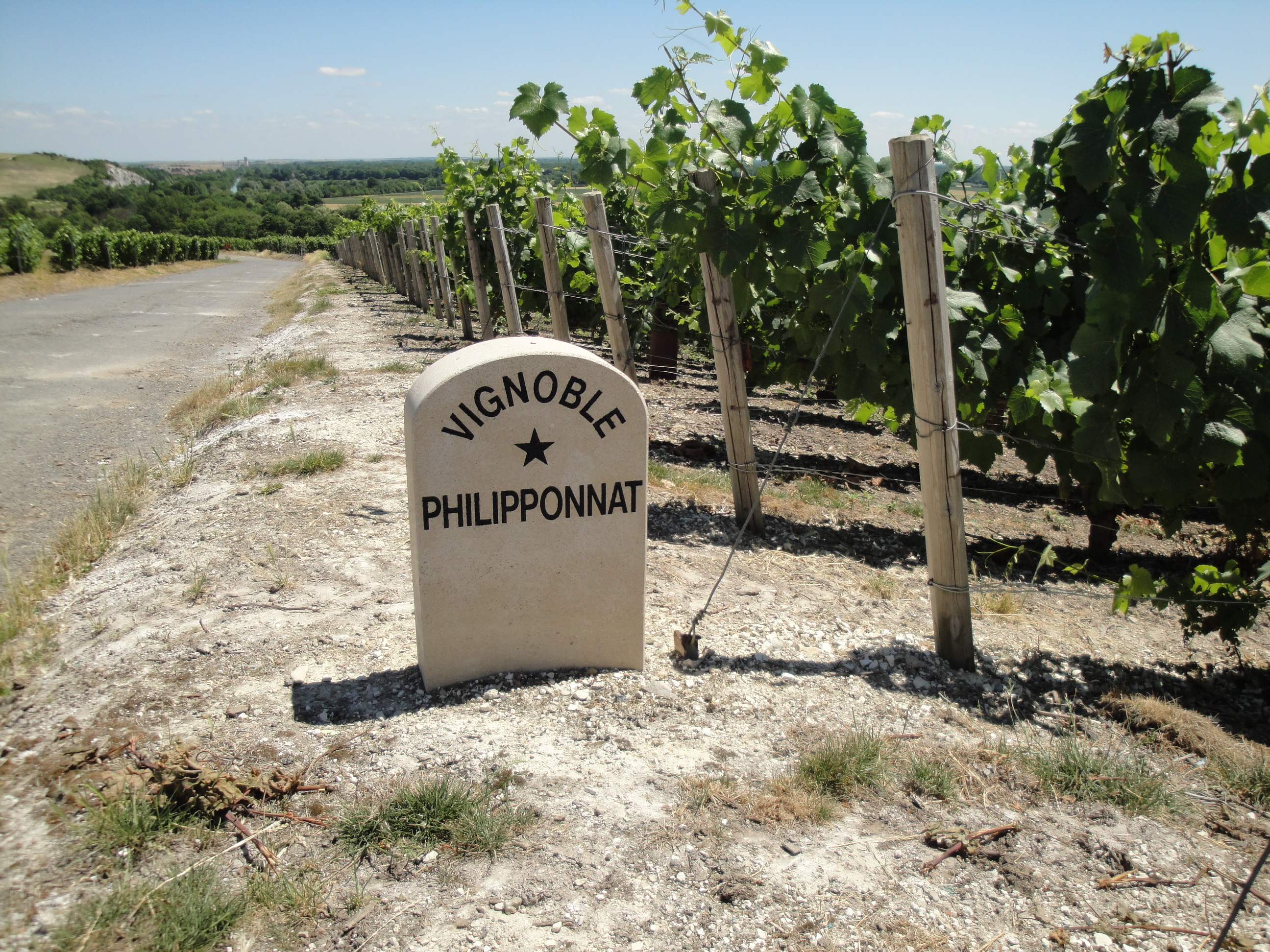
What Positioning Strategies Are Effective for Italian Wine Abroad?
Brands like Philipponnat Champagne position themselves in a high-end segment, focusing on quality, history, and prestige. Italian wineries can adopt a similar positioning, emphasizing territorial uniqueness and winemaking traditions to stand out.
Export diversification is a current trend, driven by the need to find new commercial outlets and overcome potential tariffs. Targeted strategies for mature but not saturated markets, such as Australia, can leverage the allure of Italian tradition.
What Are the Fundamental Operational and Documentary Requirements for Exporting Wine?
Exportation requires meticulous preparation. It is essential to identify importers with active licenses and verify their presence in the Horeca channel. For markets like Ukraine, it is important to ascertain the operational status of importers, especially in complex contexts.
Preparing communication materials in English, including technical data sheets and FCA/FOB price lists, is indispensable. It is advisable to have contractual or food safety content reviewed by native-speaking professionals.
Before confirming availability, it is crucial to verify the label's compliance with the specific requirements of the destination country, such as TTB requirements for the United States.
For extra-EU exports, certifications such as the certificate of origin (Chamber of Commerce), chemical-physical analysis certificates, and, rarely, phytosanitary certificates are often required. There are derogations for countries with bilateral equivalence agreements (e.g., USA, Australia), where self-certification is sufficient.
Transport under duty suspension requires the Excise Duty Accompanying Document (DAA).
Where Can One Find Business Partners and Distribution Channels for Wine Export?
International trade fairs are an established channel for meeting potential importers and distributors. In the USA, dedicated platforms for Italian wine can aggregate smaller wineries seeking a first importer.
Online research, including LinkedIn and specialized importer websites, offers excellent starting points. Trade missions organized by entities like ICE Agency or Unione Italiana Vini can facilitate pre-qualified B2B meetings.
Why Are the Relationship with the Importer and the Perception of Value So Important?
Building a long-term trust relationship with the importer is critical in the international market, given the logistical distance. The perception of Italian wine's value abroad can be influenced by speculation; a well-organized trade and the ability to convey greater value to the product are essential to improve its credit.
Citing market data, such as millions of euros of Italian wine imported into specific countries, with the due source, helps contextualize the Italian offering and demonstrate its economic relevance.

Conclusion: How Can the Lessons from Philipponnat Champagne Guide Italian Export?
Philipponnat Champagne demonstrates how quality, history, and adaptability lead to global success. Italian wineries can learn not from direct competition, but from adopting similar strategies: valuing quality and tradition, aiming for targeted positioning in the mid-to-high segment, meticulous attention to documentation and certifications, building strong relationships with partners, and strategically adapting to market specificities while maintaining product integrity.
Approaching export with clarity on these elements will help Italian wineries navigate the global market, strengthen their international presence, and build lasting value for Italian wine.
Frequently Asked Questions
What are the specific documentary requirements for exporting Italian wine outside the European Union?
For extra-EU exports, certifications such as the certificate of origin issued by the Chamber of Commerce, chemical-physical analysis certificates, and, in some cases, phytosanitary certificates are generally required. However, for countries with bilateral equivalence agreements, such as the United States and Australia, self-certification is sufficient.
How can I identify reliable business partners and effective distribution channels for Italian wine abroad?
You can find business partners by participating in international trade fairs, utilizing dedicated online platforms for Italian wine, researching specialized importer websites, and through LinkedIn. Trade missions organized by entities like ICE Agency or Unione Italiana Vini can facilitate pre-qualified B2B meetings.
What are the key strategies for effectively positioning Italian wine in the global market, considering the competition with foreign sparkling wines?
Italian wineries can adopt a high-end positioning, emphasizing territorial uniqueness, winemaking traditions, and the product's history to differentiate themselves. Export diversification and targeted strategies for mature but not saturated markets, such as Australia, can leverage the allure of Italian tradition.