Promoting Paduan Wine in International Markets: Strategies for Wineries
The province of Padua, in the heart of the Veneto region, boasts a quality wine heritage deserving of an international stage. Paduan wineries, strengthened by tradition and innovation, can expand their business into foreign markets, increasing revenue and prestige. This guide is designed to support producers through the complex yet rewarding journey of export, addressing key aspects: from understanding markets to managing documentation, and exploring global growth opportunities. Further insight: Federdoc — The National Confederation of Italian Wine Consortia for the Protection of Designations.
What are the export opportunities for Italian wine and Paduan wineries?
Italy is a global leader in wine exports, with a sector generating significant economic value and contributing to the national trade balance. Italian wine is admired for its diversity, history, and intrinsic quality, closely linked to its regions of origin. While Paduan wineries may not have world-famous appellations, they boast a diversified production that can find success in various international markets, depending on the commercial strategy.
How do you qualify a foreign buyer for wine export?
Before any negotiation, it is crucial to verify the reliability of a potential buyer. This includes confirming their business registration, checking their import license for alcoholic beverages (if required), and requesting bank or trade references. An initial credit risk analysis, potentially supported by credit check services or credit insurance, can prevent insolvency issues.
What information must be included in a proforma invoice for wine export?
The proforma invoice, though not having fiscal value, serves as the basis for commercial negotiation. It must include precise details on: product description (appellation, vintage, bottle size), minimum order quantity (MOQ), unit price and currency, and the proposed Incoterm. This document allows for negotiation of contractual terms until a satisfactory agreement is reached by both parties.
What are the essential customs and shipping documents for wine export?
Wine export requires a series of documents to ensure regulatory compliance and facilitate customs clearance. Among the most important are: the Commercial Invoice (with HS code 2204), the Packing List (detailing the contents of packages), the Certificate of Origin (to attest provenance), the Insurance Policy/Certificate (if stipulated by the Incoterm or chosen by the winery), and Transport Documents (Bill of Lading, Air Waybill, CMR). The exact list varies by country; ICE guides and Access2Markets are useful resources.
Which payment methods offer the greatest security in wine export?
For markets with high credit risk or with unestablished buyers, the Documentary Letter of Credit (DLC) offers enhanced security. It is a bank payment commitment conditional upon the presentation of documents compliant with UCP 600 rules. Documentary collection can be an alternative for moderate risk situations. Impeccable document preparation is critical for both methods.
What do foreign buyers look for when purchasing wine from Italian wineries?
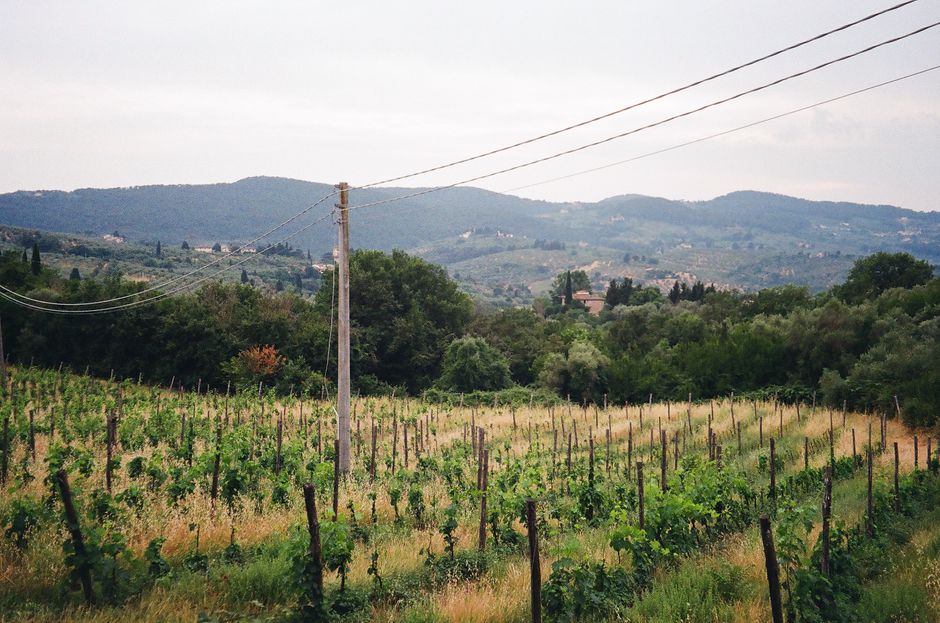
International buyers seek not only quality but also authenticity and a story of the territory. For Paduan wineries, this means highlighting the specificities of the local terroir, indigenous grape varieties or those suited to the climate, and the history of wine production. It is essential to ensure consistent quality, logistical and documentary reliability, and to demonstrate flexibility in negotiations and adaptation to market needs.
Frequently Asked Questions
What are the specific requirements for exporting wine to non-EU markets?
Exporting wine to non-EU markets often requires specific import licenses for alcoholic beverages and detailed customs documentation, which can vary significantly from country to country.
How can I verify the reliability of a potential wine importer abroad?
It is advisable to request commercial or bank references, check business registration in the destination country, and ensure they possess the necessary licenses to import alcoholic beverages.
What are the main Incoterms used in wine export and what do they imply?
Incoterms define responsibilities, costs, and risks between seller and buyer. Common terms include EXW (Ex Works), FOB (Free On Board), CIF (Cost, Insurance and Freight), and DDP (Delivered Duty Paid), each with different implications for shipment management and costs.
Wineries in the province of Padua have significant potential to establish themselves in international markets. The combination of a quality product, solid operational preparation, and a targeted marketing strategy can open doors to new growth opportunities.
If your winery is ready to explore the potential of wine export, Wines Export is the ideal partner to guide you on this journey. We offer specialized consultancy, support in document management, and access to a network of qualified international buyers.