Wines of Chieti: Export Guide to Abruzzo's Excellence
The territory of Vasto, in the province of Chieti, Abruzzo, possesses unexplored winemaking potential for export. Although not an exclusive designation, the surrounding region boasts a strong enological tradition, supported by indigenous grape varietals and a unique terroir. These elements attract international importers seeking authenticity and quality. An analysis of wine characteristics, local wineries, and export prospects, considering territorial specificities and market trends, reveals concrete opportunities for wine companies. Further insight: Federdoc — National Confederation of Italian Wine Protection Consortia.
What are the characteristics of the Vasto territory for viticulture?
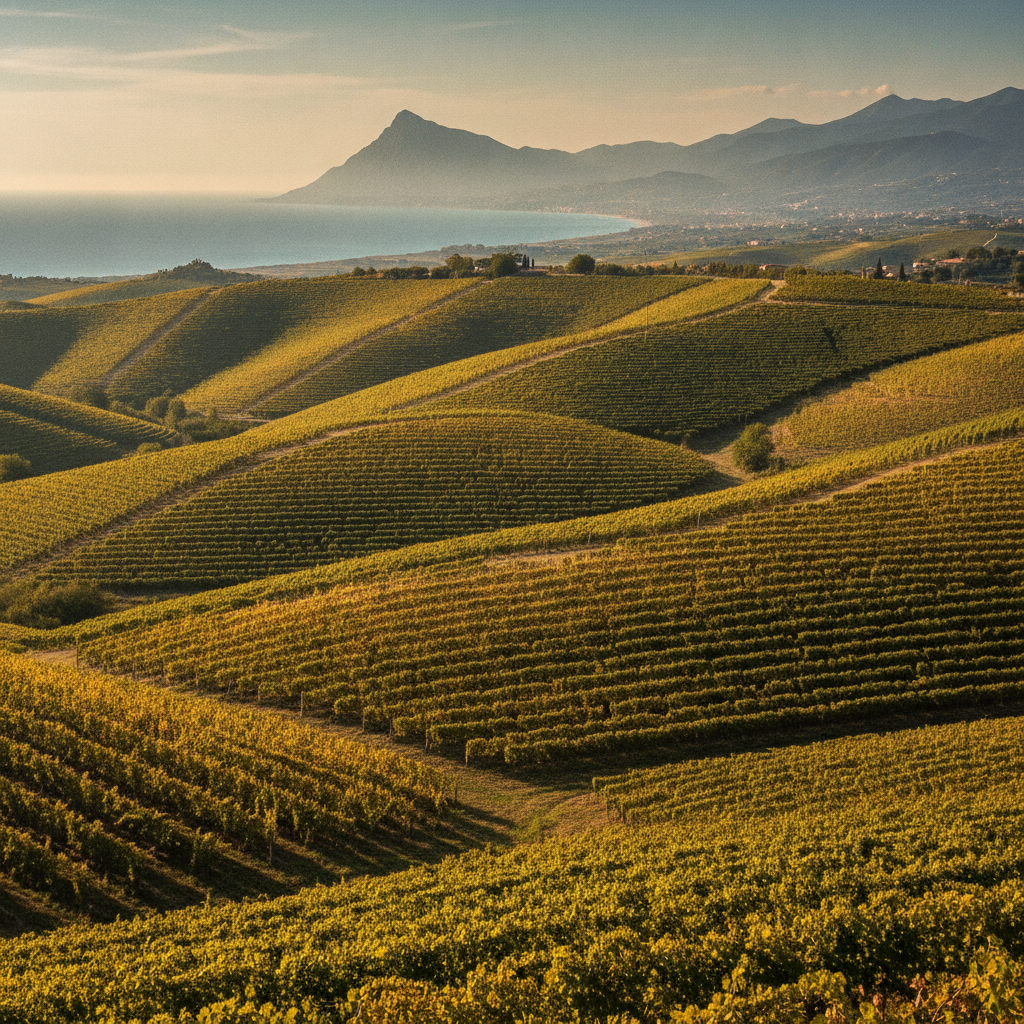
The area of Vasto, overlooking the Adriatic coast and protected by the mountainous hinterland, enjoys a microclimate favorable to viticulture. Vineyards, often situated on hills sloping towards the sea, benefit from significant diurnal temperature variation and soils that can range from sandy to clay and silty, imparting purity and elegance to the wines.
Which grape varietals are prevalent in the Vasto area, and what wines do they produce?
Montepulciano d'Abruzzo DOC is one of the most widely distributed Italian red wines globally, appreciated for its structure, fruity aromas, and excellent value for money. Organic farming, practiced by some local entities, adds further value in terms of sustainability and perceived quality by the foreign consumer.
How is wine production characterized in the wineries around Vasto?
Wineries in and around Vasto reflect a duality between tradition and innovation. The judicious use of oak and spontaneous fermentations, when seasons permit, demonstrate an approach aimed at preserving the wine's authenticity. This type of production, focused on genuine and enjoyable wines, can attract foreign markets seeking territorial expression.
What is the breakdown of wine production between social cellars and direct producers?
Approximately 35% of regional production is vinified by social cellars, while the remainder is processed directly by producers. Sales predominantly occur in 0.75-liter glass bottles, but alternative formats like bag-in-box are also used for specific purposes.
What are the export opportunities for wine from Vasto, and what challenges does the international market present?
The international wine market offers significant opportunities for Italian wineries, and the Vasto area is no exception. However, global competition is fierce, and the ability to stand out in the international market requires a targeted marketing strategy and a deep understanding of destination markets.
How does Wines Export support wineries in the Vasto area?
Wines Export actively collaborates with the region, including wineries from Vasto and its surroundings in its production pool. These companies, selected for their dedication to quality and international growth potential, represent a strength for export. Their presence in our network guarantees privileged access to authentic wines representative of the territory, supported by dedicated export services.
Frequently Asked Questions
What are the most representative wines of the Vasto area?
Montepulciano d'Abruzzo DOC is one of the most popular and appreciated wines, known for its structure and fruity aromas.
What are the most interesting destination markets for Italian wine?
The text does not specify destination markets but indicates that global competition is high and requires a targeted strategy.
What bottle formats are used for the commercialization of wines from Vasto?
Sales predominantly occur in 0.75-liter glass bottles, but alternative formats like bag-in-box are also used.
Wines from Vasto and its surrounding territory possess the intrinsic characteristics to establish themselves in international markets. The combination of a unique terroir, indigenous grape varietals, and a production approach that values authenticity, along with the presence of active wineries in the Wines Export pool, creates fertile ground for export. To maximize potential, local wineries should continue to invest in quality, explore sustainable farming practices, and build strategic partnerships with international importers. A thorough understanding of import regulations in different countries and the ability to adapt offerings to the specific demands of foreign consumers will be crucial for success.
Are you an Italian winery interested in expanding your presence in international markets? Discover how Wines Export can support your export strategy.