Taurasi DOCG: Irpinian Winemaking Excellence Ready for the Global Market
Taurasi DOCG represents the enological excellence of Campania, a red wine of great structure and longevity, often referred to as the "Barolo of the South" for its complexity and aging potential. Produced mainly with Aglianico grapes in the province of Avellino, this wine embodies the history, terroir, and export potential of one of Italy's most prestigious denominations. This article explores the unique characteristics of Taurasi, its historical roots, the production regulations, and the opportunities it offers to Italian wineries in the international market. Learn more: Federdoc — Italian National Confederation of Consortia for the Protection of Italian Wines.
What is the ideal terroir for Taurasi DOCG?
The production area of Taurasi DOCG spans 17 municipalities in the heart of Irpinia, a hilly territory characterized by a continental climate with significant temperature fluctuations between day and night. The vineyards are predominantly located between 300 and 600 meters above sea level, with some areas reaching altitudes over 700 meters. The soil composition is varied, primarily of marine origin with clayey-limestone marl alternating with volcanic veins.
Viticulture in this region boasts a long tradition, with the presence of old vines, some dating back over 150 years. The Mastroberardino family played a crucial role in preserving historical varieties in the post-war period. Modern Irpinian viticulture, focused on native varieties, gained momentum in the 1970s.
What are the distinctive characteristics of Taurasi DOCG wine?
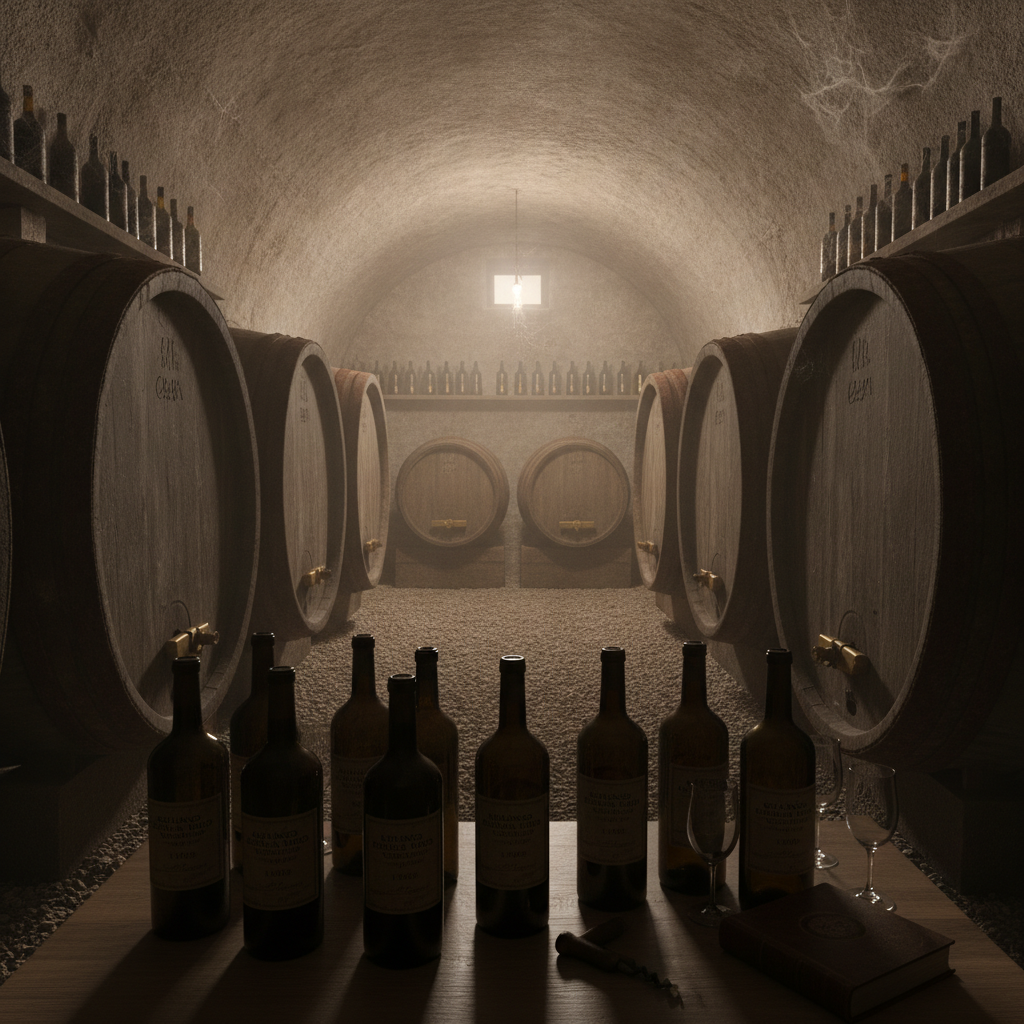
Taurasi is a wine that requires time to fully express its potential. Its structure is characterized by a remarkable tannic grain, often described as fine and velvety, and a pronounced acidity that provides drive and freshness. On the nose, the aromas are complex and layered, ranging from austere dark fruit to hints of dark spices, licorice, aromatic herbs, and undergrowth. Bottle aging develops orange reflections and further refines the bouquet, adding nuances of leather and tobacco.
The color is an intense ruby red that tends towards garnet with age. On the palate, the wine is dry, savory, balanced, appropriately tannic, and velvety. Its high alcohol content and good total acidity contribute to its longevity.
What are the production regulations for Taurasi DOCG?
The Taurasi DOCG regulations impose precise rules to ensure the quality and authenticity of the wine. It must be produced with at least 85% Aglianico grapes. The remaining grapes can be of other non-aromatic red grape varieties authorized in the province of Avellino. However, most producers opt for pure Aglianico vinification.
The minimum aging period required is three years, with at least one year in wooden barrels. For the "Riserva" designation, the requirements increase to four years of aging, with a minimum of 18 months in barrels. The production area includes 17 specific municipalities within the province of Avellino.
Aglianico, the principal grape of Taurasi, is known for its late ripening, which can extend from early October to mid-November. It is an extremely resilient variety, well-adapted to the increasingly hot and dry conditions of Southern Italy.
Who are the leading producers in Taurasi?
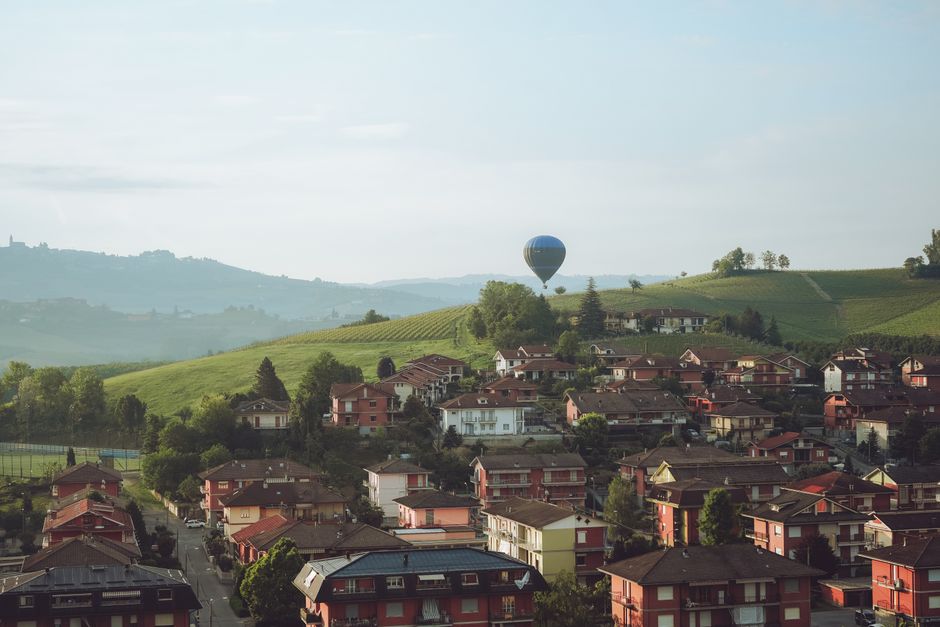
The history of Taurasi is linked to names that have shaped Italian viticulture. The Mastroberardino family is a pillar of the denomination, with their "Radici" wines embodying the tradition and aging capacity of Taurasi. Their grapes come from historic crus on volcanic soils and clayey marl.
Alongside historic names, modern realities are emerging that contribute to the territory's vitality. Wineries like Pietracupa offer elegant and approachable Taurasi. Contrade di Taurasi produces a wine that reflects the diversity of the territory. Luigi Tecce and Mollettieri are other names associated with prime vineyard sites and wines of great depth. Wines Export includes wineries from the Taurasi area in its producer pool.
What is the export potential of Taurasi DOCG?
Taurasi DOCG possesses all the characteristics to attract the interest of foreign markets seeking high-quality, complex Italian wines with a strong territorial identity. Its definition as the "Barolo of the South" immediately positions it in a prestigious category.
Markets that appreciate structured, long-lived wines with a story to tell are particularly receptive. Countries like the United States, Canada, Germany, Switzerland, and Nordic markets represent natural destinations for Taurasi. Its ability to pair with complex dishes makes it an ideal candidate for high-level international gastronomy.
Export challenges include its tannic nature and the need for an adequate aging period. However, this very aspect highlights its aging potential. Communicating the value of the terroir, the history of ancient vines, and the resilience of Aglianico can be a powerful marketing tool.
For Italian wineries, focusing on Taurasi means offering a distinctive product that stands apart from clichés, proposing a deep and authentic sensory experience. Collaboration with specialized importers and participation in international fairs dedicated to quality wines are fundamental steps to consolidating Taurasi's presence in global markets. Several wineries from the Taurasi area are represented in Wines Export's producer pool.
Are you an Italian winery interested in expanding your international presence with excellent wines like Taurasi? Discover how Wines Export can support your export strategy. Request a personalized demo.
Frequently Asked Questions
What are the main grapes used to produce Taurasi DOCG?
The Taurasi DOCG regulations require the use of at least 85% Aglianico grapes. The remaining grapes can be of other non-aromatic red grape varieties authorized in the province of Avellino, but most producers prefer pure Aglianico vinification.
How long must a Taurasi DOCG be aged before it can be marketed?
The regulations stipulate a minimum aging period of three years, with at least one year in wooden barrels. For the "Riserva" designation, the minimum aging period increases to four years, with at least 18 months in wooden barrels.
Which international markets are most receptive to Taurasi DOCG?
Markets that appreciate structured, long-lived wines with a strong territorial identity are particularly receptive. These include the United States, Canada, Germany, Switzerland, and Nordic markets, where demand for premium wines is growing.