Wine fairs in China: Shanghai, Chengdu and Guangzhou, which to choose and what to bring
Wines Export Editorial · Last updated:
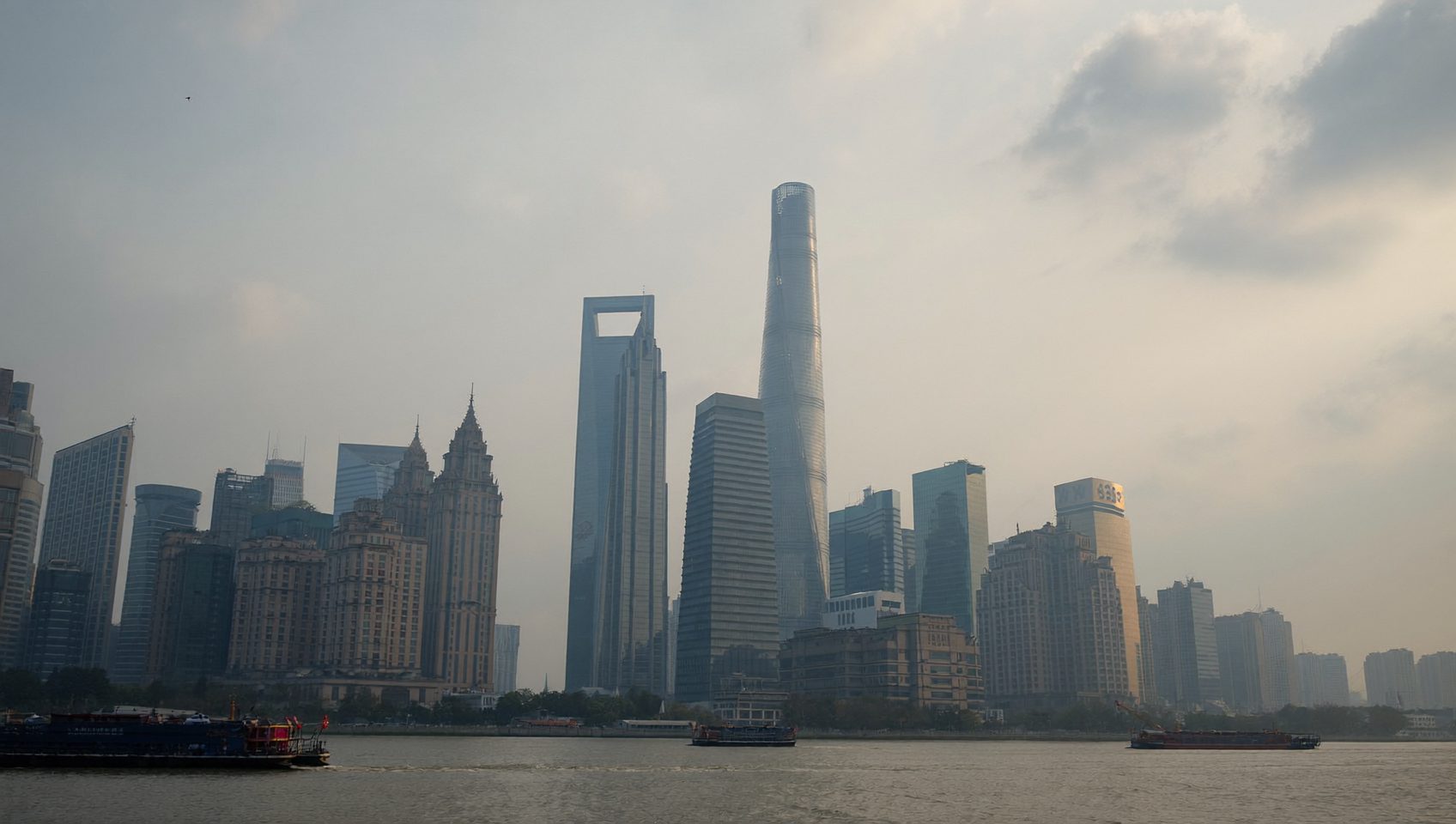
To sell wine in China, three fairs are worth considering, each held in a different city: ProWine Shanghai, the Tang Jiu Hui in Chengdu and Interwine in Guangzhou. Shanghai is mainly useful for meeting importers with national coverage, Chengdu for distributors working in the interior of the country, and Guangzhou for companies in the south. Dates change every year and should be checked on the organiser's website before you book flights and stands. Before you register, compare the ICE collective pavilion with an independent stand, and prepare your samples, because customs decides whether they arrive in time. For the general method, see our page on international wine fairs and our 90-day checklist.
The three fairs and how to read the calendar
The three events take place in different cities and at times that do not coincide with European fair calendars. Do not rely on dates remembered from the previous year: each edition is announced on the organiser's website, and the page for the current edition is the figure to use. The ICE website also lets you search initiatives by country and by sector. The search includes the China RP entry, and among the sectors, Grape Wine, so anyone searching with these two filters will find the events the agency supports for wine.
The table below summarises how to frame your choice. The right-hand columns contain no figures: they list the questions to clarify with the organiser before signing anything.
| Fair | City | Audience to target | To verify before registering |
|---|---|---|---|
| ProWine Shanghai | Shanghai | Importers with a national network | Edition dates, exhibitor area, space fee |
| Tang Jiu Hui | Chengdu | Distributors in the interior of the country | Dates, permitted exhibitor categories, language of the secretariat |
| Interwine | Guangzhou | Operators in southern China | Dates, presence of a dedicated wine section, registration procedures |
ProWine Shanghai: who attends and what they look for
Shanghai is the city where ICE has its own office, as shown on the page dedicated to the Chinese market, which also lists the offices in Beijing and Canton Hong Kong. For this reason, the city is a logical reference point for anyone seeking commercial contacts with large importers. The profile to look for here is the importer with licences and warehousing at national level, meaning a company able to bring wine into several provinces without going through a separate distributor for each one.
Arriving in Shanghai with a generic company profile is not enough. The buyer wants to know which channels you cover: import, distribution, food service, retail. Prepare a sheet for each channel, with the product, the ex-warehouse price for the importer and the availability of each vintage. If your wine requires label registration, bring the documentation already prepared, because an importer who still has to ask for it will lose weeks.
Tang Jiu Hui in Chengdu: the fair for interior distributors
Chengdu is the capital of Sichuan, a large province far from the coast. Wine sellers in that area often work with distributors who serve several provinces and who have direct relationships with restaurants and local chains. The profile to look for at the Tang Jiu Hui is therefore different from Shanghai's: the regional distributor buys in smaller quantities but with faster turnover.
Preparation for Chengdu is different too. The distributor wants to know how you support sales at the point of consumption: materials for floor staff, tastings, support for wine lists. Prepare a price proposal that takes into account the distributor's margin and the discount structure you offer. For a guide to the profile of the importer to look for, see how to choose wine importers for China.
Interwine Guangzhou and southern China
Guangzhou is the capital of Guangdong, the southern province facing Hong Kong. Southern China has a different demand for imported wine from the north, and the market is often reached through Hong Kong. The ICE page on China notes that the China RP entry also includes Hong Kong and Macao. When you compare market data, therefore, check which area the figures refer to: a number that includes Hong Kong does not describe mainland China.
Interwine is the event to put on your agenda if you want to meet operators from the south, but the wine section and registration procedures change from one edition to the next. Ask the secretariat how the areas are organised, whether there are shared spaces for small wineries, and in which language negotiations are conducted.
How to choose among the three fairs with the budget you have
The simplest criterion is the channel you want to open. If your goal is a national importer, Shanghai is the most consistent choice. If the wine will be sold by interior distributors, Chengdu makes more sense. If your partner is in the south or works through sales via Hong Kong, Guangzhou is the fair to evaluate. A winery with a limited budget should choose a single fair and organise the follow-up properly, rather than turning up in three cities without a schedule of appointments.
After the fair, the most important task is contacting the buyers you met, which should be done within a few days. For this reason, we refer you to our page on following up with importers within seven days.
ICE collective pavilion or independent stand: costs and visibility
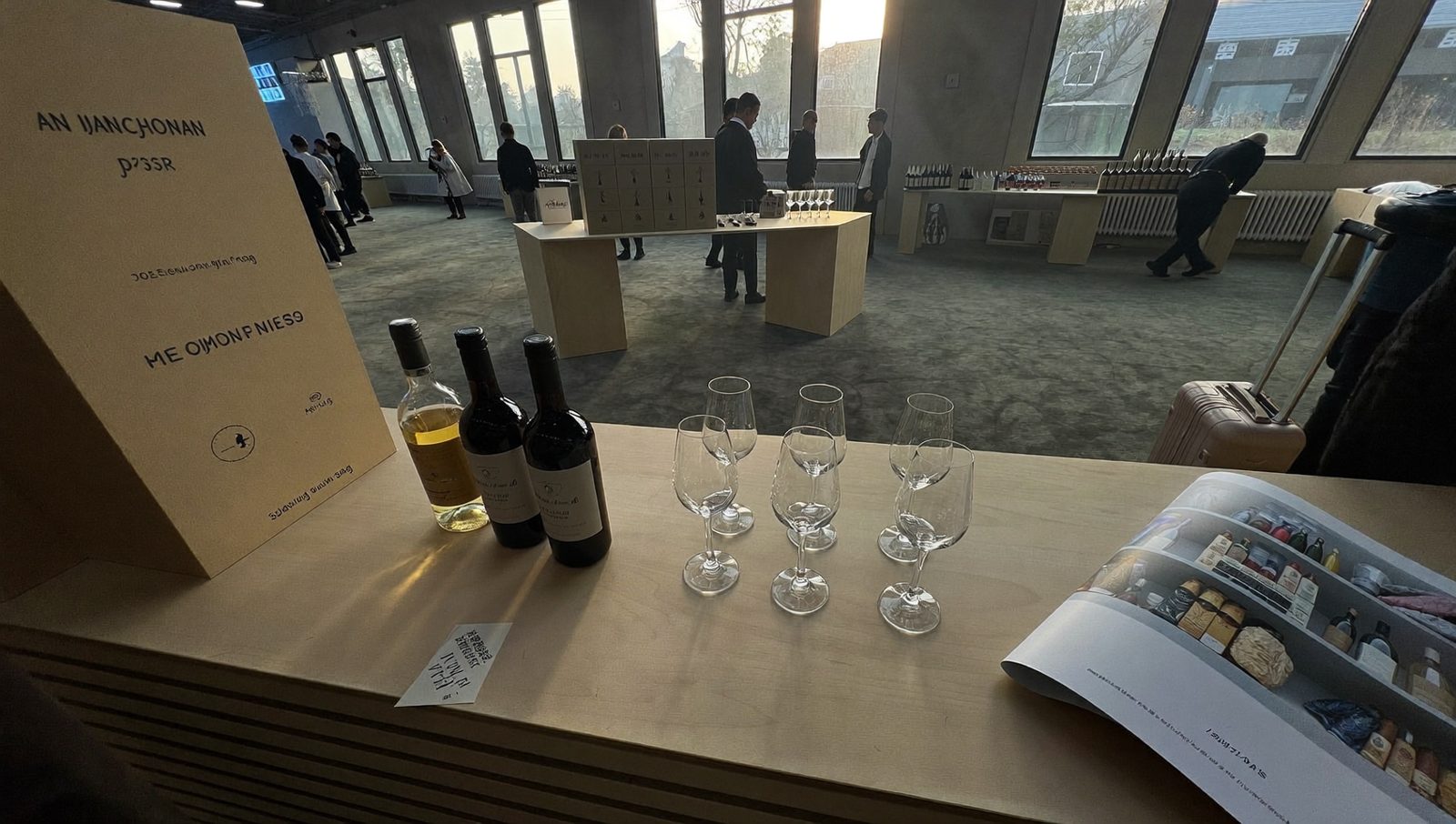
Every year ICE organises many promotional initiatives, and these include participation in fairs, with seminars, meetings between operators and market research. The collective pavilion is therefore one of the channels the agency makes available to Italian companies. An independent stand, by contrast, is a direct registration with the fair, managed by the winery or its agent.
The difference lies in who decides and who pays for what. The following table compares the main items. It contains no figures: real costs require the regulations and quotes for the individual edition.
| Item | ICE collective pavilion | Independent stand |
|---|---|---|
| Exhibition area | Included in the Italian area, to be confirmed in the edition's regulations | Chosen and purchased directly by the winery |
| Stand build | Provided by the organisation, details to be verified | Paid for by the winery |
| Visibility | Linked to the Italian group as a whole | Depends on the stand's position |
| Cost | Fee to compare with the full quote | Area fee plus stand build, travel and shipping |
The true cost of a fair does not coincide with the area fee. Ask for a written quote and compare every item: stand build, staff, travel, sample shipping, translation of materials. A lower fee can hide service costs that end up weighing more.
Samples and materials: temporary import and Chinese labels
The website of the Chinese customs authority (GACC) collects customs procedures for individuals and companies. Among the entries in the guide to general formalities is approval for goods imported or exported temporarily. This is the item to verify with your freight forwarder for samples that enter for the fair and must then return to Italy or be destroyed. Do not assume the regime applies to your samples: ask before shipping and keep the documentation ready on arrival. For details on the procedure, see the guide on wine samples through customs: how to ship them.
Labelling is the second point to clarify. For China, the content of the back label in Chinese is a topic to discuss with the importer before the fair, because whoever collects the wine wants to know what must be printed and who puts it on the market. For samples too, it is worth asking what the importer accepts, rather than printing Chinese labels without an agreement. A labelling mistake can block a consignment of wine that has already cleared customs.
Further reading: 2027 Wine Fairs: Calendar, Dates and Cities for Exporters.
Frequently asked questions
Which wine fair in China should I choose for the first time?
It depends on the channel you want to open. If you are looking for an importer with national coverage, Shanghai is the logical starting point. If the wine will be sold by interior distributors, consider Chengdu. For southern China and contacts linked to Hong Kong, Guangzhou is the option to compare.
Do the dates of wine fairs in China change every year?
Yes, editions must be checked every year on the organisers' websites. Before booking flights, stands and shipments, check the page for the current edition, because dates and regulations can change.
Can wine for a fair enter China without special procedures?
Do not assume it can. The Chinese customs authority lists a procedure for goods imported temporarily. Ask your freight forwarder which regime applies to your samples and prepare the documentation before arrival.
Is a Chinese label required to take part in a fair?
The question should be clarified with the importer before shipping. For wine intended for sale, the label must be checked with the importer, while for samples, ask what is accepted. A written agreement avoids problems at the time of collection.
How much does it cost to take part in a fair in China?
We do not have verified figures to give you. The area fee is only one part of the cost. Ask for a written quote and compare stand build, travel, staff and sample shipping with the fee.
Sources
- Wine Importers: What They Do, How They Work, Country Index
- Asia wine fairs: ProWine Singapore, Vinexpo India, Australia
- Wine markups by importer, distributor and restaurant
- Wine Agents and Brokers Abroad: How They Work and Are Paid
- Wine Paris Vinexpo: Is It Worth It for an Italian Winery?
- Vinitaly foreign buyers: how to prepare B2B meetings