Wine Paris: how to meet French, Belgian and Dutch importers before and after the fair
Wines Export Editorial · Last updated:
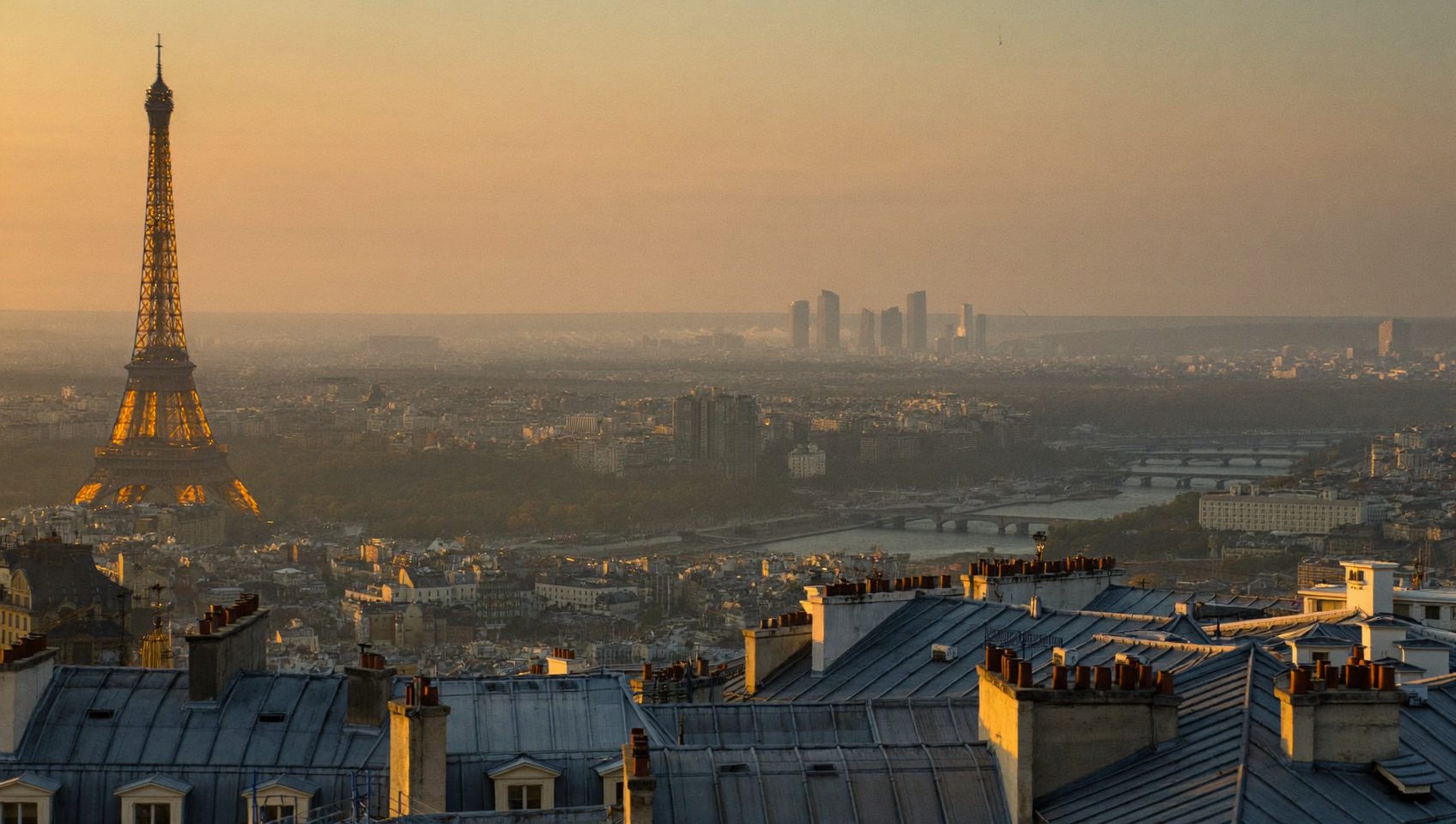
Wine Paris is the wine and spirits fair held in Paris, organised by Vinexposium, and it is a meeting point with importers, distributors and buyers from France. For the Benelux it may be useful to evaluate the Paris fair alongside ProWein in Düsseldorf, checking where the buyers of your channel are concentrated. The core of the decision is not the fair itself but the type of stand, the number of appointments you can book in advance and the quality of the contact afterwards. You can compare international wine fairs in the overview of international wine fairs and then plan the budget with the checklist for a foreign fair at 90 days.
What Wine Paris is and why it matters for France and the Benelux
The official site presents the event as Wine Paris, with the exhibitor page as the starting point for understanding who is present and in which sector. In materials and online searches the name Vinexpo Paris also often appears, as it was the historic brand of the same show. Before planning, check on the organiser's site which name is in use for the edition you are interested in, because dates and hall layouts change from one year to the next.
For an Italian exporter the value of the fair lies in concentration. In a few days you meet French importers, distributors serving the on-trade and managers of specialised wine shops, as well as some Belgian and Dutch buyers who come specifically. For the Benelux it is therefore advisable to check where the buyers of your own channel are concentrated. If your distribution already runs through Brussels or Amsterdam, read the pages on wine importers in Belgium and wine importers in the Netherlands before choosing the names to meet.
The comparison with ProWein is useful. The ProWein site states that the Düsseldorf fair takes place from 7 to 9 March 2027 and brings together producers, retailers, importers, sommeliers and decision makers from more than 140 countries. It is a very broad fair, covering wine and spirits in all categories. Wine Paris, instead, is designed above all for those targeting the French market and who already have a clear idea of the channels they want to reach.
Who attends: cavistes, on-trade, grocery retail and Belgian and Dutch importers
Not all visitors buy in the same way, and the way you present yourself changes according to the channel. The independent caviste buys in small lots, looks for winery stories and niche wines, and asks for samples before ordering. The on-trade, meaning restaurants, bars and hotels, wants prices per bottle and per glass, a wine list that can be read quickly and a supplier that delivers regularly. Organised grocery retail reasons in terms of volumes, product codes, promotions and supply continuity, and often goes through the central buyer rather than the stand.
The table summarises how to read the profiles. Ask the organiser for the visitor breakdown of previous editions and compare it with the exhibitor list, because the profile changes from year to year.
| Channel | What they look for | What to ask at the fair | How to prepare |
|---|---|---|---|
| Independent caviste | Distinctive wines, small lots, producer story | Availability in single bottles and samples | Technical sheet in French and winery photos |
| On-trade (restaurants and hotels) | Price per bottle, supply consistency | Price list by channel and delivery times | Sheets per glass and per bottle |
| Grocery retail | Volumes, codes, promotions | Production capacity and continuous range | Production data and certifications |
| Belgian or Dutch importer | A partner to bring the wine into its own channels | Exclusive or non-exclusive role, margins, label | Price list in euros ex-cellar and shipping documents |
For the Benelux the importer matters more than the individual visitor. A Belgian or Dutch importer must be able to sell your wine through the channels of its country, so it will ask you who pays the excise duty, who registers the label and who receives the invoice. Treat these points as the content of the first meeting, not as details to clarify later.
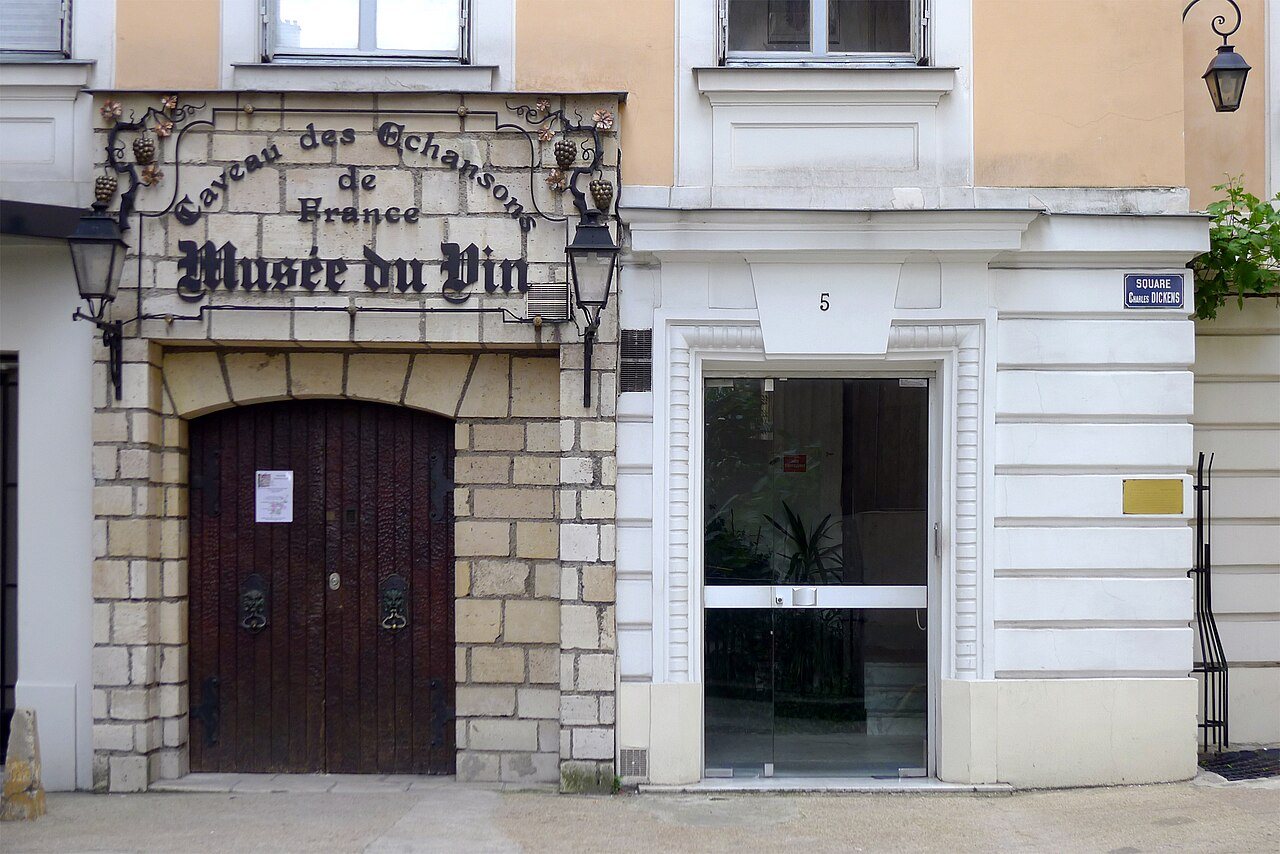
Single stand or collective pavilion: costs and how to get in
There are two main routes. A single stand is booked directly with the organiser and gives you a space with your name, your fit-out and your own staff. The collective pavilion, instead, is a space within a national or regional pavilion, organised by a body that collects the applications and deals with the organiser on their behalf. A single stand makes sense for a winery that already has a network in France and wants to meet many buyers in a dedicated space. The collective pavilion is worth considering when the winery is entering for the first time and wants shared costs and closer assistance.
The cost of the space is usually calculated on the surface area, with mandatory services and fit-out costs added on top. We have no official figures to report here, so request a detailed quote from the organiser and compare the line items rather than relying on a generic amount. For ProWein the site offers an online stand cost calculator, which is a good way to understand how the items are composed even if the fair is a different one.
For the Italian collective pavilion the reference is the ICE Agency. On the ICE France page you will find the sections dedicated to on-site fairs, the calendar of initiatives and collective participations, and at the top the open calls with application deadlines. Check that section to see whether the collective for Wine Paris is open for your edition, because applications close before the event.
A practical point: whoever runs the collective will ask for the winery profile, the surface area you need and the availability of your staff during the fair days. Prepare these details before submitting the application.
Before the fair: appointments, euro price list and samples
Much of the work happens before the trip. Choose a short list of buyers to contact, with company name, channel and the reason why your wine may interest them. If the list is long, split it by channel and prepare a different message for each group, because a caviste and a distributor do not read the same email.
Appointments are arranged by email or through the fair's platform, if the organiser provides one. Write in French to French buyers and in English or French to Belgian and Dutch ones, depending on who responds better. State the times you can be at your stand and propose two or three slots, so the buyer can choose without a long exchange of messages.
The price list should be prepared in euros and clearly: ex-cellar price, payment terms and offer validity. State whether the price includes or excludes the excise duty of the destination country, because a French or Belgian buyer will compare your price with that of a competitor who presents it differently. Also prepare a technical sheet for each wine in French, with grapes, vintage, alcohol, storage and food pairings, and product sheets in English for Benelux buyers who prefer that language.
Samples require separate planning. Calculate how many bottles you need for each appointment already booked and how many for your stand, check with the forwarder the rules for bringing them into France and ask customs which documents are required for samples with no commercial value. Do not leave this part to the last moment, because samples that arrive late waste the first impression.
During the fair: how French buyers talk and what they ask
At the fair the French buyer wants to understand within a few minutes whether your wine has a place in their range. They immediately ask for the ex-cellar price, availability in volumes and in single bottles, and whether the winery can supply regularly. They often ask who your distributor is in other countries, because they work on the idea that a product already sold elsewhere is easier to manage.
Prepare answers to these questions before you leave. A French buyer who does not find a clear answer on price or delivery times moves on to the next wine, even if yours is equally good in the glass. For this reason the price sheet and the logistics sheet must be on the table, printed in French.
For the Benelux, the questions are more closely tied to distribution. The Belgian or Dutch buyer asks who registers the label, who handles customs paperwork and whether the winery is willing to work with a single importer for the country. Answer with facts, not promises. If you do not know an answer, say you will check it and set the day on which you will send the information.
Take notes on every meeting: name, channel, what they asked, what you promised, agreed reply date. These are the details you will need in the following days.
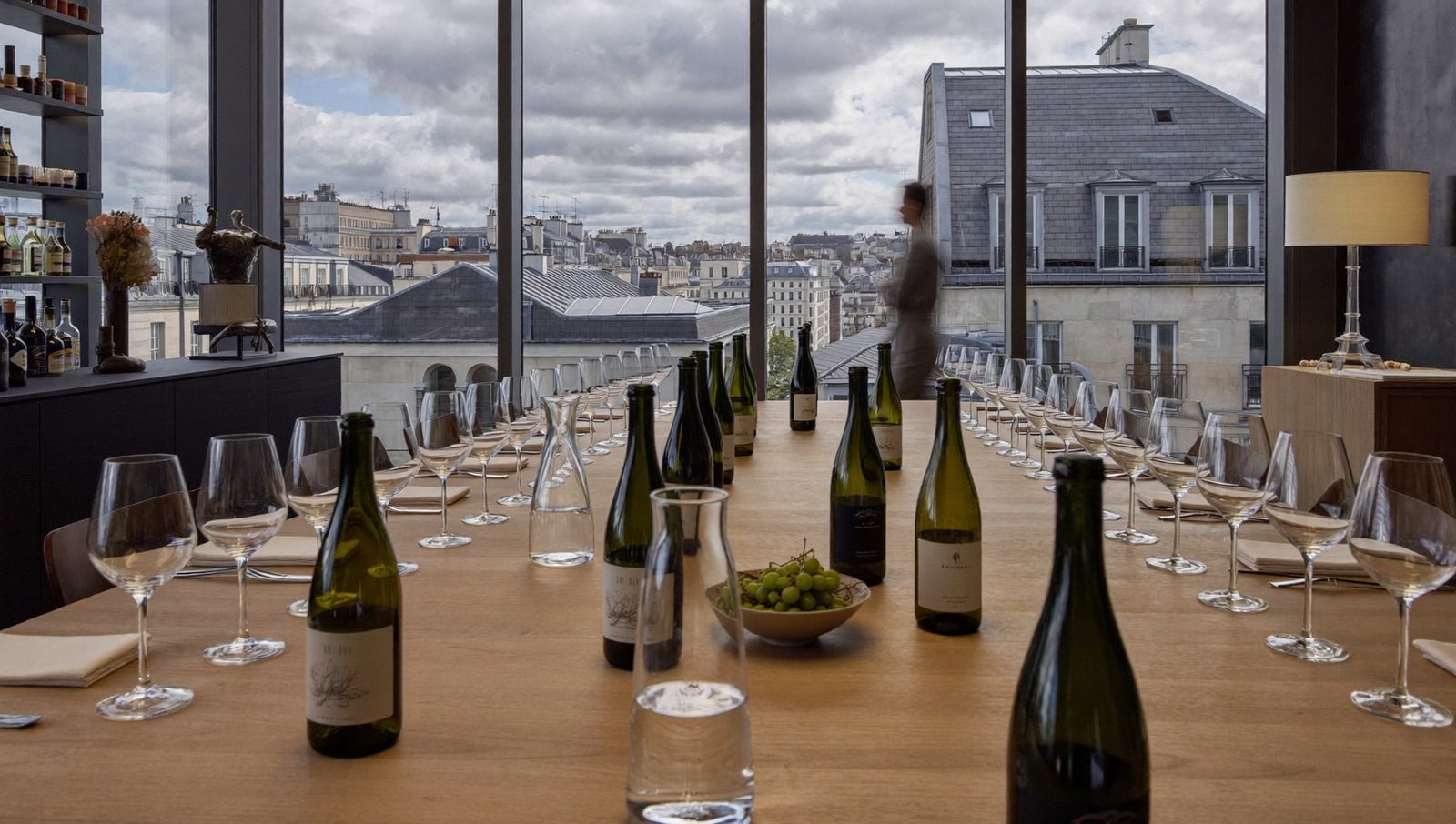
Right after the fair: follow-up in French
Follow-up is the part of the work that many wineries skip, and it decides how many contacts become customers. Send the thank-you message while you still remember the meeting clearly, with a precise reference to what you discussed. A generic message does not work, whereas one that mentions the product or the buyer's question shows that you were listening.
An example opening in French for a French buyer could be this: «Bonjour Madame, merci pour le temps que vous nous avez accordé au salon. Comme convenu, je vous joins la fiche technique du vin et notre tarif en euros, départ cave.» The second paragraph should contain the answer to the question the buyer asked at the fair, and the third the concrete proposal: samples, an in-depth call or a trial order.
For the Benelux, the follow-up should include the documents the importer needs in order to work: technical sheet, price list, label data and logistics references. If an importer has asked for clarification on excise duty, reply with the official data of the destination country and not with your own estimates.
Set a reminder for your return and organise contacts by channel, so the follow-up follows the same order as the list prepared beforehand. For the full sequence of messages after the fair, see the page on follow-up with importers after the fair.
Frequently asked questions
Are Wine Paris and Vinexpo Paris the same fair?
Both names are still in use, because Vinexpo Paris was the historic brand of the same show. Check the name of the edition scheduled, the dates and the hall layout on the organiser's site before booking. The name changes, but the question to ask the organiser stays the same.
Is Wine Paris or ProWein better for selling in France and the Benelux?
It depends on the market you have in mind. Wine Paris is more focused on France, while ProWein brings together buyers from many countries and covers wine and spirits. For the Benelux it is worth checking which of the two fairs your channel's buyers concentrate in, while Paris serves those who already have a clear idea of the French channel.
How do you get space in the Italian collective pavilion?
You apply through the body that organises the collective participation, usually indicated in the ICE Agency sections dedicated to on-site fairs. You must submit the application before the call deadline, with the winery details and the surface area requested. Space is limited, so those who apply early have more choice.
In what language should I write to a French buyer after the fair?
In French, using "vous", for a first email and for the technical sheet. A Benelux buyer may receive the same email in English if the conversation has already started in English. Always attach the price list in euros ex-cellar and the technical sheet of the wine discussed at the fair.
Sources
- Wine sales agent abroad: Germany, France, UK rules
- Wine Paris Vinexpo: Is It Worth It for an Italian Winery?
- Wine-Searcher for wine importers: from shelf price to buyer
- Wine markups by importer, distributor and restaurant
- Winemaker dinner abroad with your importer: how it works
- Wine Importers: What They Do, How They Work, Country Index