Winemaker dinner abroad: how to organise the dinner with importer and restaurant
Wines Export Editorial · Last updated:
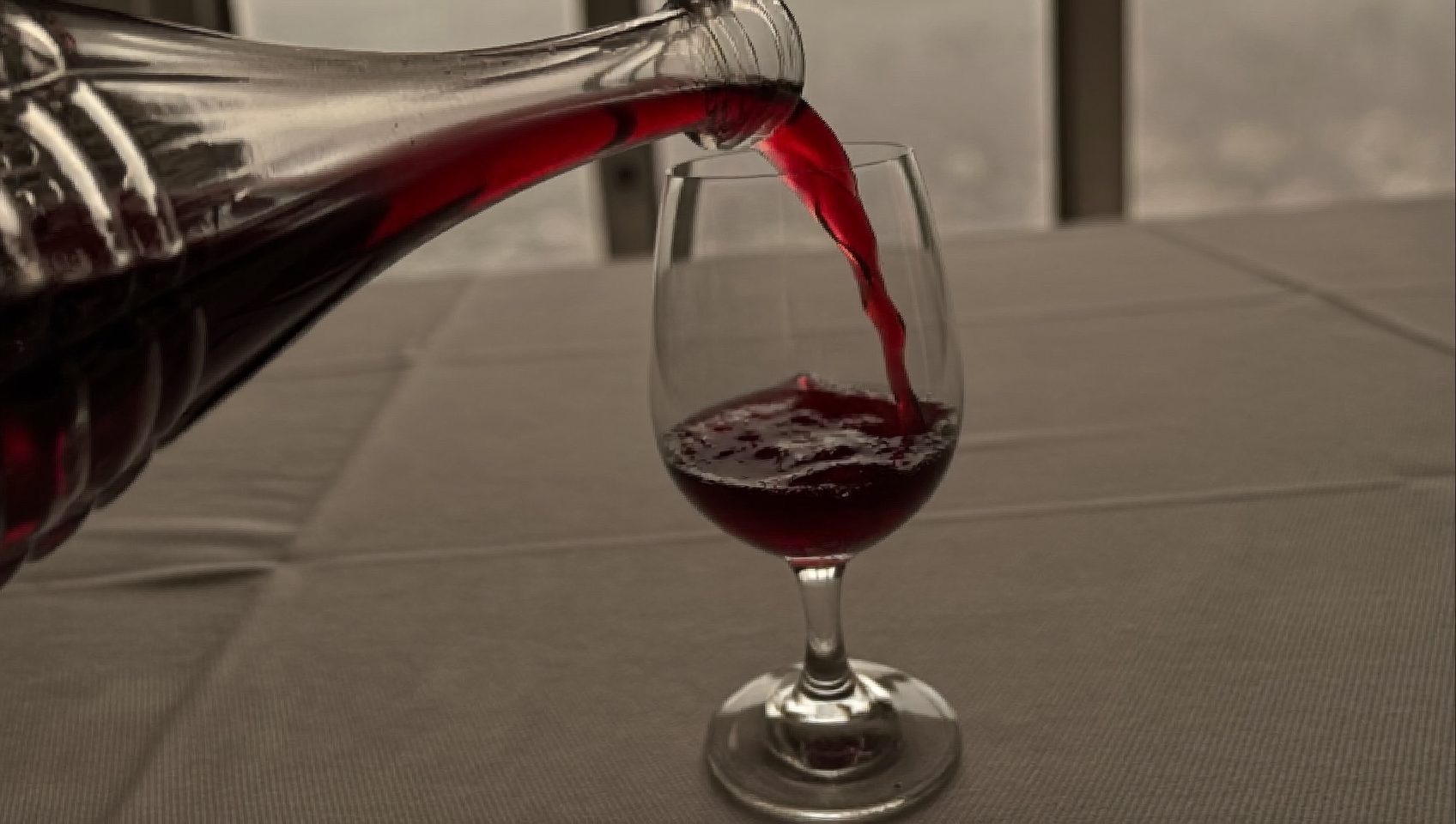
A winemaker dinner abroad, or wine dinner, is an evening in which the winery's wine is served with a menu agreed with the restaurant, and the people who made it present the bottles to the guests. In most cases it is proposed by the importer, because the restaurant is their customer and the bottles must leave their warehouse, not the winery's. For the Italian winery the dinner is an indirect sales tool: it does not close orders at the table, but it can get a wine onto the list, and the result is measured in the following months. The foreign restaurant channel has its own rules, described in Italian restaurants abroad and the wine channel.
What a winemaker dinner is and why importers ask for it
The format is simple: one restaurant, a menu of four or five courses, a selection of the winery's wines paired dish by dish, and a person who tells the story behind the labels. Importers ask for it for a precise commercial reason. A sommelier or front-of-house manager who has tasted a wine during an evening with the winemaker remembers it, proposes it to customers and defends it when the wine competes with other labels on the list.
The value of the evening depends on the quality of the pairing and on the presence of someone who knows the wine. For this reason the dinner works better with a wine the venue already lists or can add without effort, and with a winemaker who can explain choices in the vineyard and in the cellar without reading a technical sheet.
Choosing the restaurant with the importer: criteria
The choice of venue usually belongs to the importer, who knows the restaurants in their city and knows which ones accept an invitation-only event. There are four practical criteria: the type of cuisine must leave room for Italian wine without overshadowing it, the clientele must be the kind that buys wine for its own list, the room must have a manageable capacity, and the owner or chef must agree to build the menu together with the winery.
A common mistake is choosing the most famous restaurant in town. A place very popular with tourists can give visibility but rarely leads to a listing, because purchasing decisions are made with managers and sommeliers, who in that case are not the guests of the evening. A mid-sized restaurant with a broad wine list and an available owner is often the most useful candidate.
The foreign restaurant channel also requires understanding how the venue buys. A restaurant that purchases from a distributor receives the wine through its supply chain, and in several markets, such as the United States, direct sale from the winery to the restaurant is not permitted: for this reason the dinner almost always goes through the importer. Those who want to go deeper into the relationship with restaurants can read HORECA abroad: how to sell wine to restaurants.
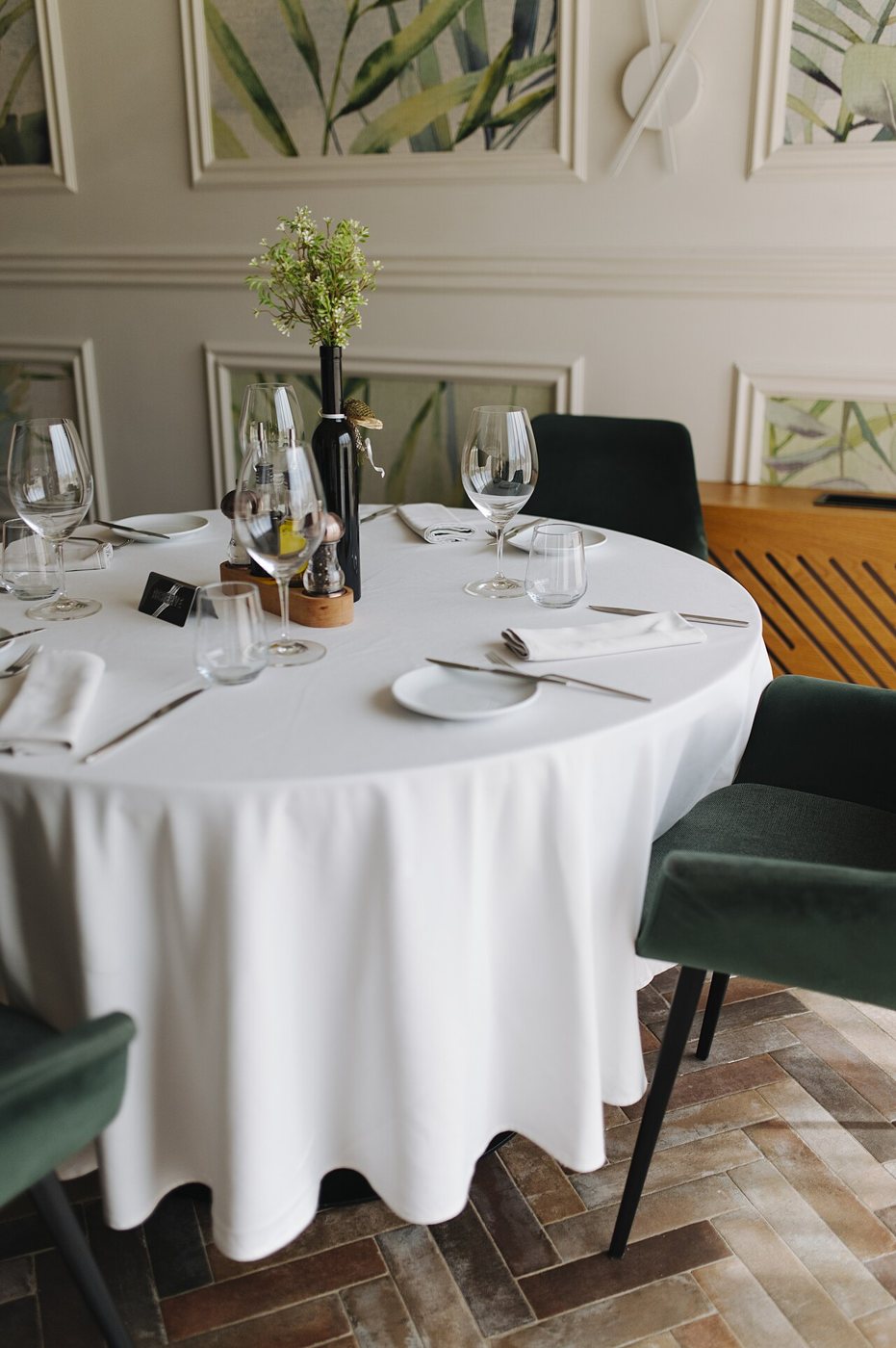
How many bottles, who pays, where they come from (importer warehouse)
The number of bottles depends on the number of guests, the menu, and whether the wine is poured by the glass or by the bottle. There is no rule valid in every market, which is why the quantity should be agreed in writing before the evening. A common mistake is bringing too much wine and having to ship it back, with shipping and customs costs nobody had budgeted.
The bottles come from the importer's warehouse, not from the winery. This is the point Italian wineries often overlook. The wine must already be cleared into the country, with the correct excise and labels, and must be recorded under the customer who sells it. If the wine enters a country as a sample for an event, the rules change: in the United States the TTB distinguishes samples imported for trade shows or to solicit orders from normal commercial shipments, and a bottle served at dinner should be checked case by case with your importer. The topic of samples and customs is covered in wine samples at customs: how to ship them.
There is no single model for splitting costs. Usually the importer covers the logistics of the wines and part of the evening, the restaurant provides the room, the staff and the menu, and the winery contributes the producer's travel and sometimes printed material. What matters is that the agreement is written and states who pays each item, because the dinners that are hardest to close are those where everyone assumes the other will cover the bill.
The menu and pairing with local cuisine
The menu should be built with the chef and not imposed by the winery. Italian wine works better when the local kitchen uses ingredients close to Italian tradition, but the real criterion is balance of flavours: a tannic wine does not hold up against a very fatty dish without tasting harsh, and an aromatic white can cover a spiced or salty dish.
It is worth preparing a card for each wine with three pieces of information: which dish it is paired with, why, and what price point it has on the list. The card serves the waiter who must describe the wine to the guests and the sommelier who must decide whether to list it. A winemaker who can explain the reason for a pairing in two sentences is remembered better than one who reads the technical sheet.
For telling the winery's story, the most useful support material is simple: a page with the company profile, the wine sheets in the local language and a sheet on the history of the territory. Those working on these tools will find ideas in the page marketing for wineries, which covers the winery's communication abroad.
Press, social media and guests: who to invite
The guest list is the most delicate part. The first group is made up of the restaurant's customers and buyers who already buy Italian wine in the area, because the evening should strengthen existing relationships. The second group is sommeliers and trade journalists, who can write about the evening and the wine. The third group is the private public, which brings attendance but requires more management work.
Local press can give visibility, but it should be involved with caution. An article about a dinner can reach readers who buy wine, so it is worth preparing a press release in the local language with the restaurant's name, the menu and the wines served, without promises on prices. The restaurant's and the importer's social channels spread the evening more effectively than the winery's channels, because it is their customers who receive the invitation.
Bodies that promote Italian wine abroad organise tasting events and B2B meetings, and taking part in these appointments can complement the dinner. ICE publishes the calendar of wine-sector events, with appointments in various cities: the page events 2024 for the wine and spirits sector shows the type of initiatives held abroad, but to choose the moment to organise the dinner it is advisable to consult the calendar for the current year.
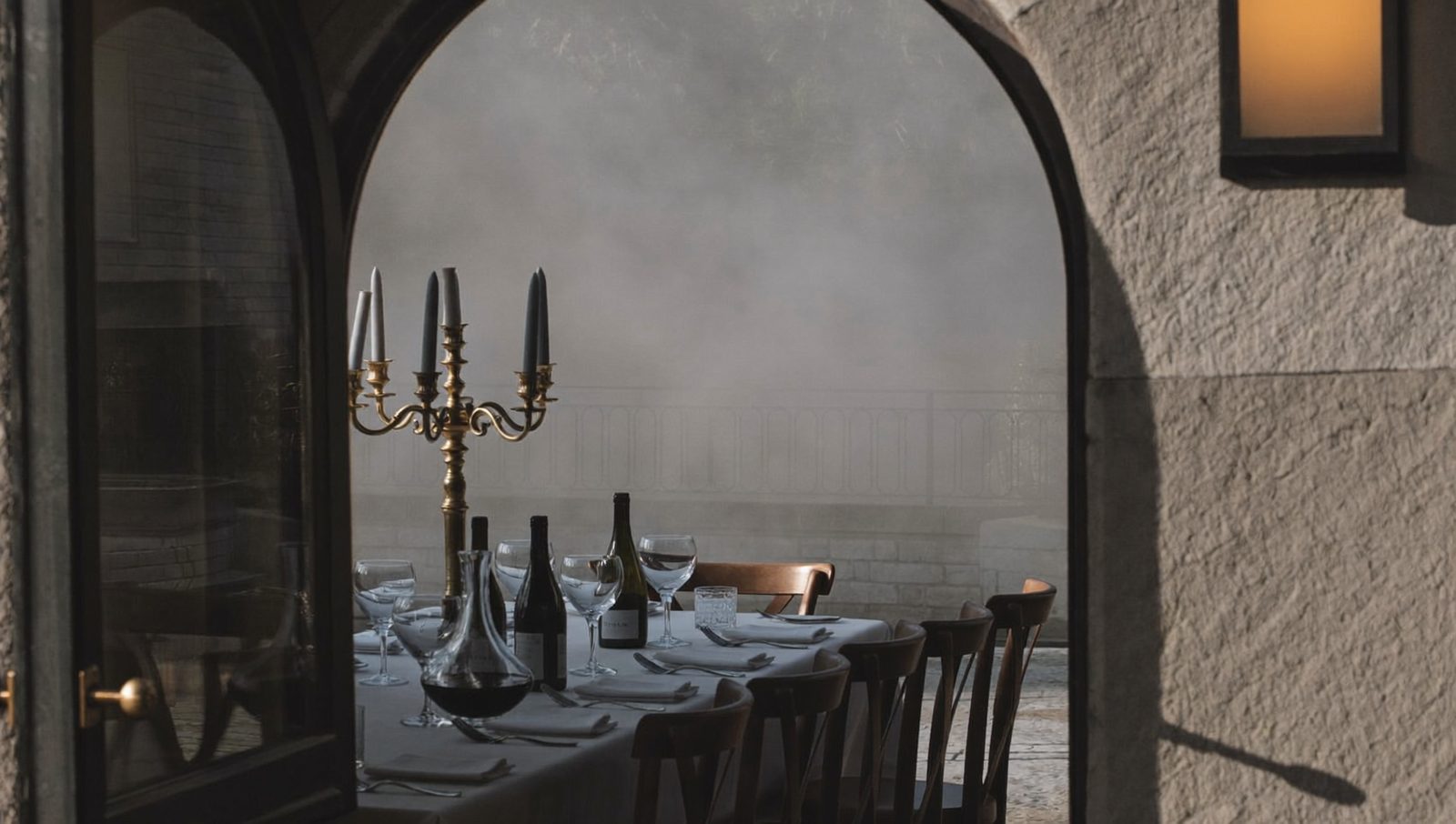
Measuring: wine list listings, reorders, new customers
The result of a dinner is not measured by the number of attendees but by what happens afterwards. There are three useful indicators: how many of the wines served that evening were added to the list in the following weeks, how many reorders arrive from the restaurant to the importer in the months after, and how many new customers in the area receive the wine thanks to the venue. The first indicator is the most direct, the second requires working with the importer to obtain the data, and the third is the slowest.
It is worth setting a concrete goal before the evening, for example one or two wines on the list within three months, and checking the result with the importer at precise deadlines. If the wine does not get listed, the most frequent cause is the selling price to the restaurant compared with competitors, which depends on the venue's margin and on distribution rules. On this topic the useful reference is restaurant markup abroad and coefficients for wine.
Those with more experience in the foreign channel know that a dinner should not be evaluated on its own. It should sit within a plan that includes tastings, materials and follow-up with buyers, otherwise it remains a pleasant memory with no commercial effect. The dinner is a step, and its value shows when the wine appears on the list and the restaurant reorders it.
Frequently asked questions
Who organises a wine dinner abroad?
Usually the importer proposes it, because the restaurant is their customer and the bottles must leave their warehouse. The winery takes part with the producer and often with presentation material. The agreement should be written before the evening, with each party's tasks.
Who pays for the winemaker dinner?
There is no single rule. Usually the importer covers the logistics of the wines, the restaurant the room and the menu, and the winery the travel and the material. What matters is a written agreement that states each cost item.
How many bottles are needed for a dinner with the producer?
The quantity depends on the number of guests, the menu and whether wine is served by the glass or by the bottle. It should be agreed with the importer before the evening, to avoid excess wine having to be shipped back.
Does a winemaker dinner really lead to new wines on the list?
It can, but the result is measured in the following weeks, by counting wines added to the list and reorders. A single dinner rarely is enough, while a series of events linked to tastings and follow-up with the venue gives more stable results.
Sources
- 2027 Wine Fairs: Calendar, Dates and Cities for Exporters
- Wine-Searcher for wine importers: from shelf price to buyer
- Bulk wine export: flexitank, prices and who buys it
- Wine sales agent abroad: Germany, France, UK rules
- Bulk Wine Export Price: Where to Check Quotes and Trends
- Wine Paris: meeting French and Benelux importers