Inzolia: Highlighting the Sicilian Grape Variety on Foreign Markets
Inzolia, an indigenous Sicilian grape variety, represents an excellent opportunity for Italian wineries targeting export markets. Also known by synonyms like Ansora and Insolia, this grape offers a distinctive organoleptic profile and a fascinating history, key elements for conquering international markets. Its versatility in winemaking, whether as a single varietal or in blends, makes it an ideal candidate to diversify offerings and attract consumers seeking Italian authenticity and typicity. Learn more: MASAF — National Register of Vine Varieties.
What are the origins and history of the Inzolia grape variety?
The origins of Inzolia are ancient and debated, with hypotheses ranging from Norman influences to Greek lineage. Recent molecular genetic analyses have confirmed a strong affinity with Greek varieties such as Roditis and Sideritis, underscoring its long presence in the Mediterranean basin.
Where is Inzolia primarily cultivated?
Inzolia is mainly found in Sicily. Sporadic cultivation also exists on the island of Giglio and in some coastal areas of Tuscany, demonstrating its adaptability to various Italian terroirs.
What are the ampelographic characteristics of Inzolia?
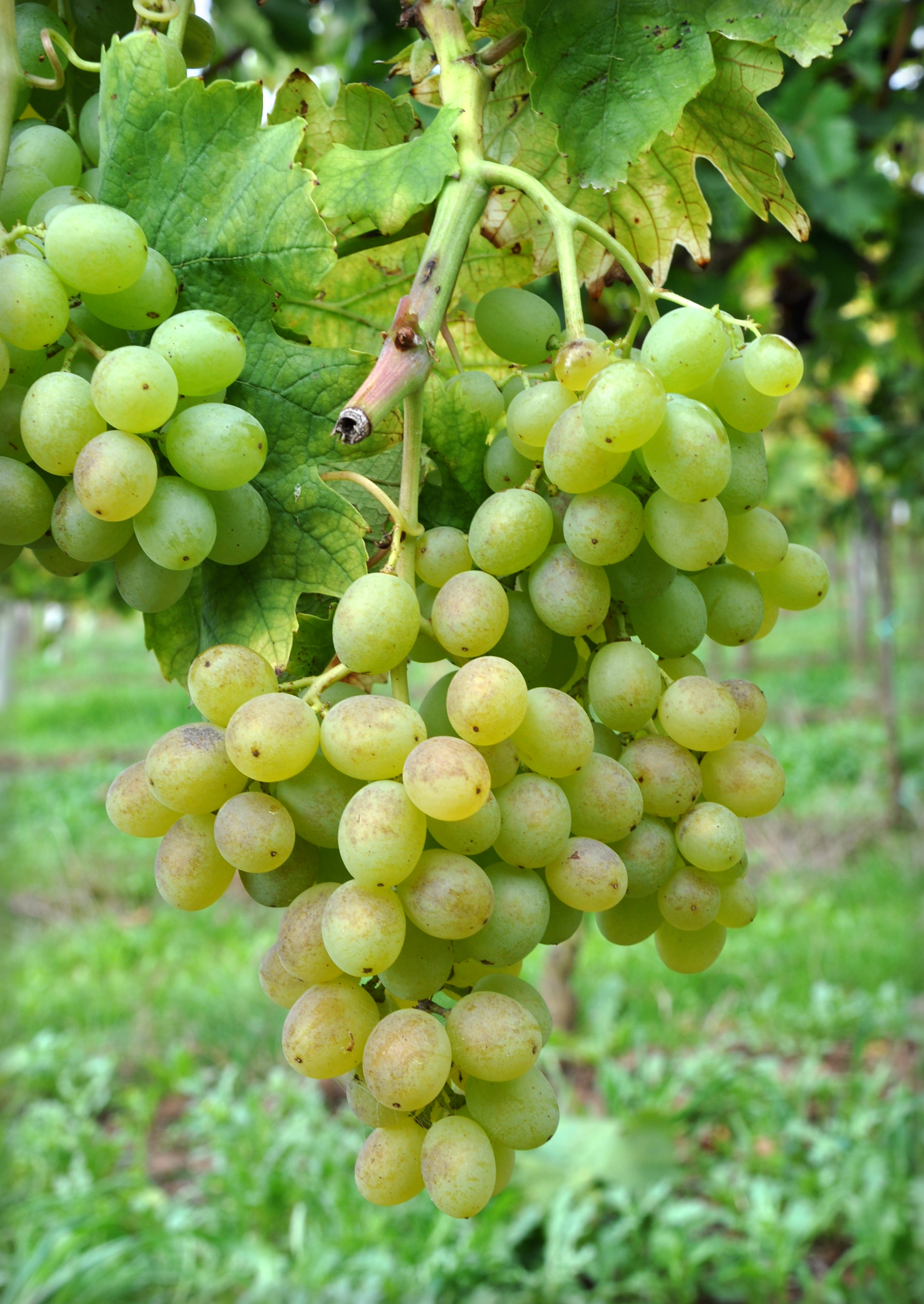
Inzolia presents an expanded bud, medium to large pentagonal or quinquelobate leaves, and medium-large, cylindrical-conical, and sparse bunches. The berries are sub-round, deep blue and shiny, with a thin and juicy pulp.
What does the Inzolia bud look like?
The Inzolia bud is extended, greenish-whitish on the internodes and grayish-reddish on the nodes, glabrous and slightly downy on the distal part. The apex is expanded or moderately expanded, with a pubescent or downy surface of a yellowish-green color.
What are the characteristics of the Inzolia leaf?
The adult Inzolia leaf is medium to large, pentagonal and quinquelobate, with open lyre-shaped petiole sinuses. The lower surface is downy and velvety, with slightly prominent and whitish veins.
What is the Inzolia inflorescence like?
The Inzolia inflorescence is quite large and variable in shape. The first inflorescence is found at the 3rd node, with 2 inflorescences per shoot. The flowers are small, hermaphrodite, and self-fertile.
Describe the Inzolia bunch and berry.
The Inzolia bunch is medium to large, cylindrical-conical, and sparse. The berries are dense, sub-round, deep blue and shiny, with a thin, opaque, and juicy pulp.
What are the environmental and cultivation requirements for Inzolia?
Inzolia prefers cool, fertile, and deep soils, preferably loose. It adapts well to humid climates, but benefits from long pruning and cordon training. Vegetative growth is vigorous, especially with irrigation.
What is Inzolia's susceptibility to diseases?
Inzolia shows medium susceptibility to downy mildew. It has good resistance to botrytis and acetic rot, making it manageable in the vineyard.
What are the enological characteristics and the wine produced from Inzolia?
Inzolia is versatile, used for dry table wines, dessert wines (from dried grapes), and in blends such as "Ambrato di Comiso" and "Eloro bianco." The wines present a straw-yellow/golden color, fine and fruity aromas, and a dry, balanced, and harmonious flavor.
How is Inzolia vinified?
Inzolia can be vinified as a single varietal to produce dry table wines that age well. Grape drying allows for the production of dessert wines. It is also used in blends for specific white wines.
What are the characteristics of Inzolia must?
Inzolia must registers average sugar values around 20.45 °Brix and an acidity of 9.5 g/l, with a pH of 3.16. These characteristics influence the final wine's profile.
What is the aromatic and taste profile of Inzolia wine?
Inzolia wine offers a fine, elegant, delicate, and persistent aroma, with fruity and aromatic notes. On the palate, it is dry, balanced, harmonious, full-bodied, and fresh, with medium body.
What are the minimum quality parameters for Inzolia wine?
The minimum total volumetric alcohol content is 11.50% vol. The minimum non-reducing extract is 17.00 g/l, ensuring good structure to the wine.
What is the export potential of the Inzolia grape variety for Italian wineries?
Inzolia offers significant export potential thanks to its authenticity, its connection to the Sicilian territory, its versatility, and its distinctive organoleptic characteristics. It is ideal for markets seeking Italian typicity.
What are the strengths of Inzolia for export?
Strengths include its authenticity linked to Sicily, its versatility (dry wines, sweet wines, blends), its appreciable organoleptic characteristics, and its fascinating history with Mediterranean roots.
Which target markets might be interested in Inzolia?
Markets such as the United States, Canada, the United Kingdom, Germany, and Nordic countries could be receptive, appreciating aromatic, fruity white wines with good acidity.
Frequently Asked Questions
Is Inzolia a grape variety suitable for hot climates?
Inzolia adapts well to humid climates and benefits from irrigation practices, suggesting good tolerance even to hotter conditions if managed properly.
What are the most common synonyms for Inzolia?
The most common synonyms for Inzolia include Ansora, Insora, Anzonica, and Insolia.
Can Inzolia be used to produce red wines?
No, Inzolia is a white grape variety and is exclusively used for vinifying white wines.
Inzolia is a grape variety with significant export potential, capable of enriching the Italian oenological offering in international markets. Its history, unique characteristics, and versatility make it an ideal ambassador for Italian winemaking heritage.