Malvasia Bianca: Discover the Grape Variety, its History, and Export Opportunities for Wineries
Malvasia Bianca represents a concrete opportunity for Italian wineries aiming to expand their presence in international markets. This grape variety, with a millennia-old history rooted in the Eastern Mediterranean and a notable presence in Italy, offers a distinctive aromatic and gustatory profile capable of attracting the interest of foreign buyers. Exploring its ampelographic characteristics, historical journey, and oenological potential is fundamental for defining effective export strategies and best valorizing this wine heritage. Further information: MASAF — National Register of Vine Varieties.
Where does the name Malvasia come from, and what is its history?
The name "Malvasia" derives from the Greek city of Monembasia, an important trading port in the Peloponnese. While the origin of the name is clear, the history of individual Malvasia varieties is more nuanced, with several grape varieties sharing this name. It is believed that the Venetians contributed to its diffusion throughout the Mediterranean.
Malvasia Bianca, in particular, has historical traces dating back to the 1300s in Istria, later spreading to the Carso and Friuli regions. Testimonies from 1368 mention "Ribolla" and "Malvasia" wines gifted during the visit of the Duke of Bavaria, confirming its antiquity and prestige in Friuli.
What are the ampelographic characteristics of Malvasia Bianca?
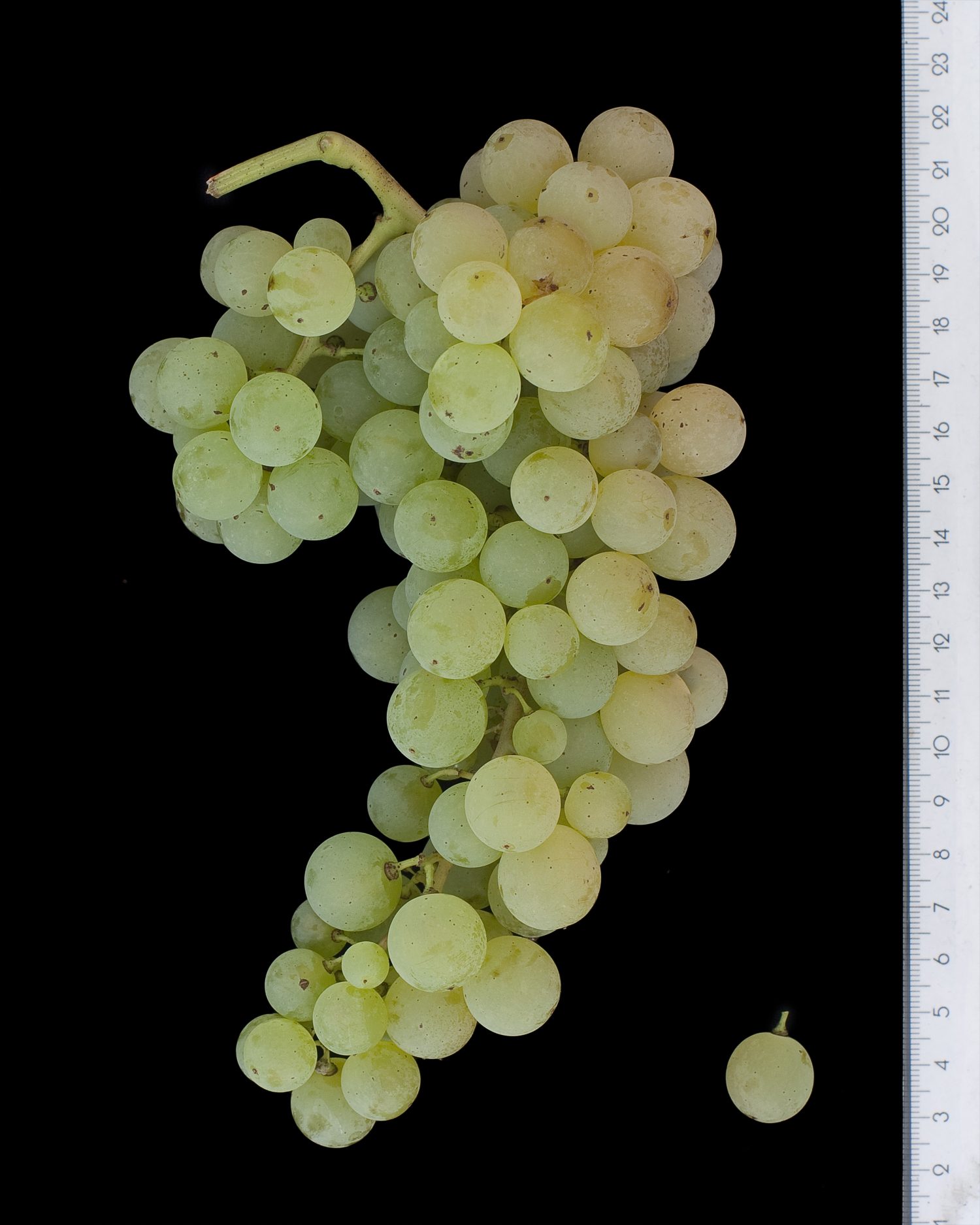
The apex of the shoot is open or medium-expanded, with weak hairs. The adult leaf is medium to large, pentagonal and penta-lobed, with open and deep sinuses. The bunch is small to medium in size, pyramidal or cylindrical, with varying compactness. The berry is medium-sized, rounded, with a green-yellowish skin and reddish hues when exposed to the sun.
What type of wine does Malvasia Bianca produce?
The must has a pH around 3.35 and total soluble solids (TSS) up to 21.2 °Brix, with a total acidity (TA) of 0.6%. The resulting wine is typically straw yellow, with greenish reflections. On the nose, it offers fruity, floral, and spicy notes. On the palate, it is characteristic, harmonious, with balanced acidity and salinity, a light structure, and a potential bitter note.
How is Malvasia Bianca used in winemaking?
Malvasia Bianca is versatile and lends itself to the production of both sparkling and still wines. Its ability to produce rare and famous wines, particularly suited for desserts, further highlights its potential. Studies in Brazil have shown its potential for aromatic white wines.
What are foreign buyers looking for in Malvasia Bianca?
Foreign buyers are attracted by the uniqueness and diversity of Malvasia Bianca, which distinguishes it from more common international grape varieties. They appreciate its millennia-old history, linked to ancient trade routes, and its connection to the Italian territory. They seek high-quality wines that offer good value for money and a strong territorial expression.

What are the export opportunities for Italian wineries with Malvasia Bianca?
Italian wineries have an excellent opportunity for expansion in foreign markets by valorizing territorial identity, communicating the grape variety's history, and offering different wine types. Ensuring consistent quality and targeting the right markets are fundamental steps for success.
Frequently Asked Questions
Is Malvasia Bianca an indigenous Italian grape variety?
Yes, Malvasia Bianca is a grape variety widespread in many Italian regions, with a history rooted in the Eastern Mediterranean and a strong presence in areas such as Friuli-Venezia Giulia and Istria.
What are the main aromatic characteristics of Malvasia Bianca?
Malvasia Bianca releases an aroma on the nose reminiscent of fruity, floral, and slightly spicy notes, making it distinctive and appreciated in international markets.
Is Malvasia Bianca suitable for producing sweet wines?
Yes, Malvasia Bianca has the capacity to produce rare and famous wines, particularly suited for desserts, thanks to its characteristics that allow for various enological interpretations.
Italian wineries cultivating Malvasia Bianca have an excellent opportunity for expansion in foreign markets. To maximize this potential, it is fundamental to valorize territorial identity, communicate the grape variety's fascinating history, and offer different wine types. Ensuring consistent quality and targeting the right markets are fundamental steps for success. Malvasia Bianca is an ambassador of Italian enological heritage, capable of conquering palates worldwide.