Wine Distributors in China: Importer, Distributor and Wholesaler, and Why Shanghai Is Not Enough
Wines Export Editorial · Last updated:
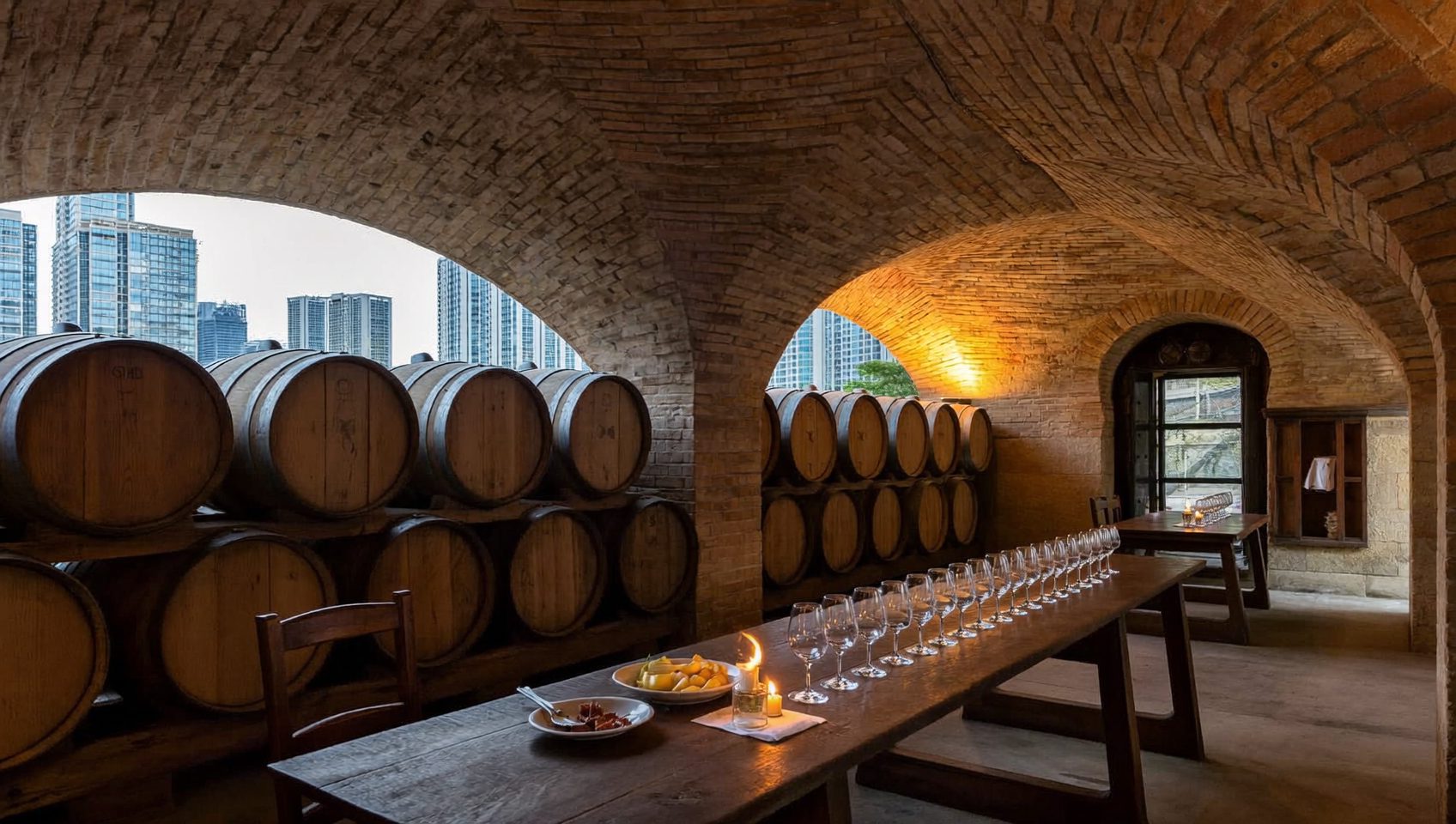
The wine distributor in China is not a single role: the physical chain runs from the importer who declares the goods at customs to the wholesaler who supplies venues across a province. Each link accepts a different type of contact and works a different territory, so the first question to ask is which link your counterpart occupies. Shanghai is often the first name that comes to mind, but on its own it does not cover the country. To understand how the importer fits into the rest of the chain, read wine importers in China: how to choose them.
How much Italian wine enters China and where to verify it
This article does not report import figures by customs heading or by country of origin, because it has not read them here. The official series can be consulted in two places: the interactive tables of the Chinese customs authority and the OIV statistical database. The GACC website publishes sections dedicated to China Customs Statistics, with entries such as "Coverage of Major Imports & Exports" and "Interactive Tables". The OIV collects data on production, consumption and international wine trade, and its annual report on the state of the sector covers international trade for the previous year.
Before reading any statistic, check the geographic scope. ICE labels China as "Cina RP (include Hong Kong e Macao)": a figure reported as China may therefore include Hong Kong, which for wine is often a transit and re-export hub. The OIV published a 2025 analysis on the role of re-export hubs in global wine trade, which is worth reading before trusting a single total.
| Source | What it contains | How distributors can use it |
|---|---|---|
| GACC tables (Chinese customs) | Customs statistics by heading and by country | Verify the wine heading and country of origin before estimating volume |
| OIV database | Wine production, consumption and trade by country | Compare the Chinese market with other Asian importers |
| ICE scope "Cina RP" | Includes Hong Kong and Macao | Establish whether a figure also includes Hong Kong |
Importer, distributor, wholesaler: who does what
The importer is the party that appears at customs as the consignee of the goods and pays the import duties. The GACC website lists, among its procedures for businesses, the registration of customs brokers, meaning operators who file declarations on behalf of others: this is a distinct role, and it does not always coincide with whoever sells the wine to the restaurant. For this reason the difference between importer and distributor should be clarified in the contract before shipping the first pallet. Importer and distributor: the operational difference explains how to separate the two roles in negotiations.
The distributor buys from the importer, manages the distribution warehouse and serves channel customers: restaurants, hotels, chains and specialist retailers. The wholesaler, in our usage, is the link that supplies smaller channels and territories far from the big cities, often with fragmented orders. The table compares the links.
| Link | What it does | Most realistic type of contact | What to verify first |
|---|---|---|---|
| Importer with customs declaration | Receives the goods, declares them, pays import duties | Written proposal with shipping documents and importer price list | Ability to clear customs and hold stock |
| National or provincial distributor | Buys from the importer, covers on-trade and off-trade | Portfolio presentation, samples, promotional plan | Territory covered and customers already served |
| Second-tier wholesaler | Supplies venues and retailers outside the big cities | Price list at reduced volumes and payment terms | Payment reliability and delivery times |
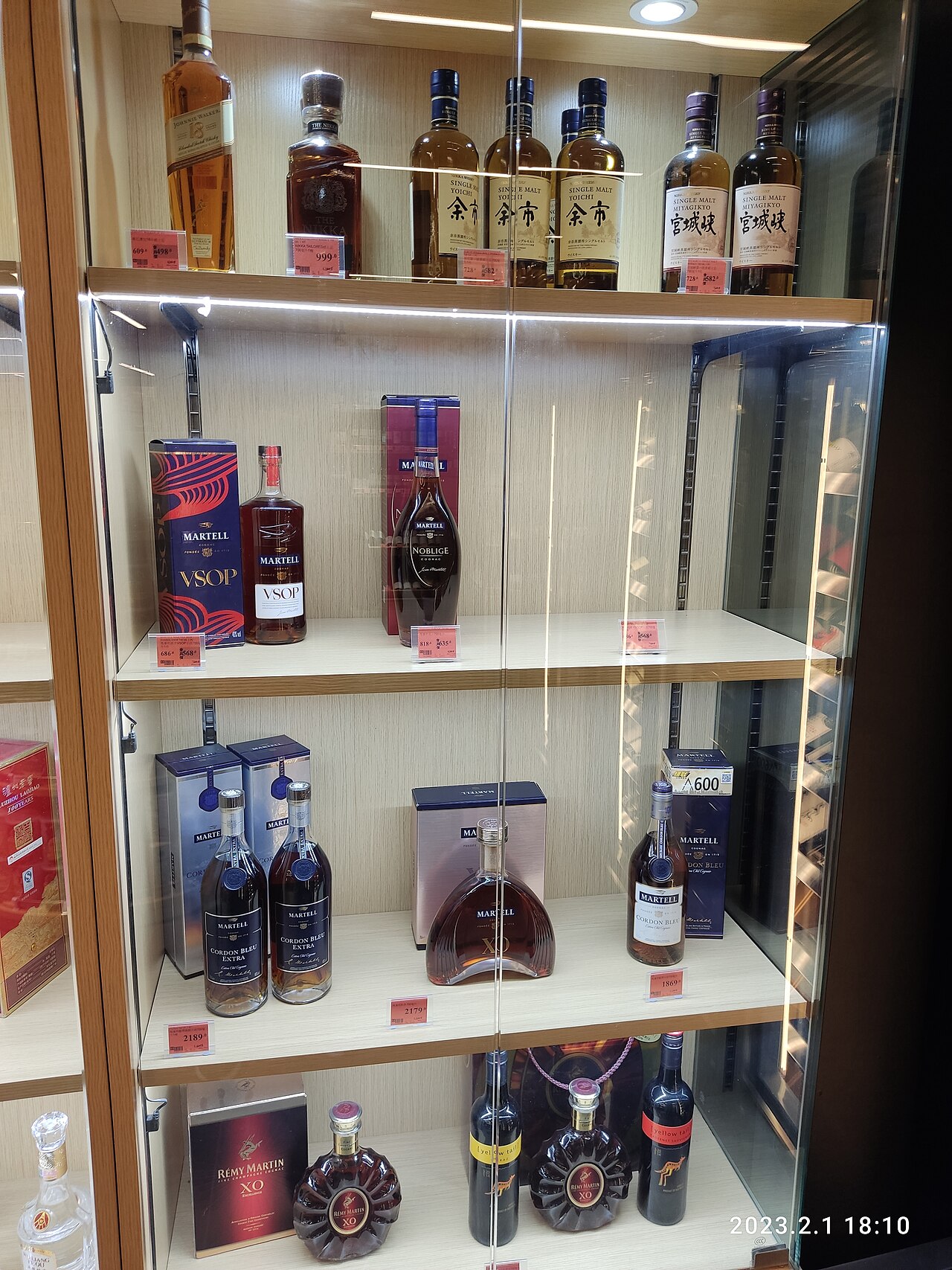
Shanghai, Beijing, Shenzhen, Guangzhou: the four tier 1 markets
The "tier 1" and "tier 2" distinction is a trade convention, not an official classification of China: we use it as an operational criterion for deciding where to concentrate first contacts. The four tier 1 cities host more importers, more high-end restaurants and more digital channels, and therefore more competition among Italian suppliers. For this reason too, shelf price varies widely between a venue in Shanghai and a sale in the interior, so it is worth running the numbers with the shelf price of wine in China: duty, VAT and consumption tax before proposing a price list.
For first contact in the tier 1 cities, ICE has offices in Beijing, Shanghai and Canton, as well as in Hong Kong; the ICE website also lists desks dedicated to intellectual property protection and trade barriers. These are public, free contacts from which to start understanding the market, not commercial intermediaries. In the four cities, trade fairs are also where an importer agrees to see a new product: the EU SME Centre published a guide to trade fairs in China in October 2025, which is worth reading before booking a stand or a visit.
Shenzhen and Guangzhou also matter for customs. The GACC website publishes news for individual customs districts, from Shanghai to Ningbo, Qingdao and Dalian, and among its news items is Guangzhou customs' support for building a cross-border online trade centre. Anyone shipping wine must therefore know the customs district of the arrival port, not only the city of delivery.
Chengdu, Hangzhou, Wuhan: the tier 2 cities where consumption is growing
Tier 2 cities offer less competition among importers and often a regional distributor covering several provinces. The advantage is a counterpart more willing to negotiate a territorial exclusivity; the drawback is that controlling payments and stock becomes harder to exercise from a distance. The criterion for deciding whether a tier 2 city justifies the first investment is the presence of a distributor able to demonstrate customers already served in the same area, not city size alone.
In these markets the wholesaler carries more weight than in tier 1 cities, because it supplies the venues that the national distributor does not reach. It is therefore worth asking the importer which wholesalers it relies on and in which provinces, and having the territory served written into the contract. The route to inland cities, from port choice to delivery, runs through the same customs procedures; how to export wine to China in seven steps puts them in order.
National or regional exclusivity: how distributors ask for it
A distributor asking for exclusivity is asking not to find competitors from the same producer in the same territory. Before granting it, define in writing the territory, the channel (on-trade, off-trade, e-commerce), the duration and the conditions under which the exclusivity lapses. A national exclusivity weighs more than a regional one, because it also blocks cities where the importer does not yet have a network.
The EU SME Centre guidelines also include material on reducing fraud risk, such as the guide "Simple Steps to Minimise Risks of Scams", published in January 2026. In the case of an exclusivity, verifying the partner is a step to complete before signing, with company registration records, verifiable references and the payment history with other suppliers. The topic is covered in detail in the article on Italian wine channels in China, from importers to e-commerce.
How to contact each link
For the importer, the most frequent first contact is a written proposal, accompanied by a technical sheet and price list. For the distributor, an in-person presentation or a trade fair meeting is the more advisable route, with samples and a sales support plan. For the wholesaler, the most practical channel is direct messaging, often on WeChat, with a simple price list and a clear minimum quantity. An agent, where one is involved, should be named in writing with the territory and the term of the mandate.
Trade fairs remain the channel where the most importers and distributors meet in the same place. The EU SME Centre guide to trade fairs in China, published on 11 October 2025, is the starting point for comparing dates and participation costs. The work on first contact, however, must be prepared upstream, with documentation in Chinese and a contact who speaks the distributor's language.
Frequently asked questions
Who is the wine distributor in China?
It depends on the role they play in the chain. The importer declares the goods at customs, the distributor buys and manages the sales channels, the wholesaler supplies smaller venues and distant provinces. In negotiations, it is worth asking your counterpart in writing which role they hold.
Does a Shanghai distributor cover all of China?
No. A distributor based in the tier 1 cities may have customers in other provinces, but often has no network of its own outside those cities. Check the territory served and the wholesalers it relies on.
Does Hong Kong count as China in statistics?
It depends on the source. ICE uses the heading "Cina RP", which includes Hong Kong and Macao. Before comparing two figures, check whether the scope is the same.
Where can I find customs data on wine in China?
In the statistics published by the Chinese customs authority, which offer interactive tables by heading and country. For the global picture of wine trade, the OIV database is used, which declares free and unrestricted access.
Sources
- Australian Wine Distributors: Vetting and Contract Rules
- Wine Agents and Private Import in Canada: Ontario, Québec
- Wine Distributors in Brazil: Choosing and Contracting
- Canada Restaurants: How Italian Wine Reaches HoReCa
- Wine Distributors Ecuador: Find Your Ideal Partner
- Wine Importers and Buyers in Hungary: Channels and Rules