Italian Wine: A Fusion of Art, Culture, and Success in Foreign Markets
Wines Export Editorial · Last updated:
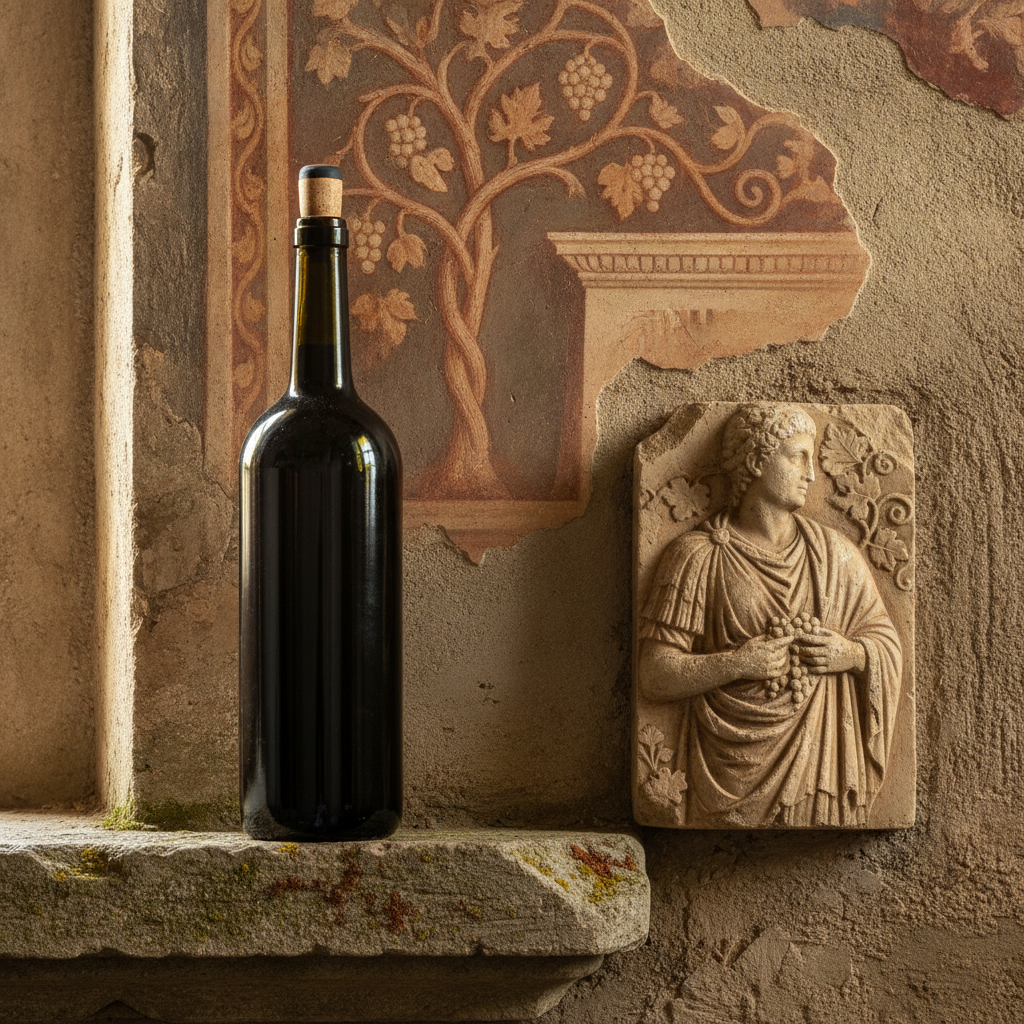
Italy, a cradle of art and home to a millennia-old winemaking tradition, offers wineries an invaluable heritage for conquering international markets. Wine export increasingly relies on storytelling, emotion, and the connection to territory and history. The intertwining of "art and wine" thus becomes a fundamental strategic lever for differentiation and value creation, going beyond organoleptic characteristics and production capacity.
How Do Art and Culture Enhance Wine Export?
Italian wine embodies a cultural legacy rooted in antiquity, intertwined with history, art, literature, and local traditions. Each bottle tells a story of terroir, indigenous grape varieties, truyền thống winemaking techniques, and landscapes shaped by man and art. This narrative richness is a distinctive element appreciated by foreign markets, which are increasingly seeking authenticity and depth.
Historical guides already highlighted the importance of geography and natural context for vineyards. Today, art, understood both as artistic expression related to wine (labels, packaging, promotions) and as an expression of the territory's culture, is a key factor for commercial success.
Why Are Storytelling and Identity Crucial for Italian Wineries?
Building a solid narrative around one's brand is crucial for wineries venturing into international markets. This means communicating values, corporate philosophy, connection to the territory, and history, making that wine unique. Art is a powerful vehicle for communication in this regard.
- Artistic Labels: Collaborations with contemporary artists transform each bottle into a collectible work of art, attracting attention and elevating the perception of the wine's value.
- Creative Packaging: Packaging design, from boxes to capsules, can reflect artistic and cultural elements, creating a memorable unboxing experience.
- Visual Storytelling: The use of photographs and videos that evoke landscapes, traditions, and moments of life connected to the vineyard and winery creates an emotional bond with the consumer.
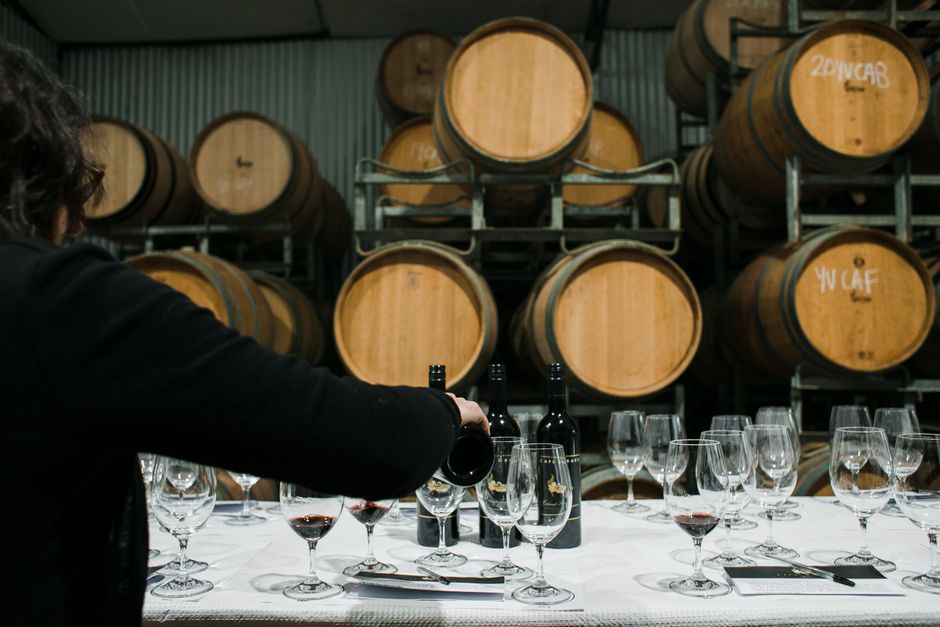
- Cultural Events and Tastings: Organizing events that combine wine tastings with art exhibitions, concerts, or literary presentations creates an immersive experience and strengthens the brand's image as an ambassador of Italian culture.
Italy offers diverse wines, from light whites to fortified wines, all sought after in foreign trade. However, historical critiques of wine acidity underscore the importance of knowing how to "package" the product for foreign markets. Artistic and cultural storytelling can help focus attention on added value, mitigating negative perceptions.
What Do International Buyers Look For in Italian Wine?
International buyers, whether importers, distributors, or Horeca professionals, are increasingly sophisticated and seek products that offer value beyond price. Authenticity, history, and cultural connection have become decisive factors in wine selection.
- Origin and Terroir: Foreign markets appreciate the specificity of Italian territories, appellations of origin, and indigenous grape varieties. Communicating the inseparable link between the wine and its place of origin, enriched by an artistic or historical context, is a strong point.
- Tradition and Innovation: Wineries that skillfully combine winemaking tradition with an innovative approach attract greater interest. Art can act as a bridge between these two worlds, lending a touch of modernity to an ancient heritage.
- Quality and Recognition: Wine quality remains the cornerstone, supported by recognition from authoritative guides, high scores, and compliance with the regulatory requirements of target markets (e.g., TTB requirements for the USA). Presence in other export markets or specific recognitions strengthen credibility.
- Promotional Materials in English: Having promotional materials in English (technical data sheet, winery presentation, price list) is an essential requirement. This material should integrate the artistic and cultural narrative for a complete communication package.
The German market, for example, is described as the most important for Italian wines, receptive to both large companies and small producers. A positioning based on uniqueness and cultural value can find fertile ground even in more consolidated markets.
How to Prepare for Italian Wine Export?
Italian wine export requires meticulous preparation, from understanding necessary documentation to defining a targeted commercial strategy.
What Are the Essential Documents for Wine Export?
Document management is critical. Commercial invoices, packing lists, and transport documents are mandatory. For EU markets, procedures are simplified, but attention must be paid to specific documents like EMCS for Spain. For non-EU markets, complexity increases, requiring in-depth knowledge of each country's customs and regulatory requirements.
What Market Strategies Should Be Adopted for Export?
Market diversification is a key trend. While traditional markets like the USA and Europe remain important, exploring emerging markets offers new growth opportunities. The choice of market and commercial partner must be guided by careful analysis of local potential and specificities.
- Identify the Right Importer: Select importers with active licenses and proven presence in the Horeca or retail channel, depending on the desired positioning.
- Target Positioning: Considering a medium-high price positioning, where demand is structurally growing, can be a winning strategy.
- Online Sales Activities: Contractually clarify any online sales activities, given the regulatory fluidity in this sector.
In a crowded global market, the intertwining of art and wine represents a powerful competitive differentiator for Italian wineries. It's not just about selling wine, but about offering a complete cultural experience, a journey into taste and beauty that only Italy can provide. Investing in the artistic and cultural narrative of your brand, supported by solid documentary and strategic preparation, is the key to conquering and fostering loyalty in international markets.
Frequently Asked Questions
What artistic and cultural elements can Italian wineries use to enhance their export narrative?
Wineries can collaborate with contemporary artists to create artistic labels, develop creative packaging that reflects artistic and cultural elements, utilize visual storytelling with evocative photographs and videos, and organize events that combine wine tastings with art exhibitions or literary presentations.
Beyond the intrinsic quality of the product, what do international buyers look for in Italian wine?
International buyers seek authenticity, history, and a cultural connection, appreciating the specificity of Italian territories, appellations of origin, indigenous grape varieties, and the inseparable link between the wine and its place of origin, enriched by an artistic or historical context.
What are the fundamental requirements for promotional communication aimed at foreign markets?
It is an indisputable requirement to have promotional materials in English, such as technical data sheets, winery presentations, and price lists. This material should integrate the artistic and cultural narrative to offer a complete and attractive communication package.