Grape Drying Technique for High-Quality Italian Wines
Wines Export Editorial · Last updated:
Grape drying is a traditional Italian winemaking technique that imparts unique characteristics to wines, making them highly sought after in international markets. For Italian wineries aiming for export, mastering and communicating this practice represents a strategic opportunity to stand out, offering high-quality products with a strong territorial and cultural connection. This methodology, based on the concentration of sugars, acids, and aromas through dehydration, allows for the creation of complex, structured wines with significant aging potential—key elements for export success. Learn more: OIV — International Organisation of Vine and Wine.
What is Grape Drying and How Does it Concentrate Grape Qualities?
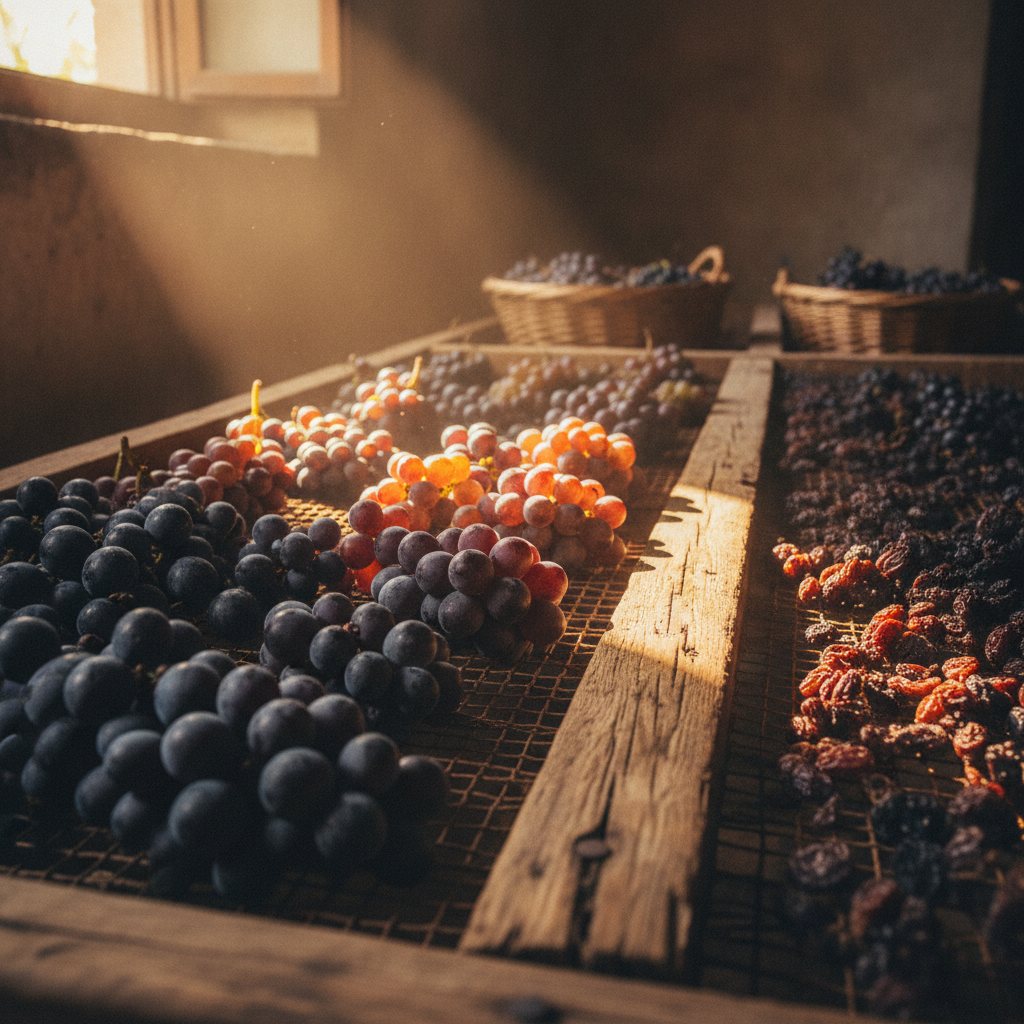
Grape drying is a process of dehydrating grapes, which concentrates their sugars, acids, and aromatic compounds. This can occur directly on the vine (overripening), in special drying rooms (fruttaio) on racks, in wooden crates, or on dry-stone walls. The choice of technique and environmental conditions are crucial in determining the final characteristics of the wine.
Wines produced from dried grapes are valued abroad for their aromatic complexity, structure, and aging potential. Flavors of dried and dark fruits, a good balance between alcohol, extract, acidity, and residual sugar are qualities that make them unique and desirable. The ability to produce wines with these characteristics, linked to a specific terroir and a consolidated tradition, is a strong element of competitive differentiation for export.
What Climatic Conditions Favor Grape Drying?
The soil and climatic conditions of the production area are decisive for the success of grape drying. A temperate climate with good ventilation, well-drained soils, and sufficient water availability, coupled with significant temperature variations between day and night during the late summer and autumn period, favor optimal grape ripening and the proper execution of the drying process.
The presence of favorable winds, such as the Bora in certain regions, can further contribute to ensuring the ideal conditions for natural grape drying. These territorial specificities are an added value to communicate to foreign buyers, highlighting the uniqueness of the product linked to its place of origin.
How are Grapes Selected for Drying?
Grape selection is a critical step in obtaining quality wines from dried grapes. An initial choice is made directly in the vineyard, identifying the sections or clusters most suitable for undergoing the drying process. It's not just the sugar content that is important, but also a good acidity level, essential for balancing the sugar concentration and ensuring the final wine's equilibrium.
Vineyard care, soil choice, and correct vine management are fundamental prerequisites for obtaining quality grapes intended for drying. The preparation of grapes for drying is often advanced compared to the harvest for other wine types, in order to achieve a higher acidity content.
What are the Main Drying Techniques Used?
Grape drying can be carried out both on the vine and in drying rooms. The duration of the drying period varies based on the characteristics intended for the final product. The temperature excursion between day and night and the ventilation of the production area are factors that favor this process.
- In Drying Rooms (Fruttaio): Grapes are harvested and arranged in rooms traditionally used for this practice. Here, in well-ventilated environments, they are periodically checked to ensure their health until pressing. Grapes can be placed on reed racks, in wooden crates, or simply piled up.
- On the Vine (Overripening): In this case, grapes are left to ripen longer on the vine, taking advantage of favorable vintage climatic conditions. This technique, combined with the geographical origin, determines the unique peculiarities of the products.
What Organoleptic Characteristics Do Wines from Dried Grapes Possess?
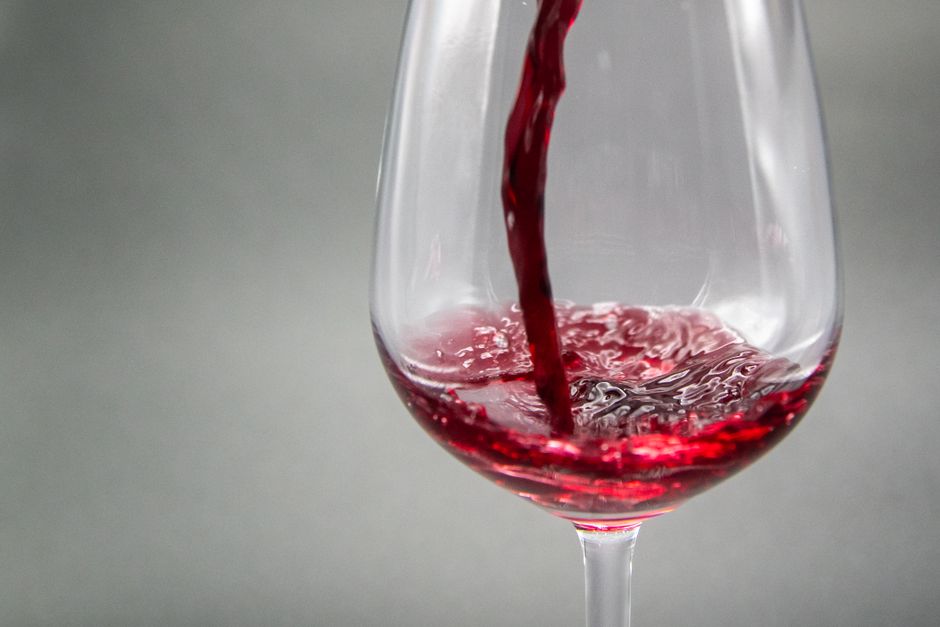
Wines produced from dried grapes are recognizable by a series of distinctive organoleptic characteristics. They exhibit intense aromas of dried and dark fruits, delicate floral notes of white flowers, and fruity notes of ripe yellow fruit. On the palate, they appear mellow or sweet, warm, with high total alcohol content and moderate acidity.
Harmony and velvety texture are often accompanied by a slightly bitter finish that is smoothed out by the drying process. The structure offers a good balance between alcohol, extract, acidity, and residual sugar, giving the wine body and longevity, elements highly appreciated in international markets.
How to Effectively Communicate Grape Drying to Foreign Buyers?
For Italian wineries, grape drying is not just a winemaking technique but a true cultural heritage to be communicated. The narrative surrounding this practice, linked to the territory, traditions, and meticulous care of the process, adds inestimable value to the product.
When exporting wines made using this technique, it is crucial to clearly communicate the drying process, its origins, and how it contributes to the wine's unique qualities. It is important to valorize the territory, emphasizing the link between the specific climatic and soil conditions of the production area and the success of the drying process. Organoleptic characteristics should be highlighted, detailing the aromas, flavors, and structure derived from drying, using language that resonates with international buyers. Finally, ensuring documentary compliance is essential, making sure all necessary export documentation is in order.
Frequently Asked Questions About Grape Drying for Export
What are the main benefits of grape drying for exporting Italian wines? Grape drying imparts aromatic complexity, structure, and aging potential to wines, making them unique and sought after in foreign markets. This technique, linked to specific traditions and terroirs, offers a strong element of competitive differentiation.
In which Italian geographical areas does grape drying find ideal conditions? Ideal pedoclimatic conditions include temperate climates with good ventilation, well-drained soils, and sufficient water availability, coupled with significant diurnal temperature variations. The presence of favorable winds, like the Bora, can further contribute.
What are the distinctive organoleptic characteristics of wines from dried grapes? These wines exhibit intense aromas of dried and dark fruits, delicate floral notes, and fruity notes of ripe yellow fruit. On the palate, they are mellow or sweet, warm, with high alcohol content and moderate acidity, offering harmony, velvety texture, and a balanced finish.
Grape drying represents one of the excellences of Italian oenology, a technique that, when well communicated and supported by a high-quality product, can open doors to international markets increasingly seeking authenticity and added value.