Tannins in Wine: A Key to Success in Foreign Markets
Wines Export Editorial · Last updated:
A deep understanding of the characteristics that define a wine and how these are perceived by foreign consumers and importers is fundamental to conquering international markets. Among these, tannins play a leading role, influencing the structure, aging potential, and taste profile of many Italian red wines. They are not merely a chemical component but an element that shapes the sensory experience and can be a strength or a potential pitfall depending on the target market and buyer expectations. Read more: OIV — International Organisation of Vine and Wine.
What Are Tannins and How Do They Affect Exports?
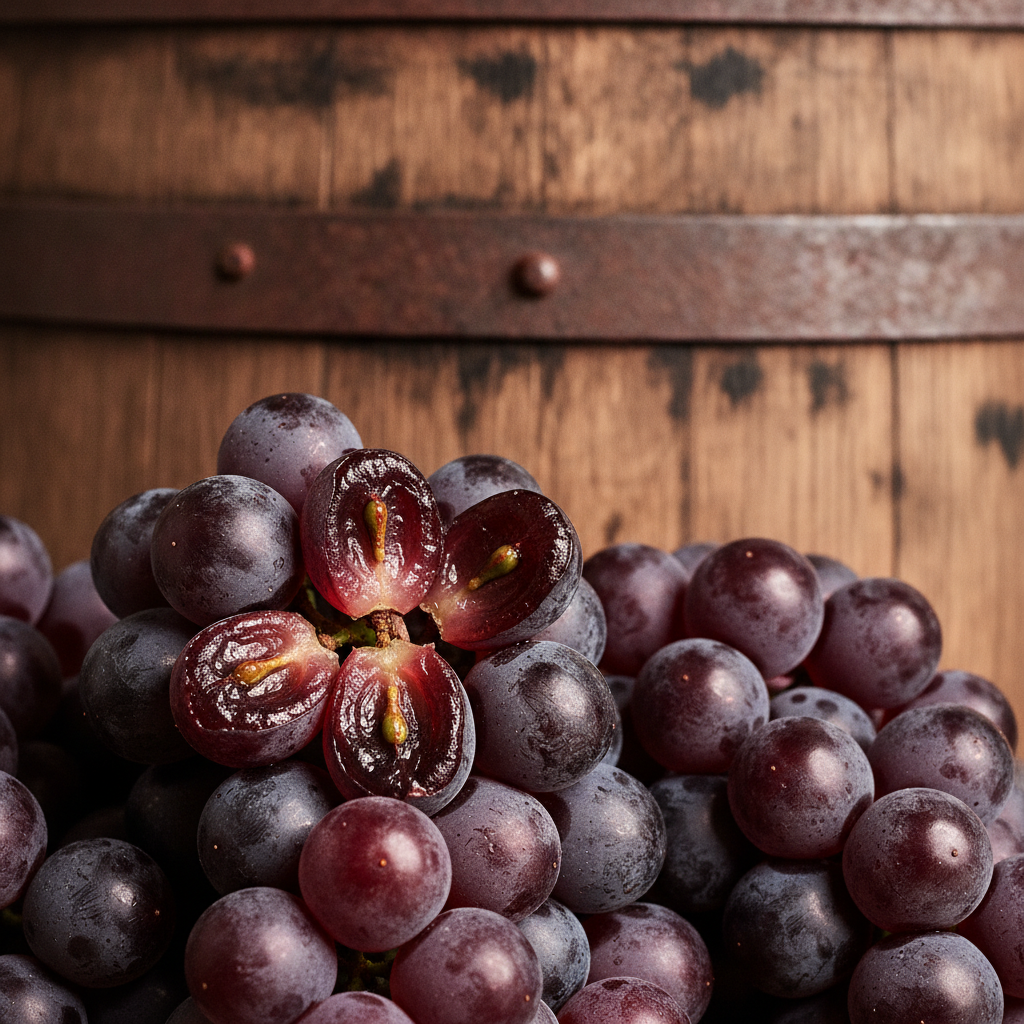
Tannins are natural polyphenol compounds found in grape skins, seeds, and oak barrels. They act as natural preservatives due to their antioxidant and astringent properties. Organoleptically, they are responsible for the sensation of "dryness" and "roughness" in the mouth, contributing to the wine's complexity and longevity.
However, the perception of tannins varies significantly across markets. While some appreciate the structure and aging capacity imparted by pronounced tannins, others may find them excessively tart or harsh, especially in markets less accustomed to wines with a strong tannic character.
How Are Italian Tannins Perceived Abroad?
Historically, Italian wines have faced criticism for their acidity and, in some cases, for tannins perceived as excessive. While this perception is dated, it underscores the importance of considering the tannic profile of one's wines in relation to the expectations of the target market.
To successfully navigate exports, Italian wineries must understand market preferences, adapt their communication to highlight tannins as elements of complexity and longevity, and carefully evaluate their packaging and aging choices.
What Strategies Should Be Adopted to Manage Tannins in Exports?
Tannin management begins in the vineyard and continues in the cellar. Wineries that export must adopt a strategic approach to enhance this fundamental component of wine.
How is the Tannic Profile Controlled from Vine to Bottle?
Grape selection, phenolic ripeness, and winemaking techniques (maceration, fermentation) influence tannin extraction. Aging in oak introduces additional tannins, the type and quantity of which depend on the wood's origin, toast level, and age of the barrels.
What is the Role of Tannins in Aging Potential and Exports?
Tannins are often indicators of a wine's aging potential. Wines with a good tannic structure tend to evolve better, developing complexity and smoothness. This is an advantage for exports, as many markets appreciate wines that improve with age.
However, it is essential that the tannins are ripe and well-integrated. Aggressive and unintegrated tannins can make the wine unpleasant and limit its drinkability, especially for less experienced consumers or those accustomed to different styles.
What Do International Buyers Look for in Terms of Tannins?
International buyers seek high-quality wines, produced consistently, and that meet their customers' expectations. A well-managed tannic profile contributes to the perception of quality. Tannins can influence market positioning, associating wines with pronounced tannins with mid-to-high or premium price segments.
Furthermore, tannins are an expression of terroir. An importer might seek wines that faithfully reflect the characteristics of the grape variety and region, including its typical tannic expression. For instance, in the Ukrainian market, where Italian wine holds a leading position in the sparkling segment, red wines with a good tannic structure, provided they are well-balanced, might benefit from a mid-to-high price positioning.
Frequently Asked Questions About Wine Exports and Tannins
-
How can I determine if my wine has a tannic profile suitable for a specific market? It is useful to research the taste preferences and most appreciated wine styles in the target market, considering the local consumers' tradition and habit towards more or less structured wines.
-
What are the main differences in tannin perception between European and non-European markets? The differences can be significant, with some markets preferring softer, more immediate wines, while others appreciate the structure and longevity imparted by more pronounced tannins.
-
How does the choice of aging barrels affect buyers' perception of tannins? The type of wood (French, American), toast level, and age of the barrels introduce different tannins that can make the wine more or less astringent, influencing buyers' appreciation.
Tannins are not simply a technical element but a genuine asset that, if understood and managed correctly, can strengthen the position of Italian wine in international markets. Exporting wineries must invest in understanding their tannic profile, in its effective communication, and in adapting their production and commercial strategies.
From grape selection to market presentation, every decision counts. Understanding the expectations of international buyers, highlighting territorial specificity, and clearly communicating the role of tannins are fundamental steps to transforming an intrinsic characteristic of wine into a competitive advantage in the global export arena.