Barolo Chinato: Rules, Characteristics, and Import Opportunities
Wines Export Editorial · Last updated:
Barolo Chinato is an Italian aromatized wine that blends Piedmontese tradition with a unique production process. For wineries targeting export, understanding its regulations and the expectations of international buyers is crucial for successful positioning. This wine, while evoking the prestigious Barolo, possesses a distinct identity, born from the addition of sugar, alcohol, and spices, most notably Cinchona calisaya bark. Its history and characteristics make it a niche product with growing interest in international markets. Learn more: Federdoc — Confederazione Nazionale Consorzi Tutela Denominazioni Vini Italiani.
Where does Barolo Chinato come from and what are its origins?
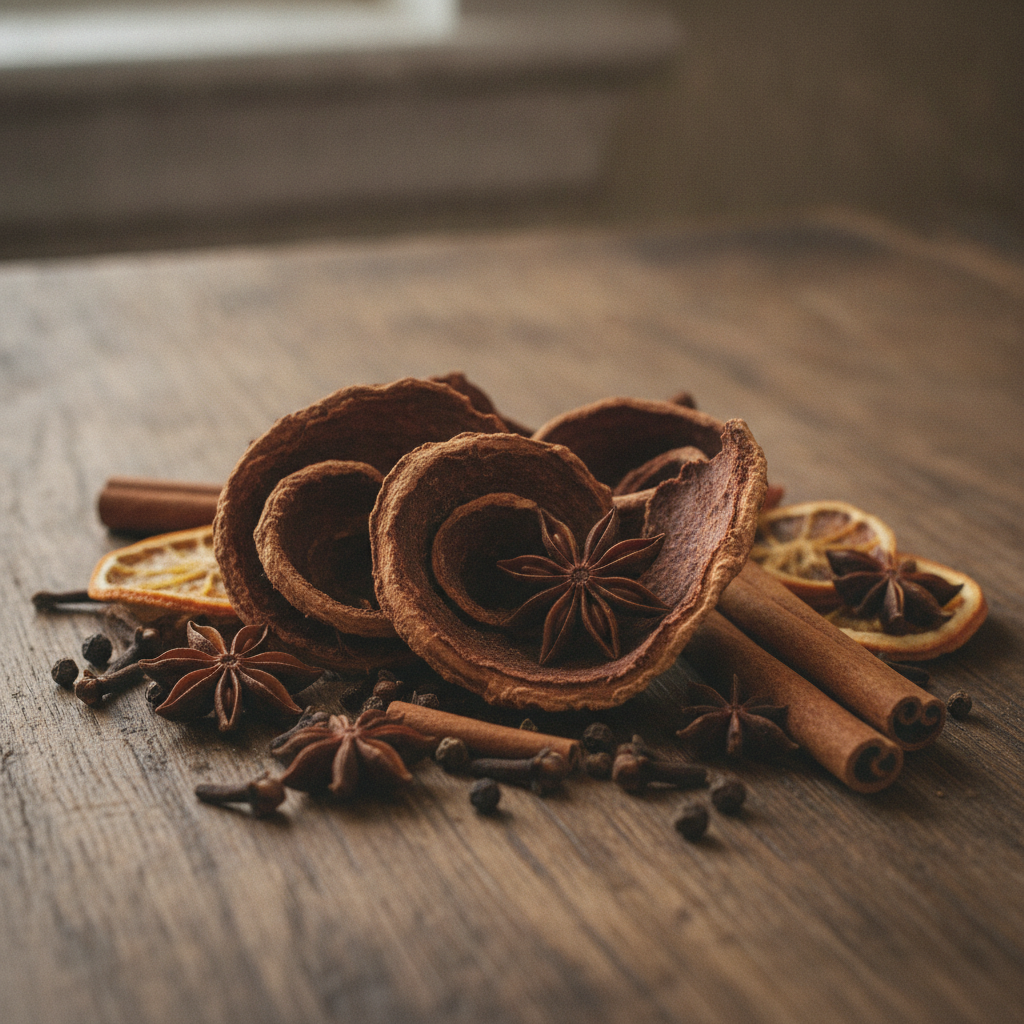
Barolo Chinato originated in Piedmont between the 19th and 20th centuries. Figures such as Giuseppe Cappellano of Serralunga d'Alba and Giulio Cocchi of Asti are associated with its creation, with Cocchi beginning production in 1891. Its essence derives from the addition of sugar and alcohol to Barolo wine, followed by the maceration of spices like Cinchona calisaya bark, rhubarb, and gentian root.
This aromatized wine, with an alcohol content between 16% and 17%, is traditionally appreciated as a digestif. Its versatility also allows it to be enjoyed warm, especially during the colder months, offering a refined and authentic gastronomic experience.
What are the regulations protecting Barolo Chinato?
While there isn't a specific regulation for "Barolo Chinato" as a standalone denomination, it falls under the regulations for aromatized wines and, based on its foundation, for Barolo wine. Production regulations, such as those mentioned in European regulations (e.g., Regulation (EU) No 1308/2013 and subsequent amendments like CELEX:32024R1143), are essential to ensure transparency and compliance.
these regulations define the product's name, categories (aromatized wines), description (analytical and organoleptic characteristics, aromatic profile, sweetness-bitterness), specific enological practices (methods for adding alcohol, sugar, and macerating spices), and the geographical area linked to Barolo production in Piedmont.
How are the quality and authenticity of Barolo Chinato guaranteed?
Compliance with production regulations is subject to rigorous controls. These controls are carried out by designated public authorities or independent certification bodies, as stipulated by Regulation (EC) No 479/2008 (CELEX:32008R0479). Such checks ensure that the final product meets the quality standards and traditions that define its uniqueness, guaranteeing consumers an authentic experience.
What are international importers looking for in Barolo Chinato?
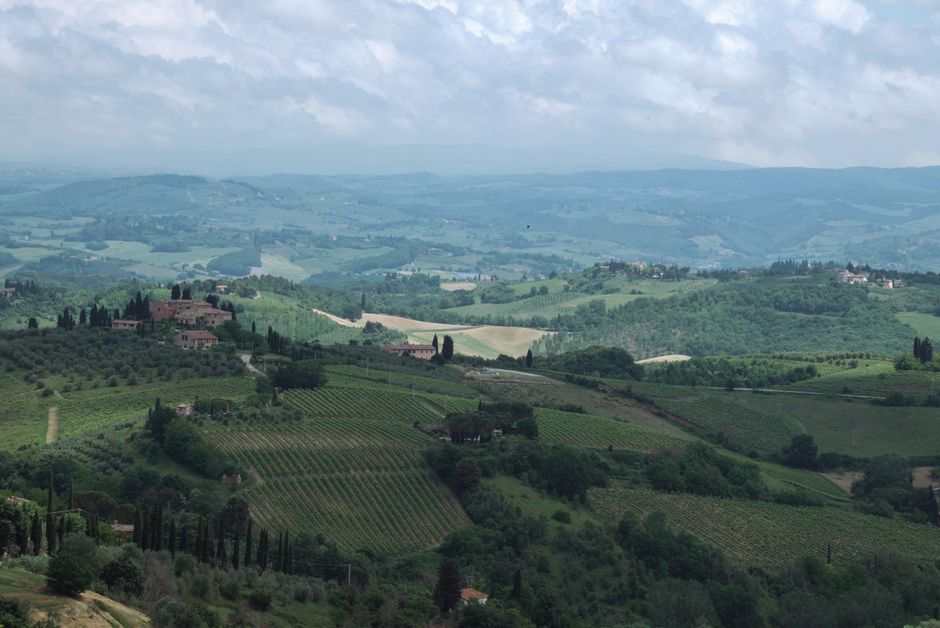
International buyers seek authenticity, tradition, and uniqueness in Barolo Chinato. They value its Piedmontese origin and the history tied to pharmacists or wine merchants. The distinctiveness of the aromatization process with natural spices, particularly Cinchona bark, and its sweet-bitter profile are key differentiating factors.
They are interested in its pairing and consumption potential, whether enjoyed on its own or with desserts, blue cheeses, or dark chocolate, and the possibility of serving it warm. The quality of the base wine (Barolo) is paramount, as is well-designed packaging that clearly communicates origin, ingredients, and production method.
What is the role of Wines Export in promoting Barolo Chinato abroad?
Wines Export facilitates access to the international market for Italian wineries specializing in Barolo Chinato. Our network allows us to identify producers who adhere to high-quality standards and possess a profound understanding of the product. We offer a selection of Barolo Chinato ranging from classic to innovative interpretations, always respecting tradition, to meet the diverse demands of the global market.
Frequently Asked Questions
What are the main spices used in Barolo Chinato?
The main spices include Cinchona calisaya bark, rhubarb, and gentian root, which impart the wine's distinctive sweet-bitter aromatic profile.
Is Barolo Chinato considered an aromatized wine?
Yes, Barolo Chinato falls into the category of aromatized wines, as sugar, alcohol, and spices are added to Barolo wine.
What is the typical alcohol content of Barolo Chinato?
The alcohol content of Barolo Chinato generally ranges between 16% and 17%.
Barolo Chinato represents an expression of Italy's rich enological heritage, combining the nobility of Barolo with the complexity of spices. For wineries, effectively communicating its unique characteristics is key to conquering new markets. Wines Export acts as a strategic partner to connect excellent producers with international importers seeking authenticity, quality, and unique stories.