Bardolino DOC/DOCG: Discover Veneto Wines for Your Foreign Market
Wines Export Editorial · Last updated:
The Bardolino DOC and DOCG offers international buyers a concrete opportunity to access authentic, high-quality Veneto wines with a strong territorial identity. This appellation, rooted in the province of Verona, between the Adige river and Lake Garda, is recognized for its history and for a production regulation that guarantees high standards. Understanding the specificities of its production rules, the characteristics of its wines, and the expectations of foreign markets is fundamental for Italian wineries aiming for export, allowing for effective positioning of these products and the building of solid, long-lasting commercial relationships. In-depth information: Federdoc — National Confederation of Protection Consortia for Italian Wine Denominations.
Which Municipalities are Included in the Bardolino DOC Production Area?
The Bardolino DOC production area includes the territories, in whole or in part, of the following municipalities in the province of Verona: Bardolino, Garda, Lazise, Affi, Costermano, Cavaion Veronese, Torri del Benaco, Caprino Veronese, Rivoli Veronese, Pastrengo, Bussolengo, Sona, Sommacampagna, Castelnuovo del Garda, Peschiera del Garda, and Valeggio sul Mincio. This extensive area defines the geographical origin of the wines.
Within this zone, various types of wine are produced, each with specific designations that enrich its profile and market positioning:
- Bardolino DOC: The base appellation, representing the heart of production.
- Bardolino Classico: Reserved for wines obtained from grapes harvested and vinified in the oldest production area, a restricted zone that includes the municipalities of Bardolino, Lazise, Affi, Garda, Costermano, and Cavaion Veronese. This additional designation emphasizes an even stronger connection to the historical territory.
- Bardolino Chiaretto: A rosé wine, obtained through traditional vinification with partial skin contact. The "Chiaretto" specification is granted on the label in consideration of its distinctive color.
- Bardolino Chiaretto Classico: Combines the characteristics of Chiaretto with its origin in the classic zone.
- Bardolino Chiaretto Spumante: A sparkling version of Chiaretto, obtained through natural fermentation winemaking methods.
- Bardolino Novello: Produced with 85% carbonic maceration grapes and bottled by December 31st of the harvest year, this wine stands out for its freshness and liveliness.
- Bardolino Novello Classico: The Novello version originating from the classic zone.
At a higher level is the Bardolino Superiore DOCG, recognized for its stricter requirements regarding alcohol content, yield per hectare, and vinification. This type also features the "Classico" designation, further delimiting its production area.
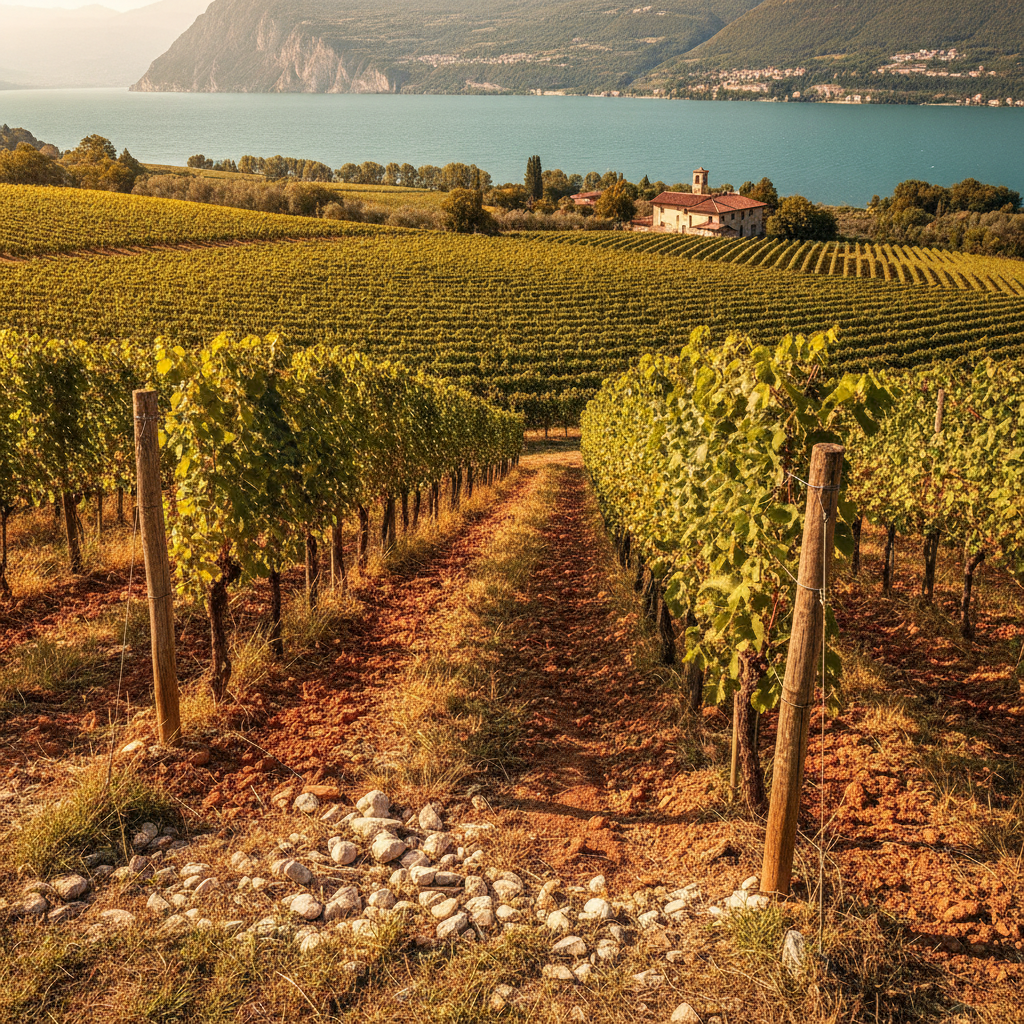
What are the Approved Grape Varieties for Bardolino DOC and What are the Maximum Yields?
The Bardolino DOC production regulation primarily allows Corvina Veronese (35-65%) and Rondinella (10-40%). Other grape varieties such as Molinara, Rossignola, Barbera, Sangiovese, Marzemino, Merlot, and Cabernet Sauvignon are also permitted, individually or combined, up to a maximum of 20% (10% per single variety). The maximum grape yield to wine is 70%; surpluses up to 75% will not be entitled to the DOC, while yields exceeding 75% completely forfeit the appellation right.
What are the Organoleptic Characteristics of Bardolino DOC and How Should it be Bottled?
Bardolino DOC typically presents a clear ruby red color, a delicate aroma, and a soft, savory, and slightly acidulous taste. The minimum alcohol content is 11.5% vol. Bardolino Novello has a clear ruby red color, an intense and fruity aroma, and a dry, soft, savory, slightly acidulous, and fresh taste. The minimum alcohol content is 11% vol. For wines up to 5 liters, traditional glass containers are required. The designations "classico," "chiaretto classico," "novello," and "novello classico" mandate the use of traditional bottles and flasks closed with a flush cork.
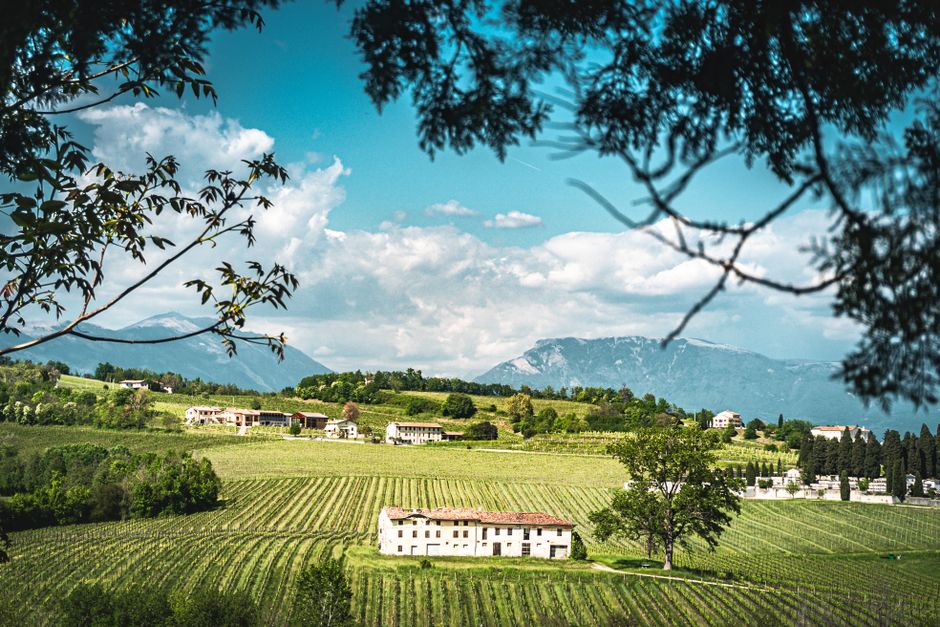
What Do Foreign Buyers Look For When Purchasing Bardolino Wines?
Foreign buyers seek territorial authenticity, good value for money, and gastronomic versatility in Bardolino wines. They appreciate wines that reflect their connection to the province of Verona and Lake Garda, with the "Classico" designation adding perceived value. Bardolino's ability to pair with various cuisines, from traditional Italian to international dishes, is a strong point. Furthermore, the DOCG Superiore appellation offers a high-end option, while the variety of styles allows for catering to different market niches.
What is the Role of the Consorzio Tutela Vino Bardolino D.O.C.?
The Consorzio Tutela Vino Bardolino D.O.C. plays a fundamental role in the promotion and safeguarding of the appellation. Its vigilance in ensuring compliance with production regulations and its promotional activities in international markets serve as a guarantee for foreign buyers, confirming the quality and authenticity of Bardolino wines and acting as a reliable point of reference.
Frequently Asked Questions
What are the differences between Bardolino DOC and Bardolino Superiore DOCG?
Bardolino Superiore DOCG is distinguished by stricter requirements compared to Bardolino DOC, particularly regarding alcohol content, yield per hectare, and vinification procedures, indicating a higher qualitative level.
Is Bardolino a wine suitable for aging?
The production rules and described organoleptic characteristics suggest that Bardolino, especially in its lighter versions and in the Novello style, is intended for more immediate consumption, emphasizing freshness and drinkability. The DOCG versions might have a greater aging potential.
Where can I find more information on the Bardolino production regulation?
Detailed information on the Bardolino production regulation is typically available through the Consorzio Tutela Vino Bardolino D.O.C. and on official websites dedicated to Italian wine appellations.
The Bardolino appellation, with its rich history, unique territory, and diverse range of wines, represents an interesting opportunity for exporting Italian wineries. A thorough understanding of the production regulations, the distinctive characteristics of each type, and the expectations of international buyers is essential for building a successful strategy.