Barbera d'Asti Superiore DOCG: Everything You Need to Know for Exporting
Wines Export Editorial · Last updated:
Barbera d'Asti Superiore DOCG stands as a Piedmontese wine with significant export potential, lauded for its versatility, acidity, and aging capacity. Understanding its production regulations, the grape's intrinsic characteristics, and the demands of international markets is crucial for wineries aiming for global expansion. This wine, derived from its namesake indigenous grape, offers a strong territorial identity and an organoleptic profile that caters to the needs of global importers. Learn more: Consorzio Barbera d'Asti e Vini del Monferrato.
What are the Origins and Territory of Barbera d'Asti Superiore?
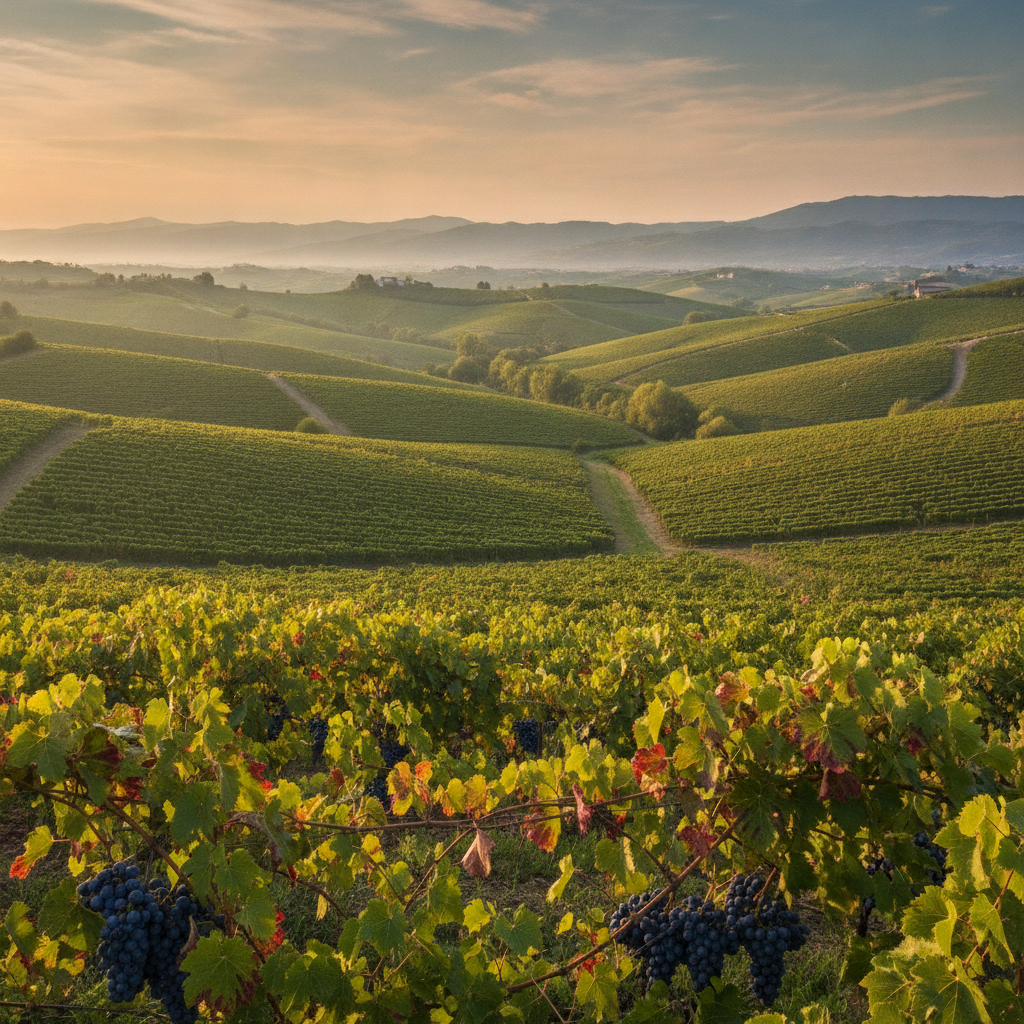
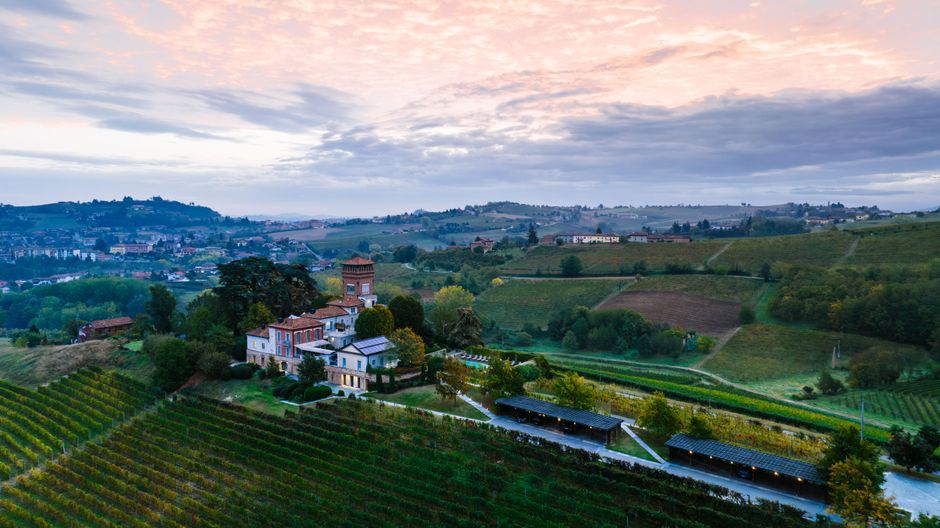
Barbera is a native grape variety of Piedmont, primarily cultivated in the provinces of Asti and Alessandria, within the Monferrato Astigiano region. The Barbera d'Asti designation was established in 1970 and received DOCG recognition in 2008. The production regulations permit cultivation up to 650 meters above sea level, highlighting the unique pedoclimatic characteristics of the territory.
The production area is extensive, encompassing 116 municipalities in the province of Asti and 51 in the province of Alessandria. This broad geographical reach contributes to the diverse expressions of the grape, while maintaining a strong identity tied to its Piedmontese origins.
What Defines the Regulations for Barbera d'Asti Superiore?
The production regulations establish the rules to ensure the authenticity and quality of Barbera d'Asti Superiore DOCG. At the European level, these regulations include the designation name (Barbera d'Asti DOCG), product categories, the type of geographical indication (PDO - Protected Designation of Origin), and a description of the analytical and organoleptic characteristics.
For the "Superiore" (Superior) version, the regulations impose specific requirements, often related to a longer aging period and a higher alcohol content compared to the base version. Maturation in wood and bottle aging are common practices that impart greater complexity and aging potential.
What are the Characteristics of the Barbera Grape and the Wine's Versatility?
Barbera is an extremely versatile grape, capable of producing wines that range from fresh and immediate versions, vinified in stainless steel with fruity notes and lively acidity, to more complex and structured interpretations. The more refined versions benefit from wood aging and a period of bottle rest, developing depth and aromatic complexity.
Young wines typically exhibit intense aromas of blackberry and cherry, while mature versions can evolve towards notes of dark fruit, spices, and tertiary nuances. The consistent high natural acidity contributes freshness and longevity, making the wine an excellent food pairing.
What Do International Buyers Look for in Barbera d'Asti Superiore?
International buyers seek wines with a good quality-to-price ratio, a clear territorial identity, and an interesting organoleptic profile. Barbera d'Asti Superiore meets these demands thanks to its strong connection to Piedmont, its stylistic versatility, and the aging potential of its "Superiore" versions.
Its high acidity makes it particularly well-suited for gastronomic pairings, a factor carefully considered by importers. Buyers look for detailed information on the production regulations, organoleptic characteristics, aging potential, and the wine's history to effectively present it to their own clientele.
How Does Wines Export Support Wineries with Barbera d'Asti?
Our pool of wineries includes producers actively working within the Barbera d'Asti appellation. These producers offer diverse interpretations of the grape, from fresh to more structured and aged versions, covering a broad spectrum of international market demands. The presence of wineries that utilize both stainless steel and wood aging allows us to cater to the varied needs of foreign importers.
Frequently Asked Questions
What is the maximum cultivation altitude for Barbera d'Asti DOCG?
The production regulations permit the cultivation of the Barbera grape up to an altitude of 650 meters.
What are the main organoleptic characteristics of Barbera d'Asti Superiore?
Young wines tend to offer intense, fresh aromas of blackberry and cherry, while more mature versions can develop more complex notes, with hints of dark fruit, spices, and sometimes tertiary nuances. High acidity is a constant.
Why is Barbera d'Asti's acidity important for export?
Barbera's high natural acidity makes it particularly versatile for gastronomic pairings, an aspect that international buyers consider carefully when proposing wines that complement local cuisines.
Barbera d'Asti Superiore DOCG represents an excellent opportunity for Italian wineries wishing to expand their presence in international markets. Its history, versatility, the quality guaranteed by its regulations, and its organoleptic profile make it a valued and sought-after wine.
Are you an Italian winery interested in exporting your Barbera d'Asti Superiore or other Piedmontese wines? Discover how we can support you in reaching new international markets. Request a personalized demo.