Bramaterra: Discover the Regulations and Market Opportunities for Your Wine
Wines Export Editorial · Last updated:
For Italian wineries targeting export markets, understanding appellations of origin like Bramaterra is crucial. This article explores its production regulations, distinctive characteristics, and market opportunities for foreign buyers interested in niche yet high-quality wines. We will analyze how compliance with European regulations and territorial peculiarities make Bramaterra a valuable product for international markets, offering an authentic narrative and certified quality. For more insights: Federdoc — National Confederation of Italian Wine Denomination Protection Consortia.
What are Wine Production Regulations?
The production regulation is the normative document that defines the rules for creating a wine with a Protected Designation of Origin (PDO) or Protected Geographical Indication (PGI). As stipulated by European legislation, it guarantees the product's quality and authenticity, intrinsically linking it to its territory of origin and verifying its production conditions.
The regulation encompasses essential elements such as the product name, wine categories, type of geographical indication (PDO or PGI), a detailed description of analytical and organoleptic characteristics, and specific oenological practices with any restrictions. European legislation also outlines procedures for amending regulations, distinguishing between "Union amendments" and "ordinary amendments," managed at either the European or national level. Oversight of compliance with the regulations is entrusted to the competent authorities of member states, which designate specific bodies for conformity verification.
What are the Distinctive Characteristics of Bramaterra?
The production regulation for a designation of origin, such as Bramaterra, requires a detailed description of its main analytical and organoleptic characteristics. This ensures the wine possesses a distinct profile, tied to its territory.
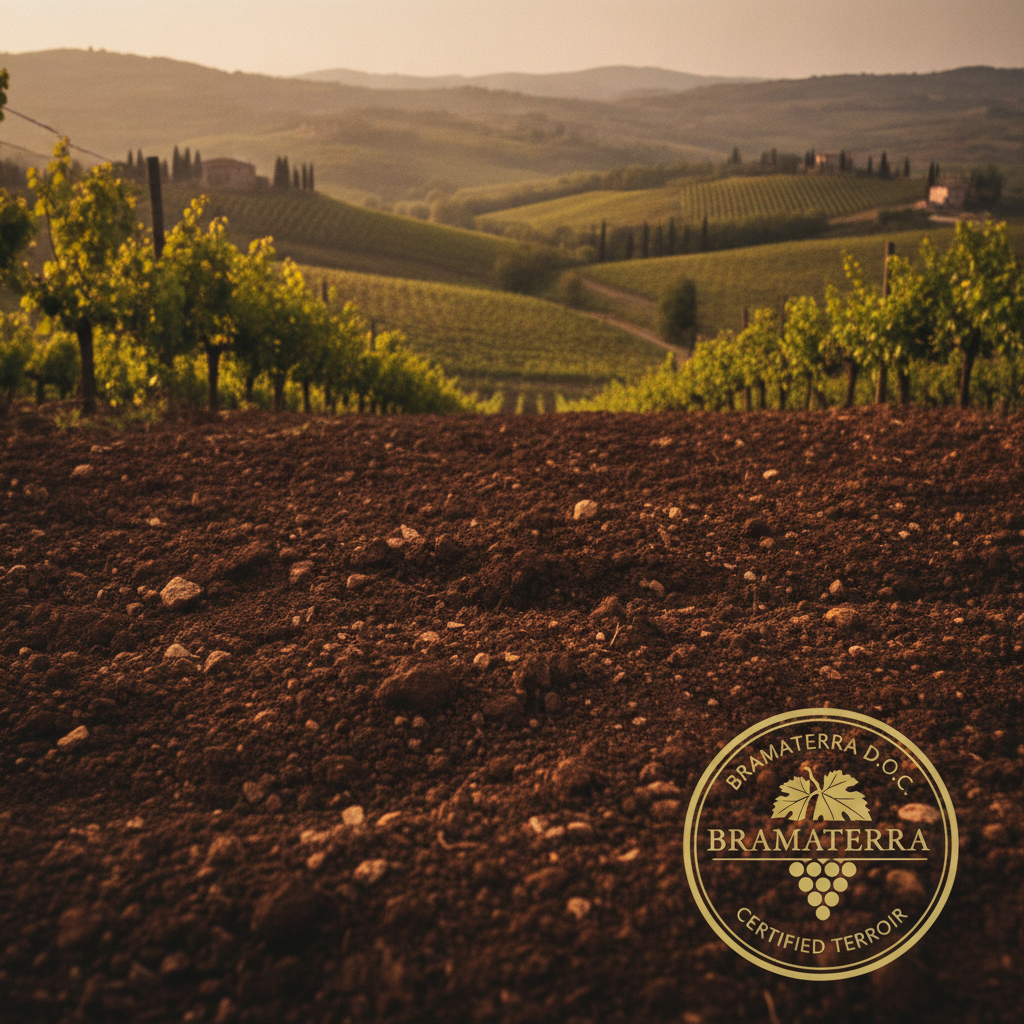
Typically, Piedmontese wines, especially those from hilly areas, are known for their structure, complexity, and aging potential. For Bramaterra, the primary grapes are Nebbiolo (locally called Spanna), Vespolina, and Uva Rara (Bonarda Novarese). The combination of these varieties, along with the unique characteristics of the morainic soil and the Biella climate, imbues the wine with complex aromatic notes, ranging from ripe red fruits to tertiary hints of spice, leather, and tobacco with aging. On the palate, its tannic structure, balanced acidity, and persistence define its quality.
What Do Foreign Buyers Look for in Italian Wine?
Foreign buyers are increasingly seeking products that offer authenticity, certified quality, and a story connected to their territory of origin. Appellations of origin like Bramaterra perfectly meet these demands, providing a unique narrative and a tangible link to the land.
Compliance with European regulations guarantees authenticity and verified quality, reducing the perceived risk when acquiring a new product. Mature markets appreciate wines with aging potential and complexity, characteristics typical of Nebbiolo-based Piedmontese wines. Lesser-known but high-quality appellations, such as Bramaterra, offer an opportunity for differentiation in a saturated market. The transparency required by EU regulations on traceability and compliance further strengthens buyer confidence.
How Does Wines Export Support the Export of Designations like Bramaterra?
Wines Export is committed to promoting niche excellences like the Bramaterra appellation through a network that includes producers operating in designated viticultural areas and adhering to the regulations of their respective appellations of origin. The presence of wineries producing Bramaterra within our exporter pool offers international buyers privileged access to these unique wines.
We support the growth of these producers in foreign markets by highlighting the territory's history, the distinctive aspects of the regulations, the wine's unique characteristics, and its aging potential. These elements are fundamental to effectively communicate in an export strategy to successfully penetrate international markets.
Frequently Asked Questions
What are the main grape varieties used for Bramaterra?
The main grape varieties used for Bramaterra are Nebbiolo (locally called Spanna), Vespolina, and Uva Rara (Bonarda Novarese).
What are the typical characteristics of Bramaterra on the palate?
On the palate, Bramaterra is distinguished by its tannic structure, balanced acidity, and persistence.
What are the benefits for a foreign buyer in purchasing a wine with Protected Designation of Origin (PDO)?
Benefits include the guarantee of authenticity and certified quality, a tangible connection to the territory, and the opportunity to offer a differentiated product with a unique story to their customers.
The Bramaterra appellation embodies the authenticity and quality that international markets seek in Italian wine. Adherence to rigorous regulations, unique characteristics conferred by the territory, and the story each bottle carries make Bramaterra a product with significant export potential.
If your winery is interested in exploring the export potential for the Bramaterra appellation or other Italian excellences, our service is available to guide you on this journey.