Brunello di Montalcino: Regulations, Quality, and Market for Exporters
Wines Export Editorial · Last updated:
Brunello di Montalcino is an Italian red wine of great prestige, sought after internationally. Importers and foreign buyers are drawn to its quality, history, and market potential. Understanding the regulations, intrinsic characteristics, and global appreciation dynamics is fundamental for those operating in wine export, ensuring the authenticity and value of this excellent Tuscan wine.
What are the requirements of the Brunello di Montalcino DOCG Regulations?
The "Brunello di Montalcino" Controlled and Guaranteed Designation of Origin (DOCG) is exclusively reserved for wines that strictly adhere to its production regulations. This regulatory framework is the foundation for guaranteeing the wine's authenticity, quality, and prestige on the global market, protecting its identity.
Which grape varieties are permitted for Brunello di Montalcino?
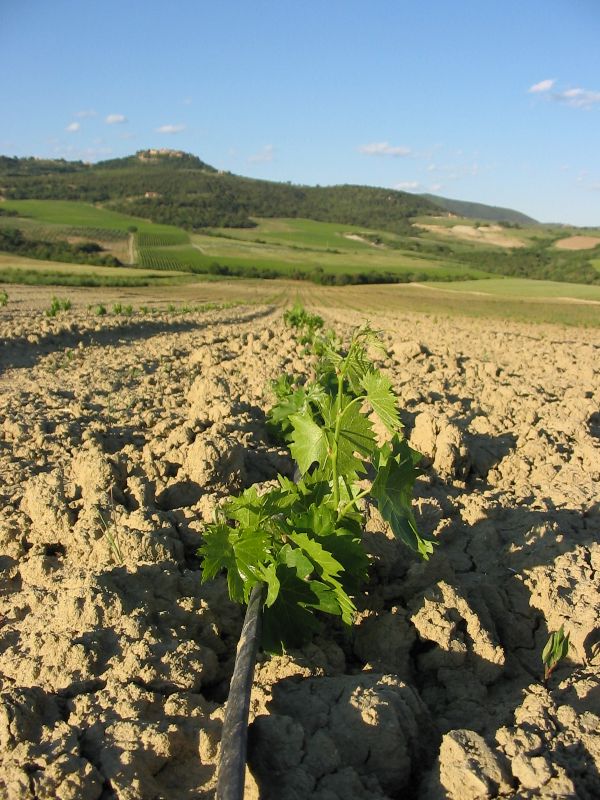
Brunello di Montalcino is produced exclusively from the Sangiovese grape variety, locally known as "Brunello." This grape is deeply rooted in the territory, and the grapes must be cultivated solely within the Municipality of Montalcino, in the province of Siena. The vineyards must be registered in the dedicated Register to ensure the required qualitative characteristics.
What are the winemaking practices and yields for Brunello di Montalcino?
The regulations specify the winemaking practices and maximum yields. Vinification, aging, wood and bottle maturation, and bottling must occur within the production zone. The maximum yield is 68% of grapes into finished wine; surpluses up to 75% are not entitled to DOCG, while exceeding 75% leads to the denaturation of the entire product. No enrichment is permitted for "Vigna" claims.
What are the aging requirements for Brunello di Montalcino?
Brunello di Montalcino requires a minimum aging period of two years in oak containers of any size. Release for consumption is not permitted before January 1st of the year following the fifth anniversary of the harvest. For the "Riserva" qualification, release for consumption is postponed to January 1st of the year following the sixth anniversary of the harvest.
What are the organoleptic and analytical characteristics of Brunello di Montalcino?
Upon release for consumption, Brunello di Montalcino must exhibit an intense ruby red color tending towards garnet, a characteristic and intense aroma, and a dry, warm, tannic, robust, harmonious, and persistent flavor. The minimum total alcoholic strength by volume is 12.5% vol. (a minimum natural of 12.5% vol. for grapes intended for "Vigna"), the minimum total acidity is 5.0 g/l, and the minimum net dry extract is 24.0 g/l.
How do Italian regulations align with European directives?
Production regulations, such as those for Brunello di Montalcino, comply with European directives on protected designations of origin and geographical indications. EU legislation requires that a regulation includes the name of the designation, a description of the wine with analytical and organoleptic characteristics, specific winemaking practices and restrictions, the delimitation of the geographical area, and maximum yields per hectare.
What do foreign buyers look for in Brunello di Montalcino?
Foreign buyers are attracted to Brunello di Montalcino by a combination of qualitative, historical, and positioning factors. They seek wines that offer enological excellence, a compelling story, and solid market potential.
Why are authenticity and tradition important to foreign buyers?
The uniqueness of Sangiovese in Montalcino and a strict regulatory framework that preserves traditions lend Brunello an aura of authenticity. Buyers appreciate wines that tell a territorial story and maintain a strong identity, differentiating them from homogenized products. Fidelity to the grape variety and terroir is a fundamental strength.
How do consistent quality and aging potential influence buyer interest?
Brunello di Montalcino is renowned for its longevity and aging potential. Its characteristics of robustness, harmony, and persistence, coupled with tannins and acidity, make it a wine capable of evolving magnificently. This is a key factor for buyers aiming to build portfolios of fine wines with long-term return on investment.
How do style evolution and accessibility influence the Brunello market?
In recent years, there has been a trend towards a more "approachable" Brunello style, featuring a "lighter structure" and less noticeable oak influence or over-extraction. This evolution makes the wine more accessible to a broader international audience, expanding the market. The search for "lightness" and more accessible red wines is a global trend that appeals to markets such as Switzerland, Austria, and Germany.
What is the importance of positioning and brand value for foreign buyers?
Brunello di Montalcino enjoys a luxury positioning in the global enological landscape. Acquisitions and investments in the territory confirm the strong attractiveness of the appellation. This success is the result of the work of vine growers, entrepreneurs, and investors, respecting territorial identity and biodiversity. Foreign buyers recognize this value and seek wines that enhance their positioning.
What regulatory and compliance aspects are crucial for buyers?
In-depth knowledge of the regulations and EU directives is essential for buyers. Transparency regarding production conditions, yields, and winemaking practices ensures compliance and investment security. The ability to provide a wine that scrupulously respects these rules is a fundamental prerequisite for successful operation in international markets.
Our Support for Brunello di Montalcino
Wines Export collaborates with Italian wineries specializing in Brunello di Montalcino. Our pool of producers is selected to offer high quality, in line with the demands of foreign markets and in compliance with regulations. We support wineries in the valorization and distribution of their Brunellos in international markets, addressing regulatory and commercial challenges with expertise.
- EUR-Lex - Regulation (EU) No 479/2008
- EUR-Lex - Implementing Regulation (EU) 2024/1143
- EUR-Lex - Regulation (EU) No 1308/2013
Frequently Asked Questions
What are the specific aging requirements for Brunello di Montalcino "Riserva"?
Brunello di Montalcino "Riserva" requires a minimum aging period of two years in oak containers, with release for consumption postponed to January 1st of the year following the sixth anniversary of the harvest.
What are the minimum organoleptic characteristics required for Brunello di Montalcino upon release for consumption?
Upon release for consumption, Brunello di Montalcino must exhibit an intense ruby red color tending towards garnet, a characteristic and intense aroma, and a dry, warm, tannic, robust, harmonious, and persistent flavor.
How does the evolution of Brunello di Montalcino's style make it more accessible to international markets?
In recent years, there has been a trend towards a more "approachable" Brunello style, featuring a "lighter structure" and less noticeable oak influence or over-extraction, making the wine more accessible to a broader international audience.