Chianti DOCG: Production Rules and International Markets for Producers
Wines Export Editorial · Last updated:
For Italian wineries targeting export markets, a thorough understanding of Chianti DOCG's specificities is paramount. This article delves into the production regulations, the characteristics that define this wine's identity, and the expectations of international buyers, offering an essential guide for navigating global markets successfully. From the grape varietal composition to aging requirements, every detail matters to present a competitive and authentic product. Learn more: Federdoc — Italian National Confederation of Consortia for the Protection of Italian Denomination Wines.
What Defines Chianti DOCG?
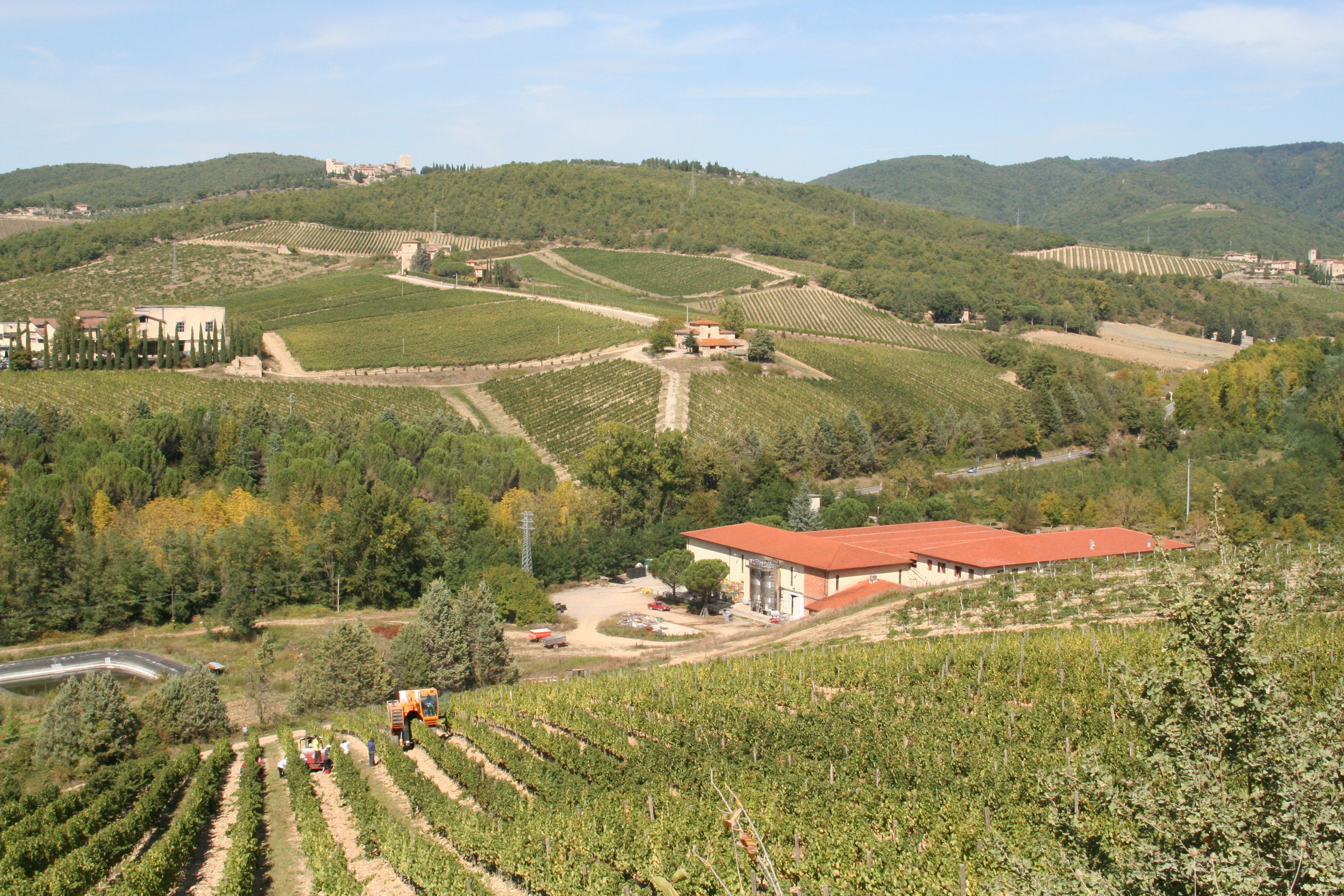
Chianti DOCG is a Denomination of Origin Controlled and Guaranteed, recognized internationally for its quality and strong ties to the Tuscan territory. Its protection is reinforced by production regulations that establish its requirements, guaranteeing the authenticity and distinctive characteristics of the wine, a of primary importance Italian oenological heritage.
What Are the Rules of the Chianti Production Regulations?
The Chianti DOCG production regulations are an essential tool that governs varietal composition, agronomic practices, and organoleptic characteristics. It defines the denomination's name, product categories, geographical indications, analytical and organoleptic characteristics, enological practices, geographical delimitation, and maximum yields per hectare.
What Is the Ampelographic Composition of Chianti DOCG?
"Chianti" wines must be obtained primarily from Sangiovese grapes, with a minimum percentage of 75%. Canaiolo nero (up to 10%) and Trebbiano Toscano and Malvasia del Chianti (individually or jointly, up to 10%) can also contribute. Other suitable grape varieties may be admitted in limited percentages.
What Are the Maximum Yields Per Hectare for Chianti?
The maximum yield of grapes into wine for Chianti DOCG must not exceed 70%. An excess of up to 75% results in the loss of the denomination right for the surplus, while an excess beyond 75% leads to complete forfeiture of the DOCG right.
Are There Sub-zones or Additional Specifications for Chianti?
Yes, the regulations recognize references to specific sub-zones such as "Colli Aretini," "Colli Senesi," "Colline Pisane," "Montalbano," "Montespertoli," "Colli Fiorentini," and "Rufina." For these sub-zones, as well as for the "Superiore" specification, additional requirements are laid down, particularly concerning aging.
What Are the Aging Requirements for "Superiore" Chianti or Chianti from Sub-zones?
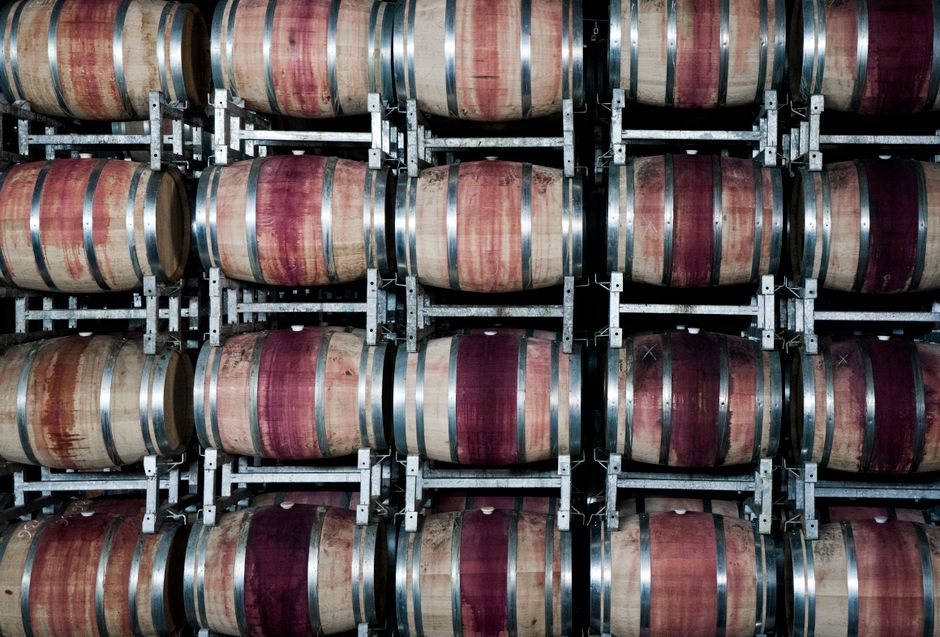
"Chianti" wines with sub-zone references and the "Superiore" specification aspiring to the "Riserva" qualification must undergo aging of at least two years, with a minimum of three months of refinement in the bottle and a minimum volumetric alcohol content of 12.5%. For "Chianti" wines with references to the "Colli Fiorentini" and "Rufina" sub-zones, aging involves at least six months in the barrel and three in the bottle.
What Do International Buyers Look for When Purchasing Italian Wine?
International buyers, especially in mature markets, seek wines with an excellent quality-price ratio, a clear territorial identity, and a compelling story. Chianti, with its history and connection to Tuscany, possesses these elements, but competition is fierce.
What Documents Are Essential for Exporting Italian Wine?
For export, crucial documentation includes company details (VAT number, Chamber of Commerce registration, EORI), production licenses, enological compliance, registration in the DOP/IGP registry, voluntary certifications (organic, sustainability) translated, indication of production capacity, commercial materials in English, and a professional website.
How Does the Chianti Offering Differentiate Itself in International Markets?
The ability to effectively communicate the value of one's product, explaining the specificities of the regulations, agronomic and enological choices, and the connection to the denomination, is a distinguishing factor. The presence of sub-zones and additional specifications like "Superiore" or "Riserva" can help differentiate the offering.
How Does Wines Export Support Wineries in Export?
Wines Export facilitates connections between Italian producers and international buyers, offering support in understanding Chianti DOCG regulations and preparing for international sales, helping wineries face the global market with greater confidence.
For wineries wishing to export their Chianti, an approach based on knowledge of the regulations, documentary and commercial preparation, and an understanding of market dynamics is key to opening doors to international markets.
Frequently Asked Questions
What grape varieties are permitted in Chianti DOCG?
Chianti DOCG is primarily made from Sangiovese grapes (minimum 75%), with the possibility of including Canaiolo nero, Trebbiano Toscano, and Malvasia del Chianti, as well as other suitable grape varieties in limited percentages.
What is the maximum grape yield per hectare for Chianti?
The maximum yield of grapes into wine for Chianti DOCG is 70%. Partial excesses result in penalties, while significant excesses lead to forfeiture of the denomination.
What does the "Superiore" specification mean for a Chianti?
The "Superiore" specification for a Chianti, as well as references to specific sub-zones, implies additional requirements, particularly concerning aging, which contribute to defining a superior quality product.