Franciacorta DOCG: Italian Wineries and the International Market
Wines Export Editorial · Last updated:
For Italian wineries aiming for export, Franciacorta DOCG represents an opportunity for premium positioning. A thorough understanding of this appellation's specifics, its stringent regulations, and the expectations of international buyers is crucial. This article provides a clear guide to the key elements defining Franciacorta, from its regulatory identity to the demands of the global market, helping wineries successfully navigate the export landscape of high-end Metodo Classico sparkling wines.
How Does the Franciacorta Regulation Ensure Superior Quality?
Franciacorta stands out for one of the most rigorous regulatory frameworks in the world for Metodo Classico sparkling wines. Recognized as DOC in 1967 and then as DOCG in 1995, its regulations define production conditions, analytical and organoleptic characteristics, and winemaking practices.
This regulatory rigor ensures the authenticity and quality of the final product. The regulations, in accordance with European law (as indicated by sources like EUR-Lex, for example CELEX:32013R1308), establish production conditions, analytical and organoleptic characteristics, specific winemaking practices and any restrictions, as well as the delimitation of the geographical area concerned.
What Are the Types of Franciacorta DOCG?
The current regulations permit the production of three main types: Franciacorta, Franciacorta Satèn, and Franciacorta Rosé. These are further distinguished by the Millesimato and Riserva classifications, indicating extended aging on lees and greater aromatic complexity.
Franciacorta Satèn is a specific type, created for the Italian market, characterized by lower pressure and a softer taste. The Millesimato and Riserva classifications, however, signify longer aging on lees, conferring greater aromatic complexity.
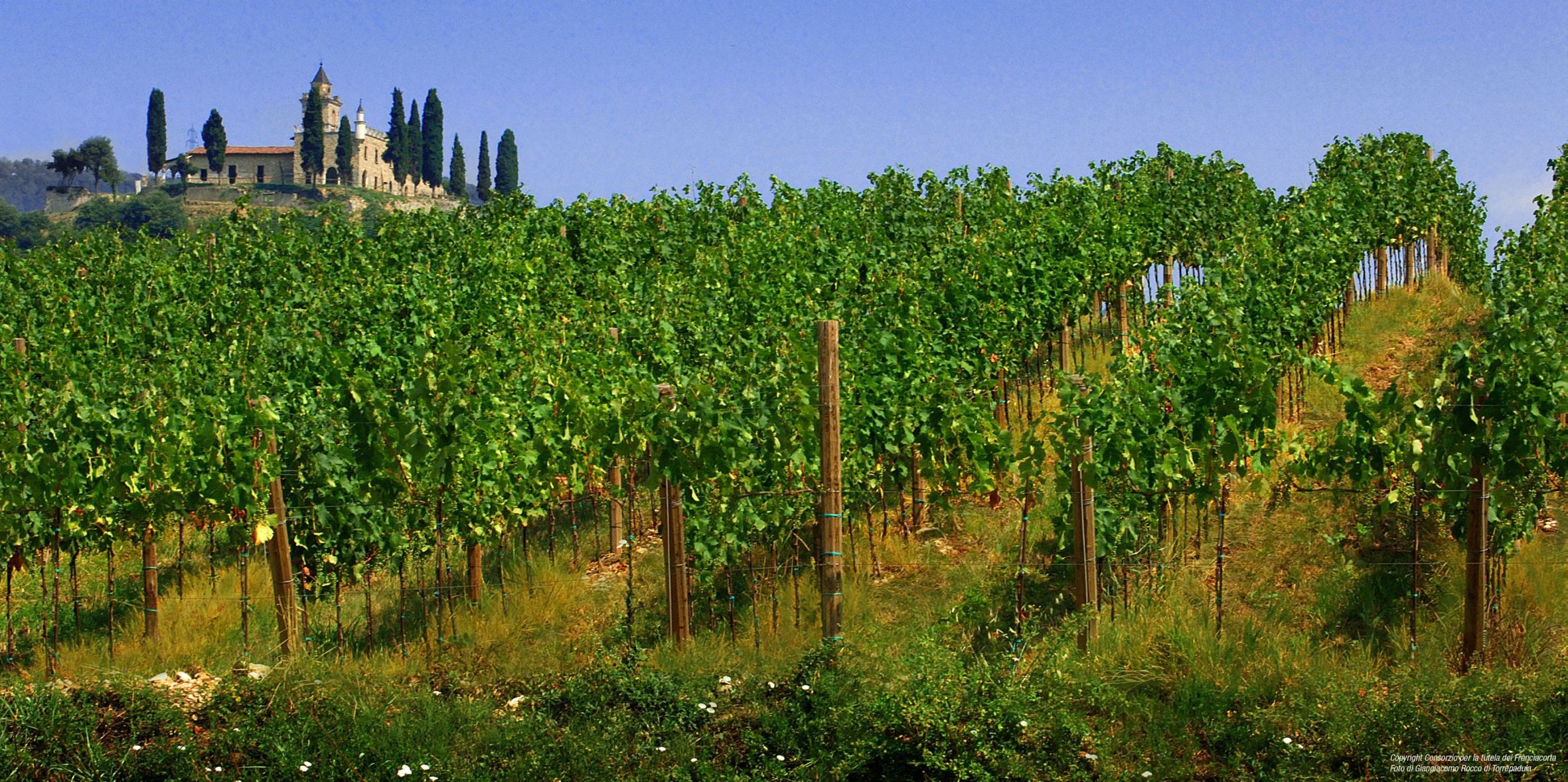
Why Can Franciacorta Be Indicated Without the Term "Sparkling"?
This faculty, recognized by the European Union, places Franciacorta alongside only French Champagne and Spanish Cava among Europe's great bottle-fermented sparkling wines. This regulatory exclusivity strengthens Franciacorta's identity and premium positioning in the international market.
This distinctive feature positions Franciacorta on par with other prestigious European appellations, underscoring its uniqueness and value in the high-end sparkling wine market.
What Does the Metodo Classico of Franciacorta Entail?
The inseparable link between Franciacorta DOCG and Metodo Classico (natural bottle fermentation) is the defining element that characterizes events like the Festival Franciacorta in Cantina. This production process, from mandatory manual harvesting to bottle fermentation and riddling, is meticulously regulated by the disciplinary code.
The Festival Franciacorta in Cantina becomes a powerful tool for technical education, allowing for the comparison of dozens of interpretations of the same method and highlighting stylistic nuances between historic wineries and emerging producers.
What Documents Are Essential for a Foreign Buyer?
Before establishing commercial contact, a winery must have impeccable corporate and compliance documentation ready. This includes: VAT number and updated Commercial Register extract, EORI number, Production Licenses and Oenological Compliance, and Voluntary Certifications (such as organic or sustainability), all translated into English.
These documents are standard requirements for buyer due diligence checks and are indispensable for all EU export customs operations.
How to Assess the Reliability of a Foreign Buyer?
To manage credit risk, "Know Your Customer" (KYC) is fundamental: verify that the buyer is a real and verifiable legal entity. Check the company name, address, registration number, and alcohol import license.
It is standard practice to request commercial and bank references. Asking the buyer for the names of 2-3 suppliers who already extend credit allows for verification of their payment history.
What Do Foreign Buyers Look for in Franciacorta Wineries?
Foreign buyers seek consistent and recognizable quality, history and territory, reliability, and long-term partnerships. They also appreciate marketing and commercial support, such as translated materials and participation in industry trade shows.
The narrative of Franciacorta, its unique territory, and its artisanal production method are strong differentiating factors. The winery's capacity to be a solid commercial partner is crucial.
What is the Role of the Consorzio Franciacorta and EU Regulations?
The Consorzio Franciacorta plays a key role in protecting and promoting the appellation, emphasizing regulatory and qualitative primacy. EU regulations, such as those cited by EUR-Lex (CELEX:32013R1308 and CELEX:32008R0479), establish the frameworks for protecting designations of origin and geographical indications.
These regulations protect consumers from deceptive practices and safeguard the reputation and integrity of quality products.
Frequently Asked Questions
What are the main differences between Franciacorta, Champagne, and Cava?
Franciacorta is distinguished by its specific regulations, Metodo Classico, and the exclusive regulatory right to be referred to without the term "sparkling," a privilege shared only with Champagne and Cava among Europe's great bottle-fermented sparkling wines.
How can I verify the compliance of a Franciacorta winery with export requirements?
It is essential to request and verify corporate and compliance documentation, such as VAT number, Commercial Register extract, EORI number, production licenses, and voluntary certifications, in addition to assessing the declared production capacity.
What are the advantages for a foreign buyer to attend events like the Festival Franciacorta in Cantina?
Attending events like the Festival Franciacorta in Cantina allows foreign buyers to compare different interpretations of Metodo Classico, understand stylistic nuances between wineries, and deepen their knowledge of the territory and artisanal production methods.
Franciacorta wineries looking to expand their presence in foreign markets must adopt a holistic approach, meticulously preparing documentation and understanding the needs of international buyers. Franciacorta's strength lies in its regulatory identity, its history, and its territory – elements that, when effectively communicated, can open doors to global markets.