Etna DOC Wine: Your Gateway to International Markets
Wines Export Editorial · Last updated:
The Etna DOC represents a wine region of great appeal and export potential. Wineries within this denomination must thoroughly understand the production regulations and the expectations of foreign buyers to navigate the export landscape successfully. This article explores the key aspects for establishing a presence in international markets, from regulatory compliance to commercial presentation, with a focus on the unique characteristics that make Etna wines distinctive and desirable. Further reading: Federdoc — National Confederation of Italian Wine Denomination Protection Consortia.
Why is Etna DOC a Unique Wine Region?
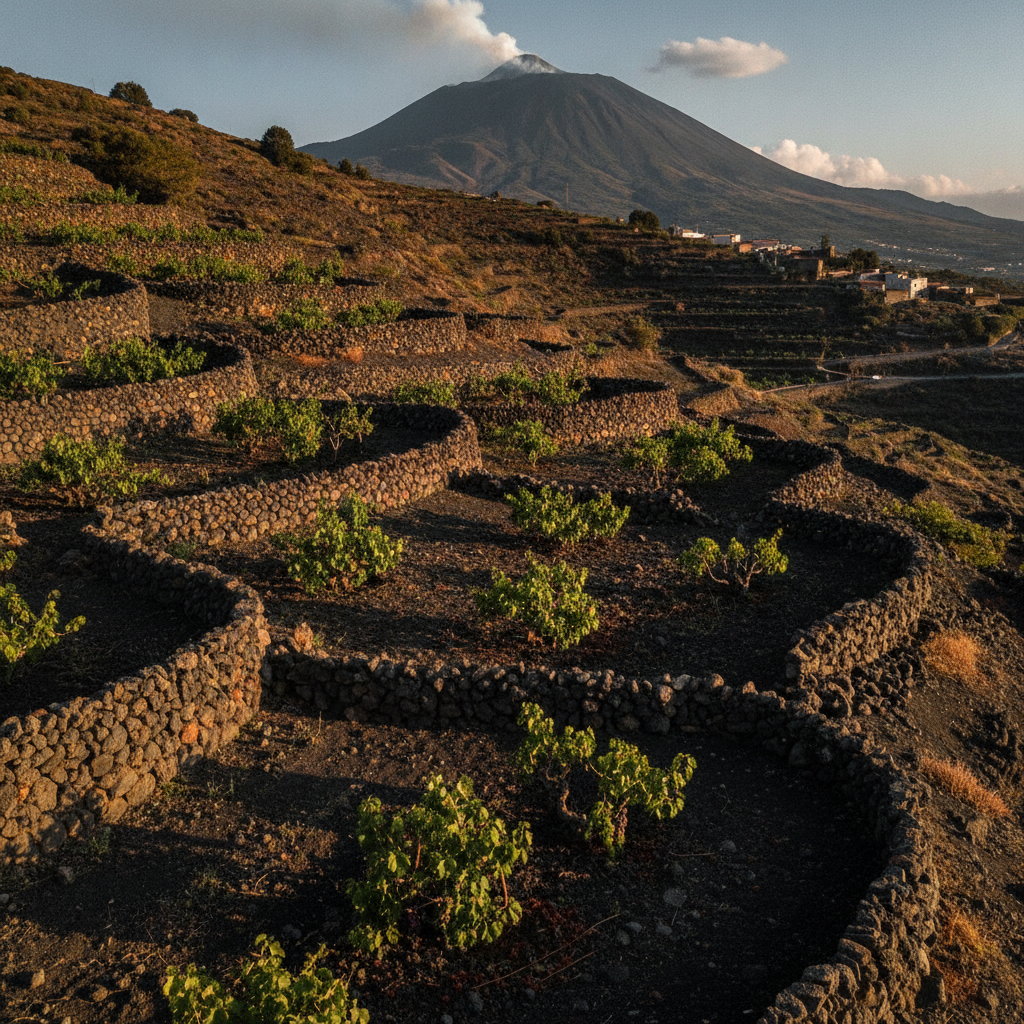
Etna DOC is one of Sicily's most prestigious denominations, characterized by a volcanic terroir that imparts a distinctive profile to its wines. The grapes cultivated on the slopes of Etna benefit from a special microclimate, with significant diurnal temperature variations, high altitude, and mineral-rich soils derived from volcanic activity. These conditions result in wines of great complexity, structure, and longevity, highly appreciated by global consumers.
What Defines the Etna DOC Regulations?
The production regulations define the precise rules for obtaining the Etna DOC designation, guaranteeing the authenticity and quality of the wines. They include the permitted grape varieties, the delimited cultivation areas, allowed winemaking practices, and the analytical and organoleptic parameters that wines must meet. For foreign buyers, the denomination serves as a seal of guarantee, attesting to the wine's origin and peculiar characteristics.
How Do Production Regulations Facilitate Export?
The regulations are the identity card of a denomination and an essential tool for exporting wines with protected origin. As defined by European legislation, they allow interested parties to verify production conditions. Crucial elements include the name of the denomination (Etna DOC), the categories of wine products (red, white, rosé), the type of geographical indication (PDO), a description of the wine, and specific winemaking practices.
Compliance with the regulations communicates professionalism and a commitment to quality, strengthening the confidence of foreign buyers and facilitating commercial negotiations. More mature markets, such as those in Europe and North America, seek wines that offer an authentic and guaranteed story, elements that a well-defined and respected regulatory framework effectively conveys.
What Documents and Conformities Are Required for Export?
Internal preparation is the first step before contacting a foreign buyer. Company and compliance documentation is essential: VAT number, Chamber of Commerce Registration, EORI Number (mandatory for customs export operations from the EU), Production Licenses and Enological Compliance, and registration in the DOP/IGP vineyard register. Voluntary certifications such as organic or sustainability, translated into English, are increasingly in demand.
How Do Foreign Buyers Assess a Winery's Production Capacity?
Serious buyers assess a winery's real production capacity before commencing negotiations. It is necessary to have clear figures on annual volumes available for export per reference and in total, the minimum order quantity (MOQ) per reference and per container, and the availability calendar per vintage, which is particularly important for wines with limited production.
What Commercial Materials Are Essential for Foreign Buyers?
Product presentation is as important as its quality. Buyers expect an export price list in the reference currency (EUR or USD) with clear pricing conditions (FOB/DDP), product technical data sheets in English (chemical-physical analyses, grape varietal, production method, allergens, alcohol content), and professional-quality photographic and video materials (bottles, labels, winery). The availability of samples, with clear shipping costs, is also fundamental.
What Should Be Considered Regarding Brand and Labels for Export?
Before investing commercial time, it is prudent to verify brand registrability in the target country to avoid conflicts. It is necessary to prepare draft labels that can be adapted to the destination country's requirements, considering the language, units of measurement, and mandatory indications. European legislation on the labeling and presentation of wine products is complex and requires attention.

How Do Foreign Buyers Assess a Winery's Reliability?
Assessing a buyer's reliability is crucial to avoid future problems, and foreign buyers, in turn, evaluate the winery. Transparency regarding production capacity and the availability of proper documentation are signs of reliability that facilitate the building of a solid and lasting commercial relationship.
What is the Role of Wines Export for Etna Wineries?
Wines Export acts as a strategic partner for Italian wineries wishing to expand their presence in international markets. We understand the specific challenges that denominations like Etna DOC face in exporting and offer targeted support to overcome them, helping wineries identify target markets, prepare necessary documentation, connect with qualified buyers, and navigate logistical and customs complexities.
Frequently Asked Questions
What are the main grape varieties permitted under the Etna DOC regulations?
The regulations define the grape varieties permitted for the production of Etna DOC wines, ensuring the authenticity and unique characteristics of the territory.
Is an EORI number required to export wines from Italy to the EU?
Yes, the EORI number is mandatory for customs export operations from the EU, including the export of Italian wines to other member countries.
What types of certifications are increasingly requested by foreign buyers?
Voluntary certifications such as organic and sustainability, translated into English, are increasingly requested, especially in Anglo-Saxon and Northern European markets.
If your Etna winery is ready to explore new export opportunities, discover how we can support you. Request a personalized demo to understand the potential of your wines in international markets.