Franciacorta DOCG: Discover the Classic Method and its Distributors Worldwide
Wines Export Editorial · Last updated:
Franciacorta DOCG represents an excellence in the Italian enological landscape, distinguished by strict regulations and a production method that guarantees its uniqueness and quality. This sparkling wine, produced exclusively by secondary fermentation in the bottle, has earned a prominent place in international markets over time, attracting the interest of foreign operators and buyers thanks to its distinctive characteristics and strong link to the territory. A thorough understanding of its regulations and the Classic Method is essential for anyone wishing to import or distribute this prestigious Italian wine. Learn more: Federdoc — Italian National Confederation of Consortia for the Protection of Italian Wine Designations.
What are the characteristics of the Franciacorta DOCG regulations?
The Franciacorta DOCG regulations are among the most stringent worldwide for Classic Method sparkling wines. Introduced in 1995, they established the exclusivity of the name "Franciacorta" for sparkling wines produced using this method, separating them from still wines previously included in the DOC.
The current regulations allow for three main types: Franciacorta, Franciacorta Satèn (characterized by lower pressure and greater softness), and Franciacorta Rosé. These are complemented by the Millesimato and Riserva designations, indicating extended aging on lees and greater aromatic complexity.
A regulatory peculiarity is the possibility of stating the wine's name on the label without the term "spumante" (sparkling), a condition that, among Europe's great bottle-fermented sparkling wines, Franciacorta shares only with French Champagne and Spanish Cava.
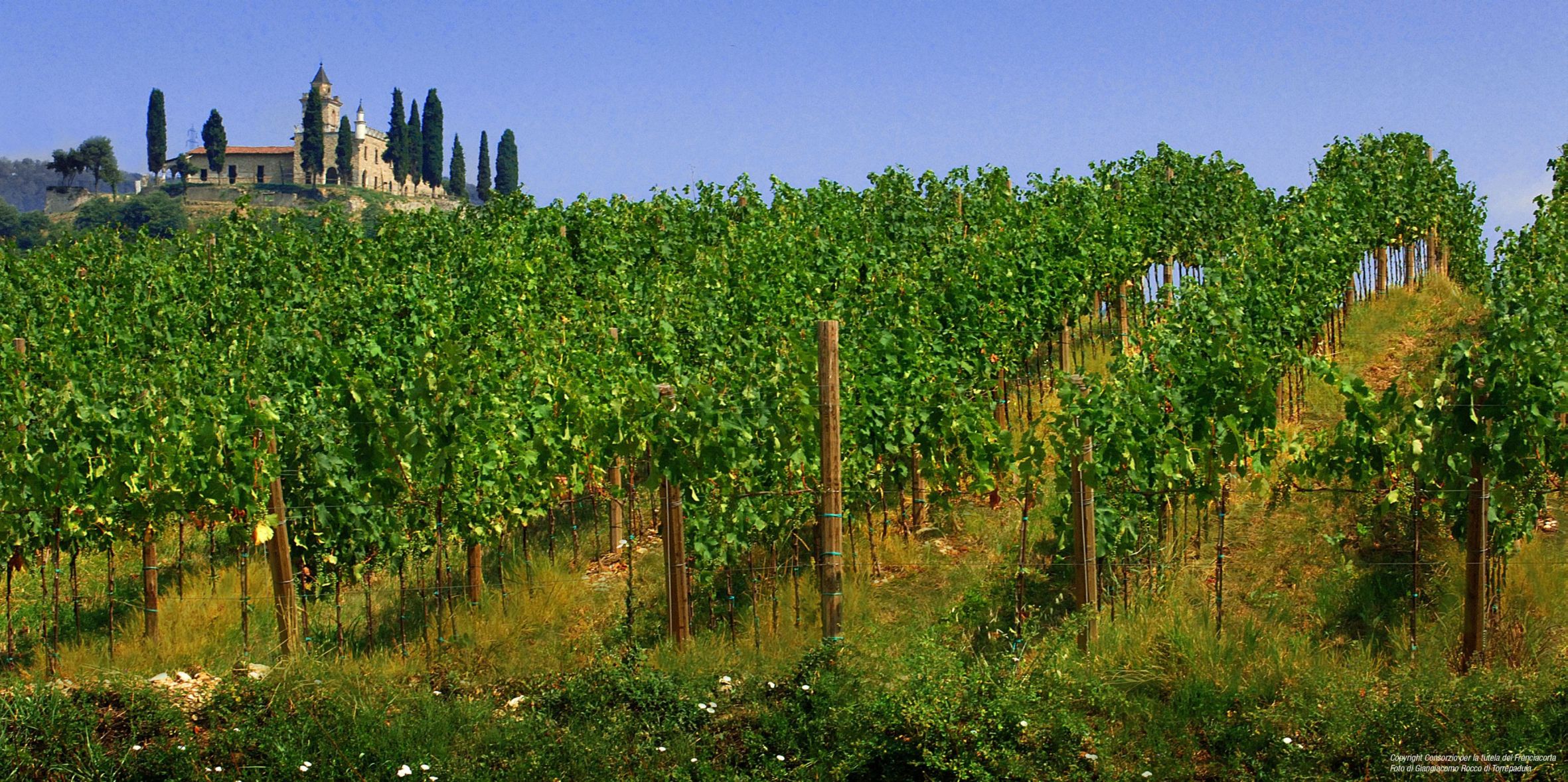
How is Franciacorta DOCG produced?
Franciacorta is the first Italian wine exclusively produced using the bottle fermentation method to achieve DOCG status. This method, also known as the Champenoise Method, involves a second fermentation that takes place directly in the bottle, followed by a long period of aging on lees.
The production process is lengthy and artisanal: it includes mandatory manual harvesting, soft pressing of grapes, first fermentation, tirage, secondary fermentation in the bottle, aging on lees for a minimum established period (from 18 months for the base to 60 months for the Riserva), riddling, disgorgement, dosage, and corking.
This meticulous process, regulated at every stage by the specifications, distinguishes Franciacorta from sparkling wines produced using the Charmat/Martinotti Method, such as Prosecco, where fermentation occurs in large autoclaves.
What are the main types of Franciacorta DOCG?
The main types of Franciacorta DOCG are three: Franciacorta, Franciacorta Satèn, and Franciacorta Rosé. Franciacorta Satèn is an exclusive type characterized by lower pressure in the bottle and, consequently, greater softness on the palate.
These are complemented by the Millesimato and Riserva designations. Millesimato indicates that all grapes come from a single vintage, while Riserva requires prolonged aging on lees, imparting greater aromatic complexity.
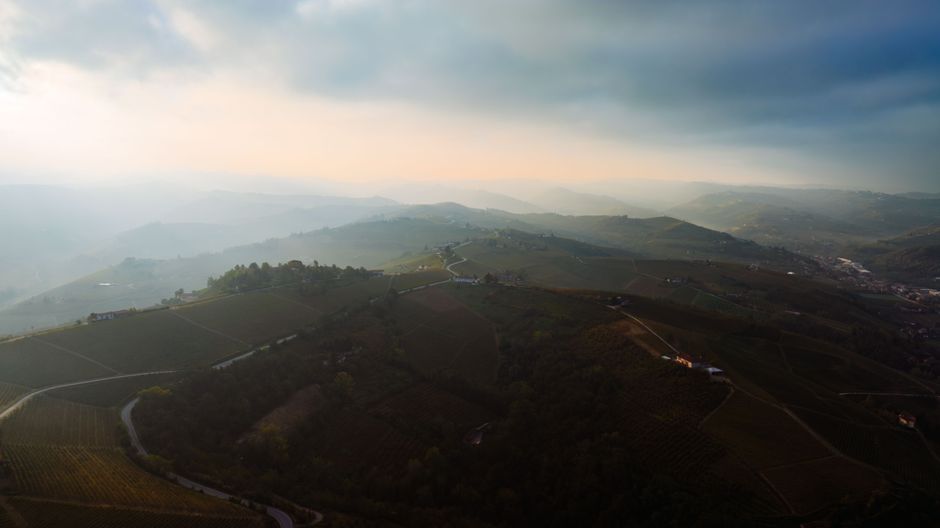
Why are foreign buyers interested in Franciacorta DOCG?
Foreign buyers are attracted to Franciacorta DOCG for its consistent quality, guaranteed by the rigor of its regulations and the Classic Method. The uniqueness and strong territorial identity of Franciacorta give the wine a distinctive character, appreciated by consumers seeking authentic experiences.
Its gastronomic versatility, ranging from pairings with fish and shellfish to white meat dishes and aged cheeses, makes it appealing to high-end restaurants and wine shops. Furthermore, its prestigious image, enhanced by the possibility of being labeled without the term "spumante" and its comparison with Champagne and Cava, facilitates its entry into premium market segments.
Events like the Festival Franciacorta in Cantina offer foreign operators the opportunity to compare different interpretations of the same method, appreciating the stylistic nuances between historic wineries and emerging realities, making the event an effective tool for technical education for buyers and industry professionals.
Where can I find detailed information on the Franciacorta DOCG regulations?
The production conditions for the protected designation of origin (PDO) Franciacorta are defined by European legislation, such as Regulation (EU) No 1308/2013 and subsequent amendments. These include the name of the designation, the categories of wine products, the type of geographical indication, a detailed description of the wine with its main analytical and organoleptic characteristics, specific oenological practices and their restrictions, the delimitation of the geographical area, and maximum yields per hectare.
The consolidated regulations can be consulted on the website of the Italian Ministry of Agricultural, Food and Forestry Policies (www.politicheagricole.it).
Frequently Asked Questions
What are the main differences between Franciacorta and Prosecco for a foreign buyer?
The fundamental difference lies in the production method: Franciacorta exclusively uses the Classic Method (bottle fermentation), while Prosecco uses the Charmat/Martinotti Method (autoclave fermentation). This translates into different aromatic and structural profiles, with Franciacorta tending to develop greater complexity and yeast notes due to aging on its own lees in the bottle.
What characteristics make Franciacorta Satèn unique?
Franciacorta Satèn is an exclusive type characterized by lower pressure in the bottle (less than 5 atmospheres) and, consequently, greater softness on the palate. It is produced exclusively from white grapes and does not involve the addition of sugar in the expedition liqueur, maintaining a drier profile.
What are the aging requirements for a Franciacorta Riserva?
A Franciacorta Riserva requires prolonged aging on lees compared to a base Franciacorta. The regulations specify a minimum of 60 months of aging on lees, which contributes to the development of greater aromatic complexity and a more evolved structure.
Franciacorta DOCG offers an outstanding opportunity for the international Classic Method sparkling wine market. Its combination of regulatory rigor, artisanal process, and strong territorial identity makes it a