Franciacorta DOCG: Regulations, Types, and Characteristics for the International Market
Wines Export Editorial · Last updated:
Franciacorta DOCG is an Italian excellence recognized globally for its Classic Method and one of the most rigorous production regulations. For Italian wineries aiming for export, understanding the specifics of this denomination and the expectations of foreign buyers is crucial to best leverage market opportunities. This sparkling wine stands out for its intrinsic quality and prestigious positioning, fundamental elements for those seeking reliable, high-value products in the international enological landscape. Learn more at Federdoc — National Confederation of Italian Wine Denomination Protection Consortia.
What is Franciacorta DOCG and What are its Regulations?
Franciacorta DOCG is a unique denomination exclusively dedicated to Classic Method sparkling wines. Its production regulations are among the strictest in the world, guaranteeing high quality standards and a well-defined identity. Events such as the Franciacorta Festival in Cantina are dedicated to educating operators and foreign buyers on the production method and the stylistic nuances of various wineries.
The regulatory journey saw the DOC recognition in 1967, followed by the exclusive use of the name "Franciacorta" for Classic Method sparkling wines in 1995. This cemented Italy's primacy for wines produced entirely with secondary fermentation in the bottle, an aspect championed by the Protection Consortium. The regulations govern every phase, from manual harvesting to disgorging, ensuring a long and artisanal process.
What are the Types of Franciacorta Under the Regulations?
The current regulations provide for three main types: Franciacorta, Franciacorta Satèn, and Franciacorta Rosé. These are complemented by the Millesimato and Riserva variations, which indicate further levels of quality and aging. Franciacorta Satèn is a typology exclusive to the territory, characterized by lower bottle pressure and a softer taste.
A regulatory peculiarity is that "spumante" (sparkling) can be omitted from the label when referring to Franciacorta, an exclusivity shared with Champagne and Cava. Furthermore, terms like "metodo classico" or "metodo tradizionale" cannot be mentioned; the wine must be called simply "Franciacorta." This reinforces the brand's uniqueness.
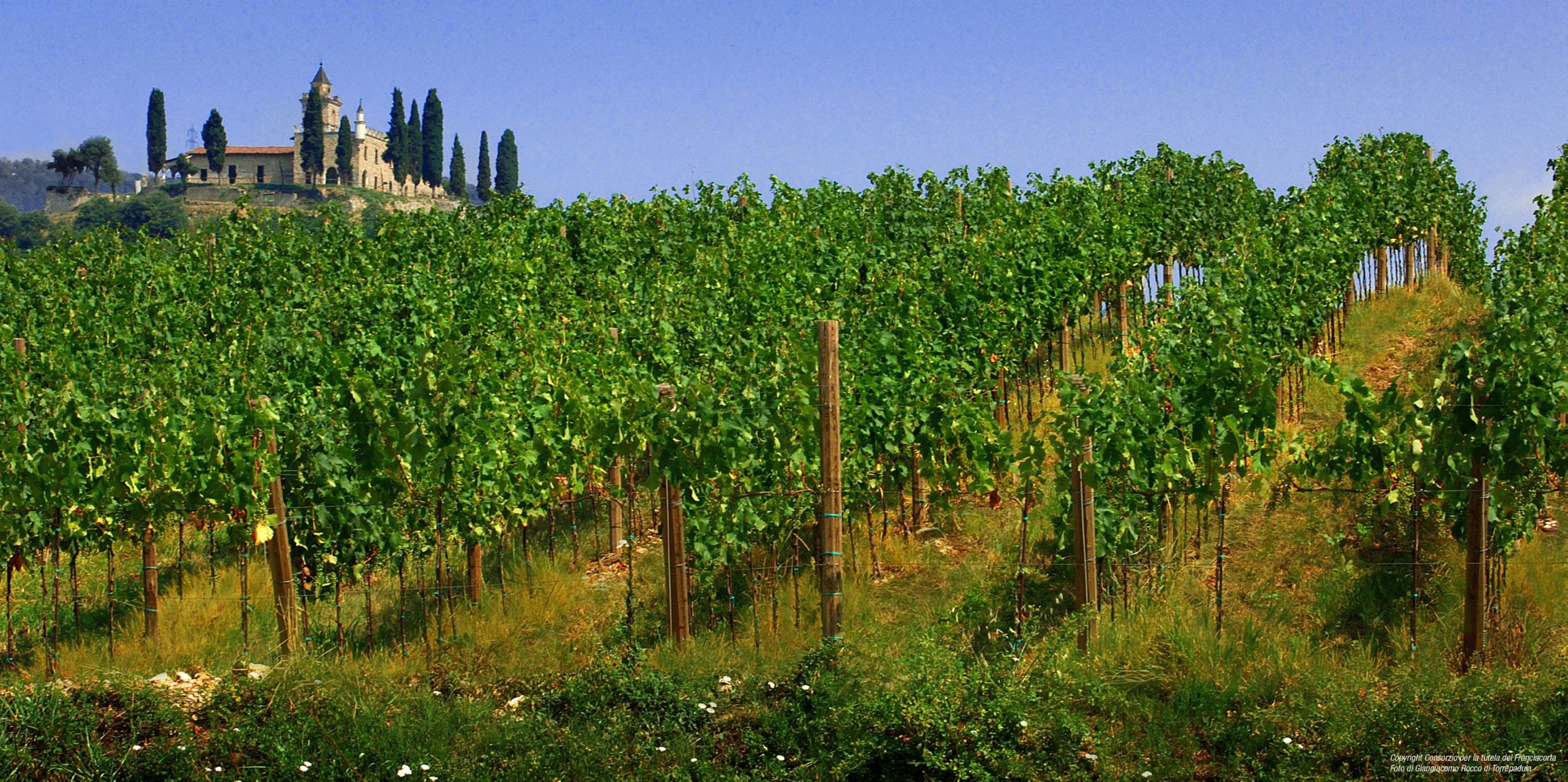
How is Franciacorta Quality Ensured for Foreign Buyers?
Franciacorta's quality is guaranteed by its stringent production regulations, which define the production conditions, analytical and organoleptic characteristics, and specific enological practices. This regulatory framework ensures that every bottle meets high standards, a crucial aspect for foreign buyers seeking reliable, high-quality products.
The European regulations, as stipulated by law, include the description of the main analytical and organoleptic characteristics, as well as specific enological practices and their restrictions. This regulatory framework guarantees that every bottle of Franciacorta meets high standards, a crucial aspect for foreign buyers seeking reliable, high-quality products.
What Do Foreign Buyers Look for When Purchasing Franciacorta?
Foreign buyers seek quality and reliability in Franciacorta, guaranteed by the rigorous DOCG regulations and the wine's history as the first Italian Classic Method sparkling wine to achieve DOCG status. They appreciate the territorial identity and the authentic narrative linked to passion, craftsmanship, and the specific production method.
The clear distinction from Prosecco (Charmat Method) is fundamental, as is the market and consumption potential, given Franciacorta's versatility. Buyers also assess the capacity for innovation while respecting tradition, appreciating the stylistic diversity among wineries that caters to different market preferences.
What are the Relevant European Regulations for Exporting Wines like Franciacorta?
European regulations governing wine production and labeling are fundamental for export. Among these, Regulation (EU) No 1308/2013 on the common organization of agricultural markets, and specific regulations on protected designations of origin and protected geographical indications, such as Regulation (EU) 2024/1143 and Regulation (EU) No 479/2008 on the common organization of the wine market, provide the legal framework.
These regulations define the production conditions, enological practices, product characteristics, and labeling rules to ensure the quality and authenticity of European wines in international markets.
FAQ
What is the main difference between Franciacorta and Prosecco for a foreign buyer?
The main difference lies in the production method: Franciacorta uses the Classic Method (secondary fermentation in the bottle), while Prosecco uses the Charmat Method (secondary fermentation in an autoclave). This gives Franciacorta greater complexity, finer bubbles, and aging potential.
Does the Franciacorta regulation allow the use of grapes other than Chardonnay, Pinot Noir, and Pinot Bianco?
No, the Franciacorta DOCG production regulation exclusively permits the use of Chardonnay, Pinot Noir, and Pinot Bianco grapes.
What are the advantages for an Italian winery to export Franciacorta?
Exporting Franciacorta offers the advantage of positioning oneself in a high-end market with a product recognized for its quality and rigorous regulations. Its uniqueness and international prestige attract foreign buyers seeking Italian excellence, opening opportunities for growth and brand enhancement.
Franciacorta DOCG represents an opportunity for excellence for Italian wineries looking to expand into international markets. Its intrinsic quality, strict regulations, and strong territorial identity are key elements for attracting foreign buyers.
Frequently Asked Questions
What is the main difference between Franciacorta and Prosecco for a foreign buyer?
The main difference lies in the production method: Franciacorta uses the Classic Method (secondary fermentation in the bottle), while Prosecco uses the Charmat Method (secondary fermentation in an autoclave). This gives Franciacorta greater complexity, finer bubbles, and aging potential.
Does the Franciacorta regulation allow the use of grapes other than Chardonnay, Pinot Noir, and Pinot Bianco?
No, the Franciacorta DOCG production regulation exclusively permits the use of Chardonnay, Pinot Noir, and Pinot Bianco grapes.
What are the advantages for an Italian winery to export Franciacorta?
Exporting Franciacorta offers the advantage of positioning oneself in a high-end market with a product recognized for its quality and rigorous regulations. Its uniqueness and international prestige attract foreign buyers seeking Italian excellence, opening opportunities for growth and brand enhancement.