Franciacorta DOCG: Discover the Excellence of Italian Classic Method Sparkling Wines
Wines Export Editorial · Last updated:
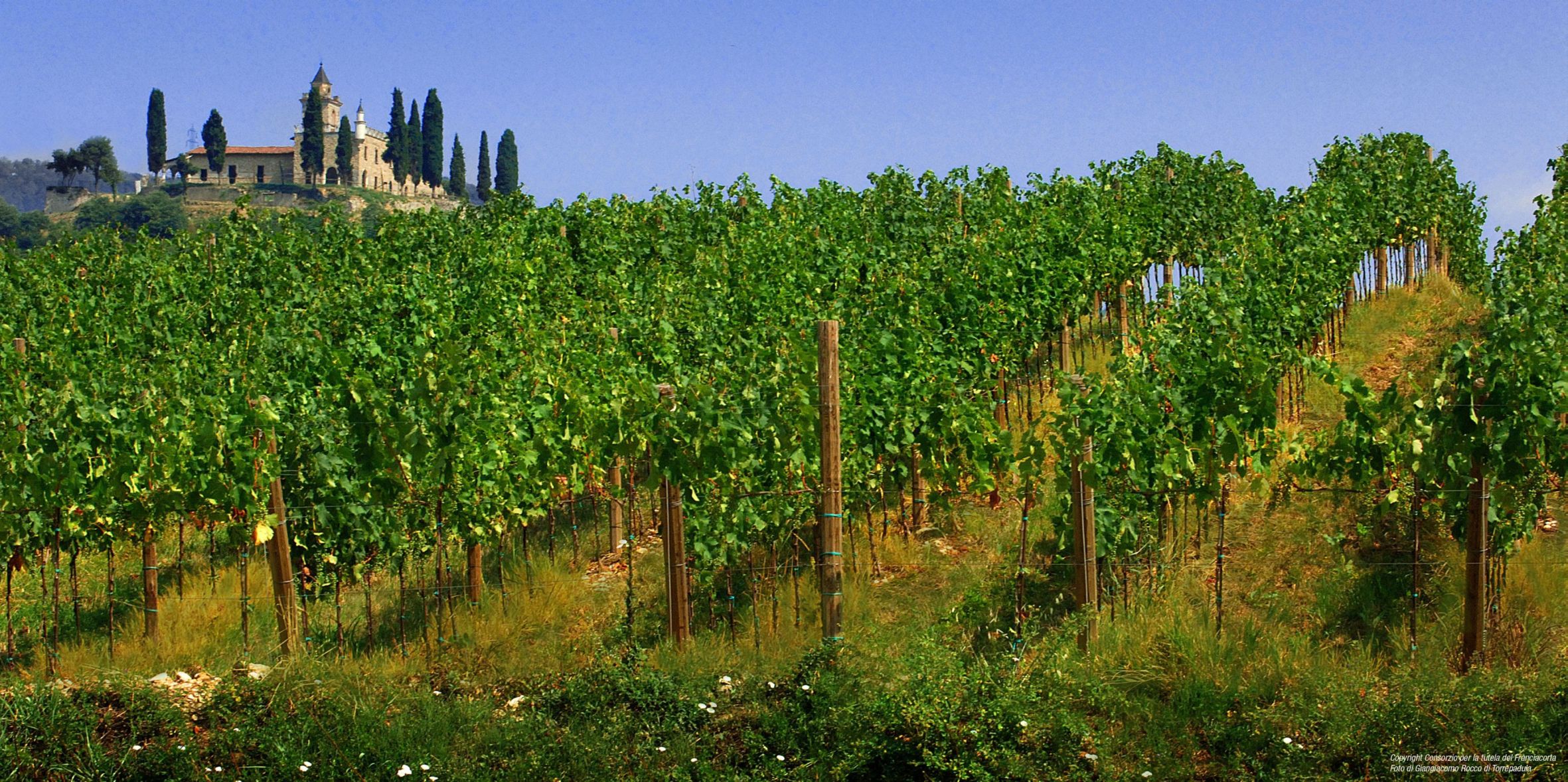
Franciacorta DOCG represents an Italian excellence in the world of Classic Method sparkling wines, standing out for its stringent regulations and production process that guarantee its uniqueness and quality. This sparkling wine, produced exclusively through bottle fermentation, has earned a prominent position in international markets, attracting the interest of foreign operators and buyers due to its distinctive characteristics and strong connection to its territory. Understanding the specifics of the regulations and the production method is crucial for anyone wishing to import or distribute this prestigious Italian wine. In-depth look: Federdoc — National Confederation of Italian Wine Denomination Protection Consortia.
What are the distinctive features of the Franciacorta DOCG regulations?
The Franciacorta DOCG regulations are among the most stringent worldwide for Classic Method sparkling wines. Introduced in 1995, they established the exclusive use of the name "Franciacorta" for Classic Method sparkling wines, separating them from still wines previously included in the eponymous DOC. This regulatory journey, which began in 1967 with the recognition of the Franciacorta DOC, has led to a regulatory framework that ensures identity and quality.
What types of Franciacorta DOCG exist?
The current regulations provide for three main types: Franciacorta, Franciacorta Satèn (characterized by lower pressure and greater softness), and Franciacorta Rosé. These are complemented by the Millesimato and Riserva designations, which indicate extended aging on the lees and greater aromatic complexity, offering various nuances to buyers.
What does the Classic Method of Franciacorta entail?
Franciacorta is the first Italian wine produced exclusively through bottle fermentation to achieve DOCG status. This process, also known as the Champenoise Method, involves a second fermentation that occurs directly in the bottle, followed by a long period of aging on the lees, imparting the wine with its characteristic bubbles and complexity.
What are the key stages in the Franciacorta production process?
The production process is long and artisanal. It includes mandatory manual harvesting, soft pressing of the grapes, the first fermentation, tirage for the second fermentation in the bottle, a period of aging on the lees (from 18 months for the basic to 60 for the Riserva), riddling (remuage) and disgorging, followed by dosage and final corking.
Why is Franciacorta appreciated by foreign buyers?
Foreign buyers appreciate Franciacorta for its consistent quality, guaranteed by the rigor of the regulations and the Classic Method. The uniqueness linked to the territory, its gastronomic versatility, and its prestigious image, reinforced by the ability to use the name without the word "spumante" (sparkling), make it a highly sought-after high-end product.
How does the Franciacorta Festival in the Cellar support foreign operators?
Events like the Franciacorta Festival in the Cellar offer foreign operators the opportunity to compare different interpretations of the same production method. This allows them to discern stylistic nuances between historic wineries and emerging realities, making it an invaluable experience for trade professionals.
Frequently Asked Questions
What types of Franciacorta DOCG are available for import?
The regulations provide for three main types: Franciacorta, Franciacorta Satèn (with lower pressure and greater softness), and Franciacorta Rosé. Millesimato and Riserva designations are also available, indicating extended aging on the lees.
What is the production process that makes Franciacorta DOCG unique?
Franciacorta is produced exclusively using the bottle fermentation method, also known as the Classic Method. This process includes manual harvesting, soft pressing, first fermentation, tirage for the second fermentation in the bottle, aging on the lees, riddling, disgorging, and dosage.
Why is Franciacorta DOCG considered a high-end product for the international market?
Franciacorta is appreciated by foreign buyers for its consistent quality, guaranteed by strict regulations and the Classic Method. Its territorial uniqueness, gastronomic versatility, and prestigious image make it a highly sought-after high-end product.