Vino Nobile di Montepulciano: Opportunities for the International Buyer
Wines Export Editorial · Last updated:
For Italian wineries targeting export markets, Vino Nobile di Montepulciano DOCG presents a concrete opportunity to stand out internationally. A deep understanding of its production regulations, distinctive characteristics, and the expectations of foreign buyers is the first step towards building a successful strategy. This article analyzes the fundamental aspects of Nobile di Montepulciano, focusing on crucial information for those wishing to import this prestigious Tuscan wine. Learn more: Federdoc - National Confederation of Consortia for the Protection of Italian Wine Designations.
What are the Production Regulation Requirements for Vino Nobile di Montepulciano?
The production regulations define the precise rules for obtaining the DOCG designation, guaranteeing the authenticity and quality of Vino Nobile di Montepulciano. They establish the permitted grape varieties, cultivation areas, yields per hectare, and the organoleptic characteristics the wine must possess before being released to the market.
What Grape Varieties Make Up Vino Nobile di Montepulciano, and What is the Production Area?
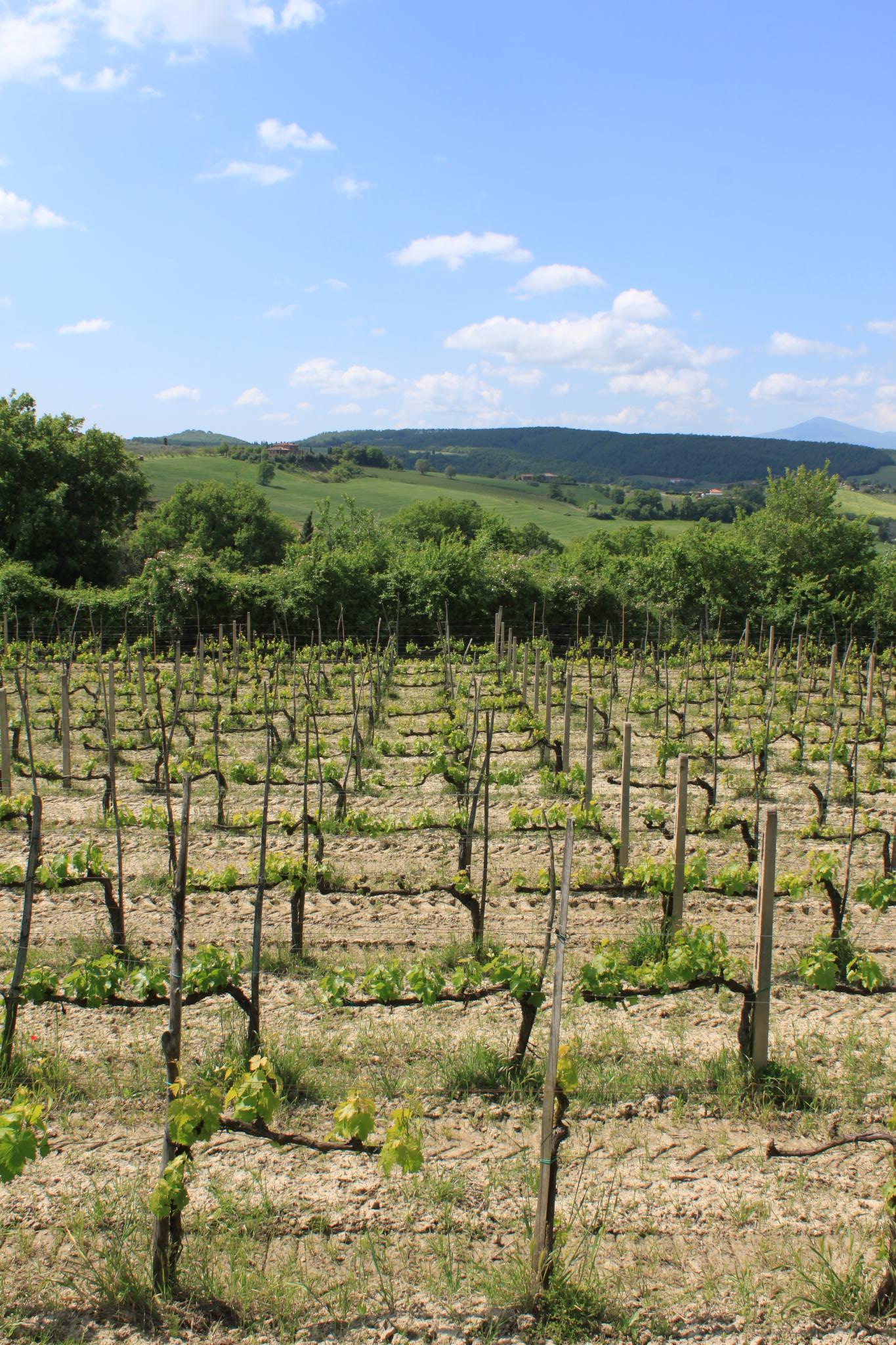
Vino Nobile di Montepulciano must be produced primarily from Sangiovese (Prugnolo Gentile) for at least 70%. Canaiolo Nero can be added up to 20%, along with other recommended or authorized grape varieties for the province of Siena, with a limit of 10% for white berry grapes and the exclusion of aromatic grape varieties, except for Malvasia del Chianti. The production area is exclusively the municipality of Montepulciano, in the province of Siena, at altitudes between 250 and 600 meters above sea level. The minimum planting density is 3,330 vines/ha, with a maximum yield of 8 tons/ha.
What are the Organoleptic Characteristics and Aging Requirements for Nobile di Montepulciano?
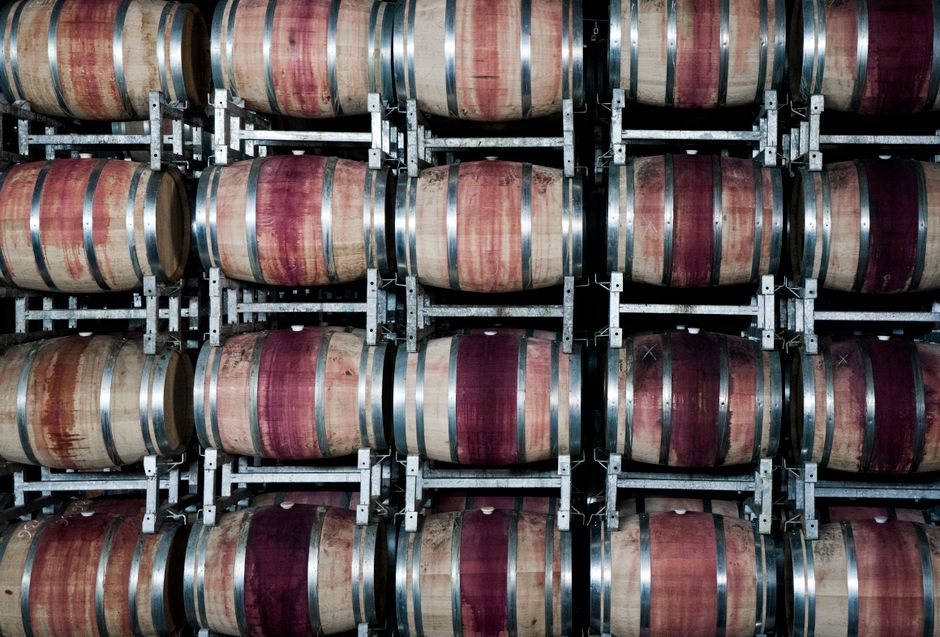
Vino Nobile di Montepulciano exhibits a ruby color that tends towards garnet with age, an intense and ethereal bouquet, and a dry, balanced, and persistent taste, with possible notes of wood. The minimum volumetric alcohol content is 12.50% vol (13.00% vol for Riserva). The minimum total acidity is 4.5 g/l, and the minimum net dry extract is 23 g/l. The wine requires a maturation period of at least two years starting from January 1st following the harvest, with various aging options in wood and/or bottle.
What are the Labeling and Packaging Regulations for Vino Nobile di Montepulciano?
The production regulations prohibit non-stipulated qualifications such as "fine" or "selected" on the label. Company names and private brands are permitted, provided they are not misleading. The indication of the production vintage is mandatory. Vino Nobile di Montepulciano must be exclusively packaged in dark glass Bordeaux-style bottles, with a capacity not exceeding 5 liters, and sealed with a cork stopper.
What Do International Buyers Look for in Vino Nobile di Montepulciano?
International buyers seek authenticity linked to the Tuscan territory, consistent quality guaranteed by the DOCG regulations, and gastronomic versatility in Vino Nobile di Montepulciano. They appreciate wines with good aging potential and a competitive quality-price ratio, elements that facilitate their commercialization in their respective markets.
What Export Opportunities Does Vino Nobile di Montepulciano Offer Italian Wineries?
Italian wineries can leverage the strong identity of Vino Nobile di Montepulciano by communicating compliance with the production regulations and highlighting the Riserva type. Storytelling of the Tuscan territory, combined with transparent and trustworthy communication (E-E-A-T), can build solid relationships with importers. Participation in sector trade fairs is fundamental for meeting buyers and negotiating commercial agreements.
Frequently Asked Questions
What is the minimum percentage of Sangiovese in Vino Nobile di Montepulciano?
Vino Nobile di Montepulciano must be primarily obtained from Sangiovese grapes, locally known as Prugnolo Gentile, for at least 70%.
What is the production area for Vino Nobile di Montepulciano?
The grape production area is strictly limited to the administrative territory of the municipality of Montepulciano, in the province of Siena.
How long must Vino Nobile di Montepulciano mature before being released for consumption?
The wine must undergo a maturation period of at least two years starting from January 1st following the harvest.
Vino Nobile di Montepulciano DOCG, with its rich history and strict production regulations, represents an excellent opportunity for Italian wineries aiming to establish themselves in international markets. A well-defined export strategy, emphasizing authenticity, quality, and connection to the territory, is key to winning the trust of foreign buyers.
- Oltrepò Pavese: Regulations and Opportunities for Importers
- Moscato di Scanzo DOCG: Winery Export Guide
- Friulian Passito: Regulations and Export Opportunities
- Moscato d'Asti DOCG vs Asti Spumante: What Buyers Should Know
- Piedmontese Wines: Importers and Regulations
- Morellino: Price, Regulations, Foreign Buyers