Moscato d'Asti DOCG: All the Information for International Distributors
Wines Export Editorial · Last updated:
Moscato d'Asti DOCG is a sweet and aromatic wine, appreciated globally for its lightness and its unmistakable fruity and floral notes. Produced exclusively from Moscato Bianco grapes, this wine captivates international palates with its distinctive organoleptic profile and low alcohol content. This article explores the salient characteristics of the appellation, analyzing its production regulations and its international market potential, offering essential guidance for international buyers interested in this excellent Italian wine. Further Reading: Federdoc — National Confederation of Italian Wine Denomination Protection Consortia.
What are the Origins and Territory of Moscato d'Asti DOCG?
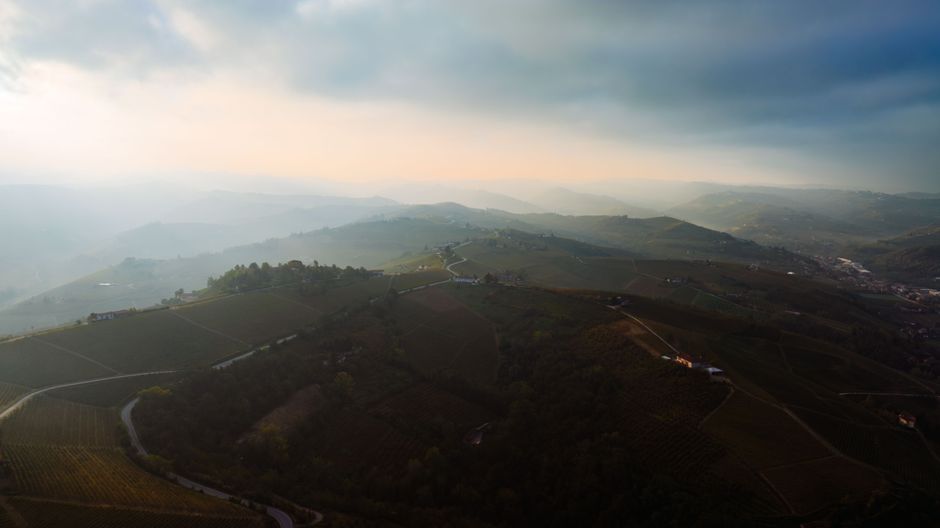
Moscato d'Asti DOCG originates from Piedmont, a region with a long winemaking tradition. The provinces of Asti, Alessandria, and Cuneo are the beating heart of this production, where the Moscato Bianco grape finds the ideal conditions to express its full potential.
Its recognition as a DOC dates back to 1967, later elevated to DOCG in 1993. Internationally, Moscato d'Asti has been registered as a designation of origin with the World Intellectual Property Organization (WIPO) since 2015.
What are the Distinctive Characteristics of Moscato d'Asti DOCG?
Moscato d'Asti stands out for being a sweet and only lightly sparkling (frizzante) wine, with a lower alcohol content compared to Asti Spumante. This difference profoundly alters its organoleptic profile and occasions for consumption.
Its aromatic profile is characterized by intense notes of ripe fruit (peach, apricot, citrus) and flowers (orange blossom, sage).
What are the Rules of the Moscato d'Asti DOCG Production Regulations?
The production regulations guarantee the authenticity, quality, and traceability of Moscato d'Asti DOCG, defining precise rules for producers.
Which Grape Varieties are Allowed, and What are the Characteristics of the Production Territory?
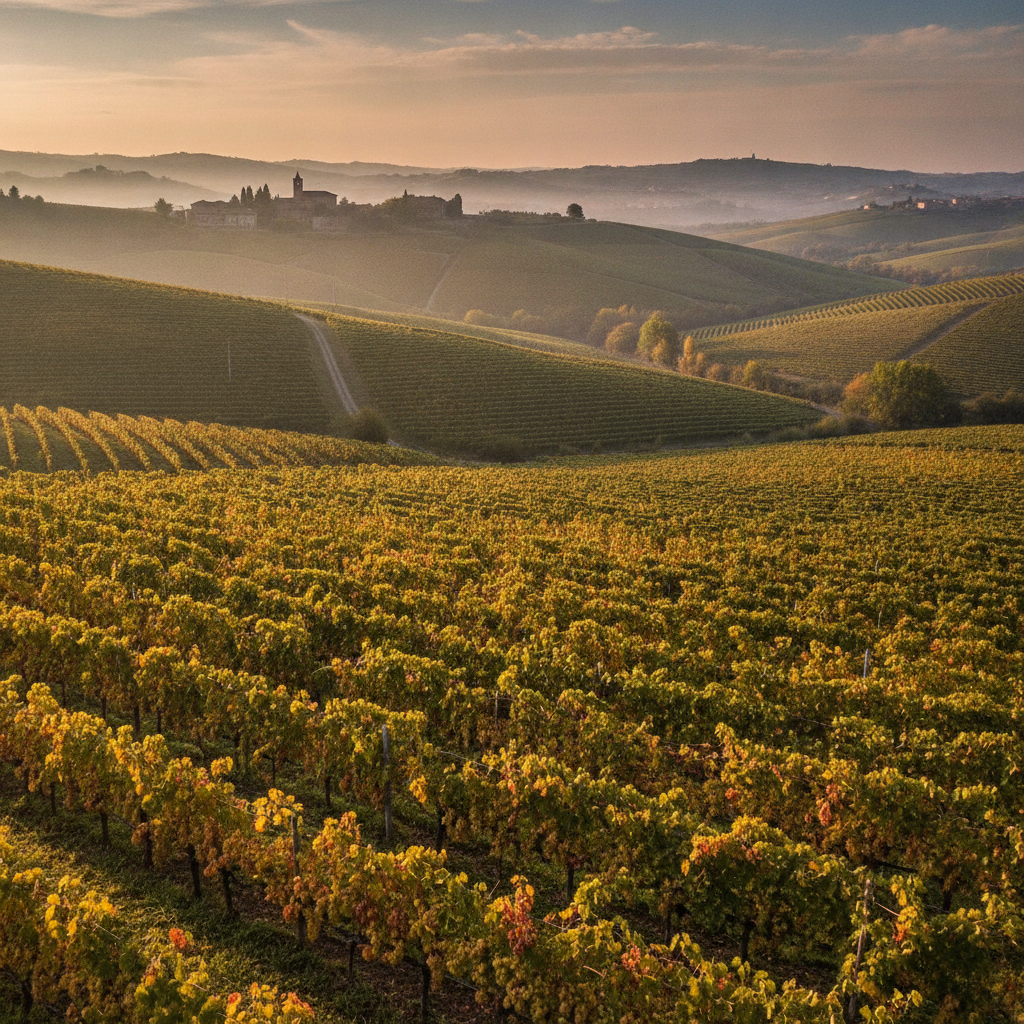
Moscato d'Asti DOCG is produced exclusively from Moscato Bianco (Vitis vinifera) grapes, 100%. The production area is confined to 17 municipalities, with a particular focus on Canelli. The regulations select suitable land, favoring sunny slopes ("sorì") and specific soils composed of Astian sands resting on marly clays. The minimum altitude is set at 165 meters above sea level and the maximum at 500 meters.
What are the Enological Practices and Wine Characteristics?
The regulations impose lower yields for greater concentration in the grapes. The harvest must be exclusively manual. Vinification takes place using the Martinotti method (or Charmat), which preserves the aromatic qualities of Moscato Bianco. The wine is sweet, with an alcohol content ranging between 4.5% and 6.5% vol. The sweetness is maintained through a filtration process that halts fermentation.
The mention Riserva is provided for a minimum aging period of 30 months, and the mention Vigna to highlight specific cru vineyards and particularly suitable plots.
How Does Moscato d'Asti Differ from Asti Spumante DOCG?
It is crucial to reiterate the differences from Asti Spumante DOCG, despite sharing the same geographical area and grape variety. Asti Spumante is fully sparkling, while Moscato d'Asti is only lightly sparkling. Moscato d'Asti has a lower alcohol content (maximum 6.5%) compared to Asti Spumante (6%-9.5%). Moscato d'Asti is generally sweeter and less structured, ideal for desserts.
Are There Any New Types or Related Designations?
The production regulations have evolved with the introduction of the Asti Rosé type, obtained from a blend of Moscato and Brachetto grapes. Furthermore, the sub-zone of Canelli obtained its own autonomous designation of origin (Canelli DOCG) in 2023, emphasizing its qualitative uniqueness.
Why is Moscato d'Asti Interesting for International Buyers?
Moscato d'Asti DOCG enjoys strong international appeal for several reasons, making it a strategic choice for foreign buyers.
- Aromatic Profile and Sweetness: Its natural sweetness and intense aromatic notes make it extremely pleasant and approachable. It pairs perfectly with desserts, dry pastries, fresh fruit, and blue cheeses, but is also appreciated as an aperitif or digestif.
- Low Alcohol Content: Its light alcohol content makes it an ideal choice for those seeking a less challenging wine, suitable for various consumption occasions and lighter than other sweet or sparkling wines.
- DOCG Recognition and Made in Italy: The DOCG classification is a globally recognized seal of quality, synonymous with Italian excellence. International buyers associate "Made in Italy" with high-quality wines, tradition, and authenticity.
- Versatility and Innovation: The introduction of new types like Asti Rosé and the valorization of sub-zones like Canelli demonstrate the appellation's ability to evolve and respond to market demands, offering variety and innovation.
- Export Potential: Moscato d'Asti is among the most exported Italian wines, indicating established demand and a significant presence in international markets, facilitating entry for new buyers.
What is Wines Export's Role in Supporting Moscato d'Asti Exports?
Our pool of partner wineries
Frequently Asked Questions
What are the Italian provinces where Moscato d'Asti DOCG is produced?
Moscato d'Asti DOCG is primarily produced in the provinces of Asti, Alessandria, and Cuneo, in Piedmont. These areas offer ideal conditions for growing the Moscato Bianco grape.
What are the typical aromatic characteristics and alcohol content of Moscato d'Asti DOCG?
Moscato d'Asti is distinguished by intense notes of ripe fruit such as peach and apricot, and flowers like orange blossom and sage. Its alcohol content is moderate, between 4.5% and 6.5% vol.
What are the main differences between Moscato d'Asti DOCG and Asti Spumante DOCG?
Asti Spumante is fully sparkling, while Moscato d'Asti is only lightly sparkling. Furthermore, Moscato d'Asti has a lower alcohol content (maximum 6.5%) compared to Asti Spumante (6%-9.5%) and is generally sweeter and less structured.