Primitivo di Manduria DOC/DOCG: A Comprehensive Guide to Understanding Price and Regulations
Wines Export Editorial · Last updated:
For Italian wineries aiming for export, Primitivo di Manduria represents a strategic opportunity. Understanding its regulations, unique characteristics, and the expectations of foreign buyers is crucial for successful positioning in the global market. This red wine, with a millennia-old history, offers a distinct personality and a competitive price point – key elements for attracting international importers seeking authenticity and quality. Let's analyze in detail what makes Primitivo di Manduria a winning choice for export. Further information: Federdoc — National Confederation of Consortia for the Protection of Italian Wine Denominations.
What are the Variations of Primitivo di Manduria?
Primitivo di Manduria comes in several versions, each with specificities that define its prestige and character. The main recognized denominations are Primitivo di Manduria DOC, the Riserva DOC version requiring prolonged aging, and Primitivo di Manduria Dolce Naturale DOCG, the most prestigious.
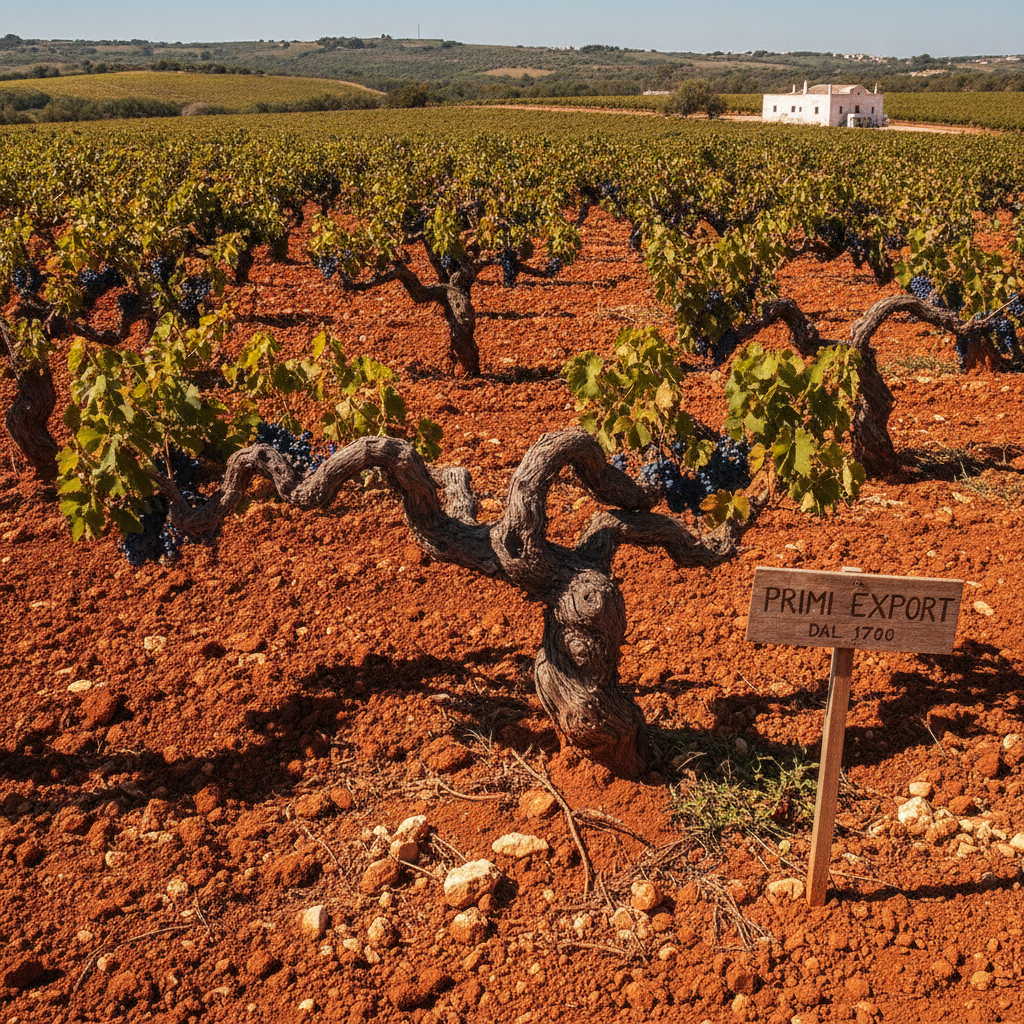
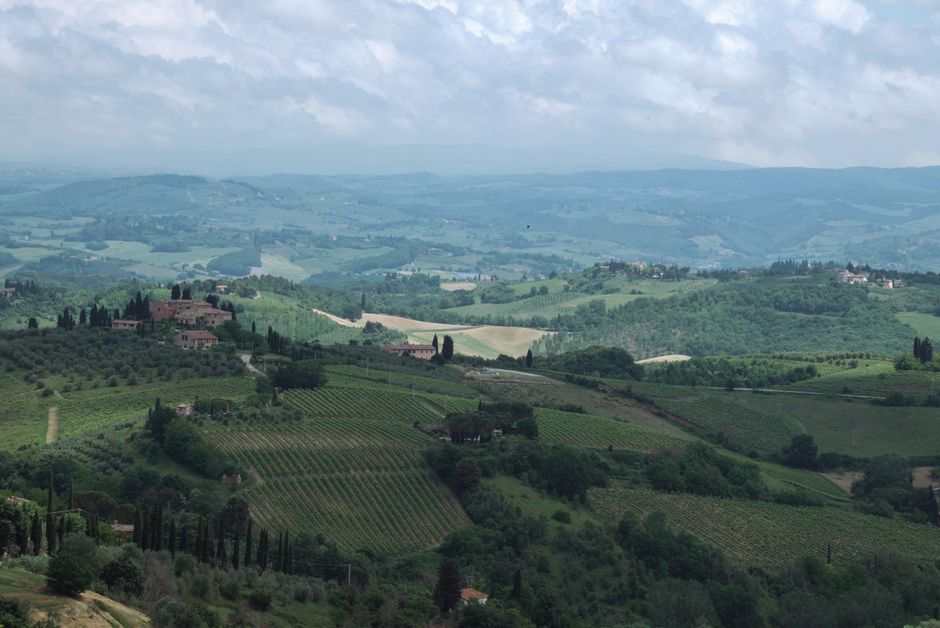
The production area, located between the province of Taranto and some municipalities in Brindisi, is a unique landscape with vineyards, olive groves, and historic farmhouses. The alberello cultivation method and proximity to the sea influence the characteristics of the grape varietal and the grapes, imparting a strong territorial identity to the wine.
How is the Use of the Name "Primitivo di Manduria" as an Ingredient Regulated?
The Protection Consortium has established precise rules for the use of the name "Primitivo di Manduria" as an ingredient. It must represent a "significant and characterizing" component of the final product, with the percentage indicated on the label. Marginal or promotional use is not permitted.
Labeling requires the name to appear in smaller characters, enclosed in quotation marks, and accompanied by the designation Doc or Docg, without the use of the official PDO logos. This ensures transparency and avoids consumer confusion.
What are the Characteristics of the Primitivo Grape Varietal and Its Resulting Wine?
The Primitivo grape varietal is known for its limited yield, which promotes a high concentration of qualitative substances in the grapes. Natural drying on the vine, more pronounced in older vineyards, further concentrates polyphenols, anthocyanins, and sugars.
This process contributes to the typical significant alcohol content, intense color, and remarkable structure of the wine. On the nose, it offers intense and ripe fruit, with notes of plum and cherry, and hints of Mediterranean scrub. On the palate, it is rich, warm, and deep, with enveloping fruity aromas and surprising persistence.
What is the Average Price of Primitivo di Manduria and What Are the Market Trends?
The average price for a bottle of Primitivo di Manduria stands at around €8.69, a stable value that reflects its quality and denomination. This positioning makes it accessible yet recognized for its quality.
Sales of denomination wines in Italy show significant growth for Primitivo di Manduria, with a +65% increase among red wines. This success is particularly driven by the male segment and younger generations, including those under 40.
What Do Foreign Buyers Look for in Primitivo di Manduria?
International importers seek wines with good value for money, distinctive characteristics, and an authentic story. Primitivo di Manduria meets these needs thanks to the recognizability of its DOC/DOCG denomination, its intense and warm aromatic profile, and its versatility.
The competitive price of approximately €8.69 makes it an attractive option. Furthermore, the narrative of the Apulian territory, ancient farming practices, and modern winemaking techniques are strong appeal factors for curious foreign consumers.
What is the Role of the Primitivo di Manduria Protection Consortium?
The Protection Consortium plays a crucial role in enhancing and promoting the denomination. It coordinates the functions of protection, promotion, surveillance, and consumer information, ensuring "Erga Omnes" recognition for the DOC and DOCG.
This collective effort contributes to the growing perception of Primitivo di Manduria and its establishment in international markets, supporting wineries in their export endeavors.
Frequently Asked Questions
What are the requirements for the Primitivo di Manduria DOCG denomination?
The Primitivo di Manduria Dolce Naturale DOCG denomination further elevates the prestige of the wine, often intended for more refined consumption or as a meditation wine.
What are the characteristics of the Primitivo di Manduria production area?
The production area is primarily located in the province of Taranto and some municipalities in the province of Brindisi, characterized by vineyards, olive groves, dry stone walls, and historic farmhouses.
How does natural drying on the vine affect Primitivo di Manduria wine?
Natural drying on the vine further concentrates polyphenols, anthocyanins, and sugars, contributing to the typical significant alcohol content, intense color, and remarkable structure of the wine.
For wineries looking to expand their international presence with Primitivo di Manduria, it is essential to fully understand the dynamics of this market and the needs of foreign buyers.