Roero Langhe: Production Regulations and International Markets for Wine
Roero Langhe offers a strategic opportunity for Italian wineries targeting export. A deep understanding of its appellation, production regulations, and the expectations of foreign buyers is crucial for expanding presence in global markets. This article explores the distinctive characteristics of Roero Langhe, the regulations governing its production, and the opportunities this appellation presents to international wine professionals, providing a clear guide for commercial success. Learn more: Federdoc — National Confederation of Italian Wine Protection Consortia.
What are the characteristics of the Roero Langhe territory?
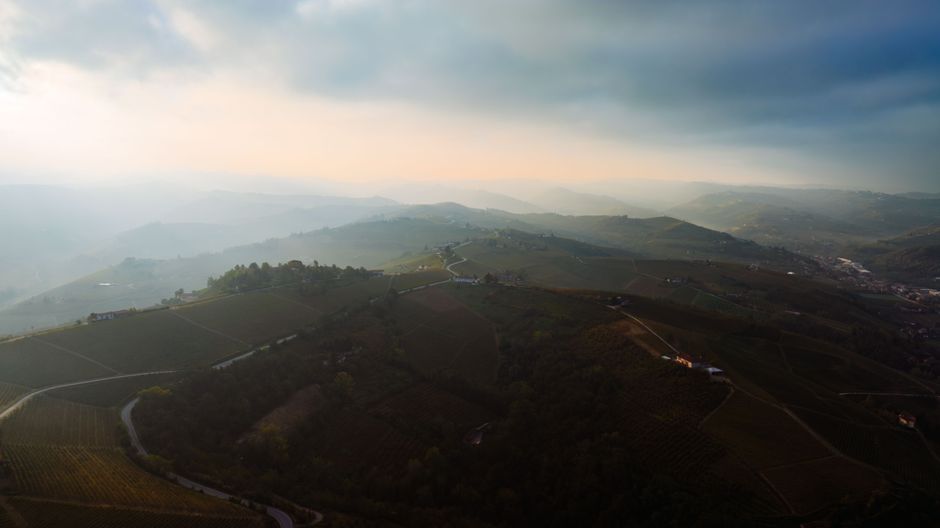
Roero, located in the province of Cuneo, is a unique foothill area sculpted by the Tanaro and Borbore rivers. Its geographical conformation, favorable microclimate, and sandy and calcareous soils create ideal conditions for indigenous grape varietals like Nebbiolo and Arneis.
What are the main grape varietals in Roero Langhe?
Nebbiolo is the principal grape for Roero's red wines, known for complexity, elegance, and longevity. Arneis is the indigenous grape for white wines, appreciated for freshness, floral and fruity aromas, and minerality.
How does the production regulation guarantee the quality of Roero Langhe wines?
The production regulation precisely defines cultivation areas, permitted grape varieties, and oenological practices. This ensures the quality, authenticity, and specific characteristics of the wines, as stipulated by European regulations, guaranteeing the integrity of the appellation.
What are the key elements of a production regulation?
Key elements include the appellation name, categories of wine products (e.g., still reds, still whites), description of analytical and organoleptic characteristics, specific oenological practices (winemaking, aging, minimum aging periods), and the delimitation of the geographical production area.
Where can the production regulations for Italian wines be consulted?
Production regulations can be consulted on institutional websites, such as that of the Ministry of Agricultural, Food and Forestry Policies, or through dedicated platforms for agri-food quality, ensuring transparency and accessibility.
What do foreign buyers look for in Roero Langhe wines?
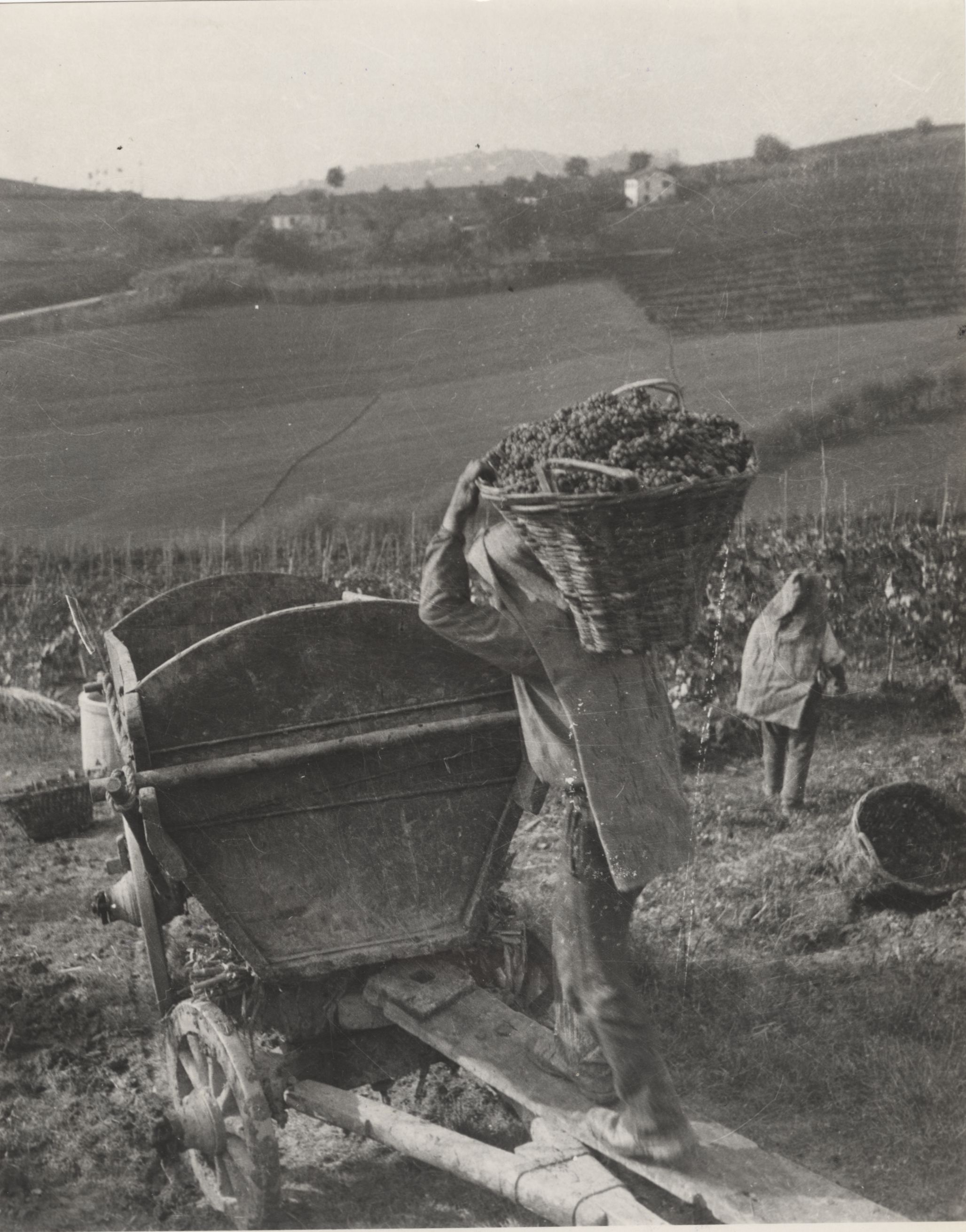
International buyers seek high-quality wines, authenticity, a connection to the territory, and market potential. The qualitative consistency guaranteed by the production regulation, the territory's history, and the ability to stand out from the competition are crucial factors in their purchasing decisions.
How do quality and consistency influence buyers' choices?
The assurance offered by the production regulation is fundamental. Buyers expect wines to adhere to defined characteristics, delivering a consistent and high-level sensory experience, with positive signals for the most demanding markets.
Why are authenticity and connection to the territory important for buyers?
Foreign markets are increasingly interested in wines that tell a story. Roero Langhe, with its centuries-old history, indigenous grape varieties, and unique landscape, offers a strong narrative element, viewed as a treasure of Piedmontese winemaking.
What other factors do foreign buyers consider?
Buyers assess the demand for a specific appellation in their market, a wine's ability to differentiate itself from competitors, and to offer good value for money. They also appreciate wineries that know how to innovate while remaining faithful to the territory's identity.
How does Wines Export support Roero Langhe wineries in exporting?
Wines Export collaborates with numerous Italian wineries, including those from Roero Langhe, connecting these excellences with international buyers. We offer comprehensive support, from understanding international regulations to marketing and distribution strategies, enhancing the potential of appellations like Roero Langhe.
Frequently Asked Questions
Is Roero Langhe a recognized appellation in Europe?
Yes, Roero Langhe is a recognized appellation, subject to European regulations governing designations of origin and geographical indications, ensuring standards of quality and authenticity.
What are the main differences between Roero red and Roero white?
Roero red is produced primarily from Nebbiolo and is distinguished by its complexity and aging potential. Roero white, made from Arneis, is appreciated for its freshness and floral and fruity aromas.
Is it possible to produce rosé or sparkling wines under the Roero appellation?
The production regulation defines the categories of wine products permitted. Flexibility in adopting terms like 'rosé' may be possible, reflecting consumer usage, but always in compliance with specific regulations.
Roero Langhe represents an excellence in the Italian wine landscape, with strong growth potential in international markets. Understanding and respecting its production regulation, combined with a targeted export strategy, is the key to best valorizing these unique wines.