Recioto di Soave: Rules and Opportunities for Import and Overseas Sales
Wines Export Editorial · Last updated:
Recioto di Soave, an Italian passito wine, represents an enological excellence with a centuries-old history and a territory dedicated to quality viticulture. Understanding its regulations, its organoleptic peculiarities, and market dynamics is fundamental for wineries wishing to expand their presence in international markets. This article explores the key aspects of Recioto di Soave, analyzing what foreign buyers are looking for and the potential of this wine in the export landscape, offering an essential guide for those operating in the B2B sector. In-depth analysis: Federdoc — National Confederation of Consortia for the Protection of Italian Wine Denominations.
What are the key elements of a production regulation for wines with a denomination of origin?
The production regulation is the technical document that defines and protects the identity of a wine with a denomination of origin. It includes the name of the denomination, the description of the analytical and organoleptic characteristics, specific enological practices, the delimitation of the geographical area, maximum yields per hectare, and the permitted grape varieties. This ensures the final product complies with market expectations and current regulations, protecting the denomination from imitations.
How do production regulations protect the denomination of origin?
The regulation, as stipulated by Regulation (EU) No. 1308/2013, is the document that ensures the wine meets market expectations and regulations. It protects the denomination from fraudulent usurpation, imitation, or evocation, ensuring transparency and rigor, essential elements for building and maintaining the trust of international buyers.
What does the mention "Recioto" mean and where does it derive from?
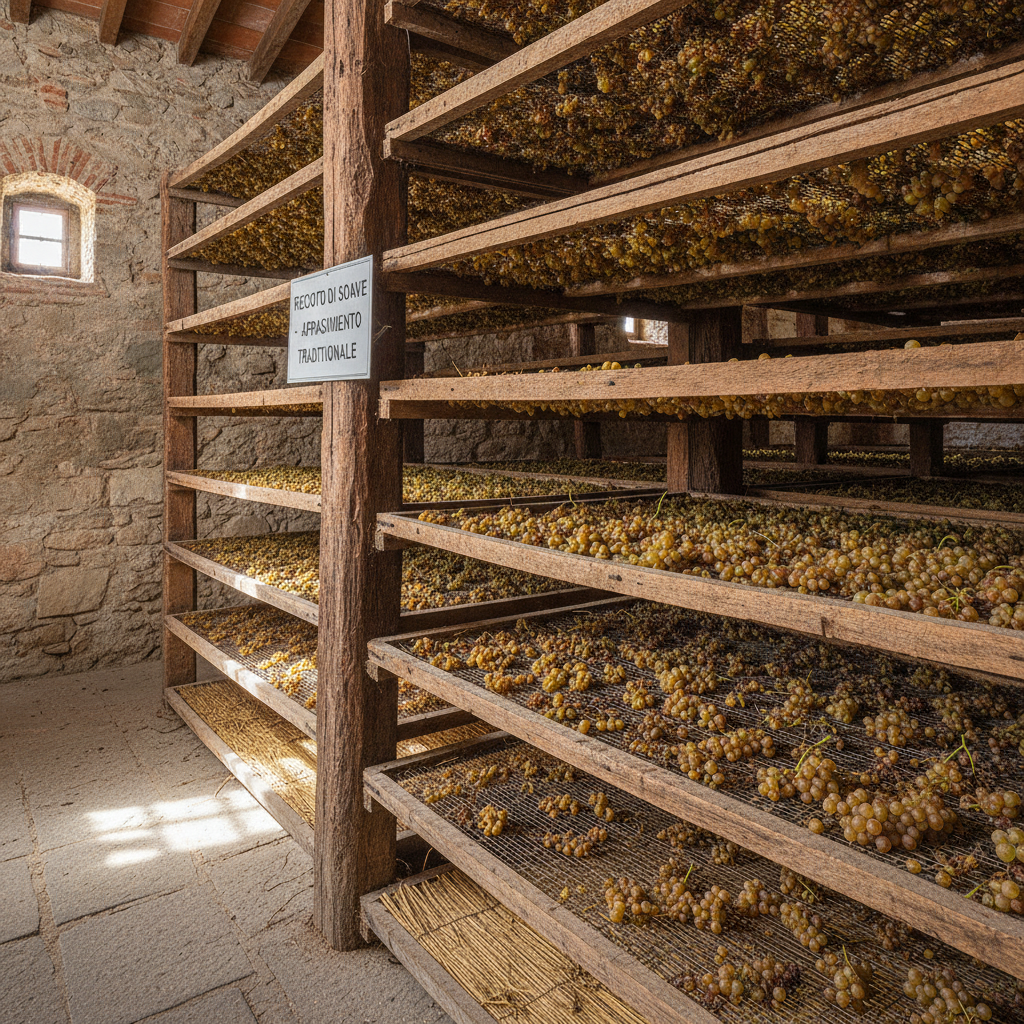
The term "Recioto" is a traditional historical mention linked to specific wines with a denomination of origin, obtained through the drying of grapes. As reported in Regulation (EU) No. 607/2009, it is associated with Venetian wines such as Valpolicella, Gambellara, and Recioto di Soave. The origin of the term dates back to ancient Rome and "Rezia," an area that included the province of Verona and Trento.
What are the distinctive characteristics of the "Recioto" production method?
The "Recioto" production method involves the drying of grapes, a practice that gives the wine unique characteristics. This process leads to an intense color, complex aromas of ripe fruit, honey, and spices, and a sweetness balanced by good acidity. It is a decisive element for the quality and prestige of wines such as Recioto di Soave.
How does the Giahs recognition of the Soave Hillside Vineyards enhance the wine?
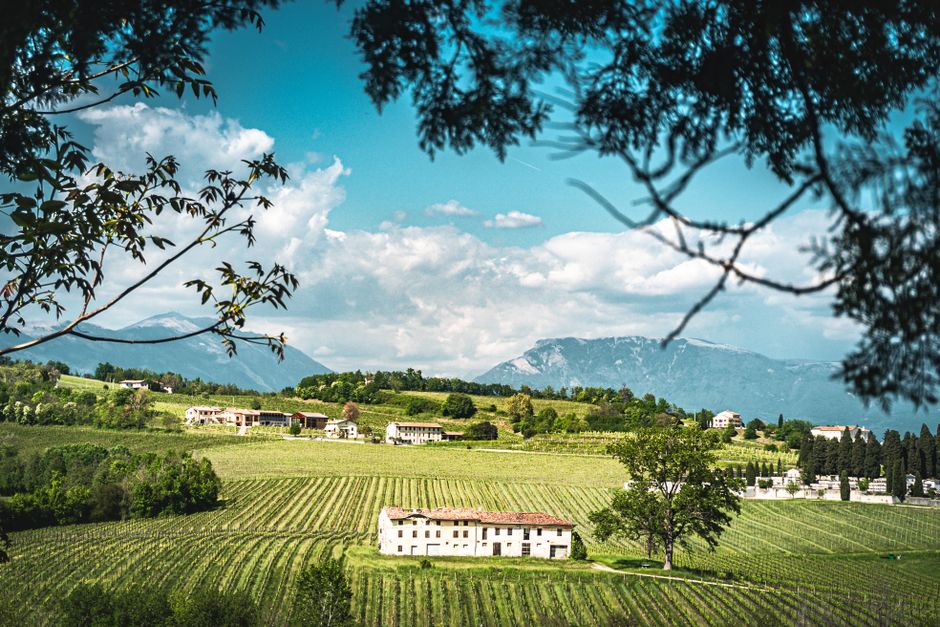
Since May 2023, the Soave Hillside Vineyards have been recognized by the FAO as a Globally Important Agricultural Heritage System (GIAHS). This recognition highlights the importance of traditional cultivation systems and the integration between viticulture and the territory, contributing to defining the unique identity of Soave and its Recioto, adding a further layer of prestige and uniqueness.
What is the role of the Garganega grape variety in Recioto di Soave?
The predominance of Garganega, an indigenous grape variety of the Veneto region, gives Recioto di Soave a distinctive character compared to other international sweet wines. This grape variety, along with the viticultural landscape recognized by the FAO, contributes to defining the wine's unique identity.
What are the attributes of Recioto di Soave that attract foreign buyers?
International buyers seek authenticity, tradition, quality, and uniqueness. Recioto di Soave offers these attributes thanks to its centuries-old history, traditional production method, the rigor of its regulations, the uniqueness of the Garganega grape variety, and the recent GIAHS recognition. Its pairing potential with cheeses, foie gras, and dry pastries is an additional strength.
What are the main challenges and opportunities for Recioto di Soave exports?
Challenges include production fragmentation and competition with other international sweet wines. However, opportunities are significant due to the growing demand for niche, high-quality wines with a strong territorial identity. Wineries that effectively communicate the history and peculiarities of their Recioto can achieve excellent results, targeting markets that value authenticity.
Frequently Asked Questions
How can I verify the compliance of a Recioto di Soave with European regulations?
The compliance of a Recioto di Soave with European regulations is guaranteed by its production regulation, a technical document that specifies the production conditions and characteristics of the wine, in line with Regulation (EU) No. 1308/2013.
What are the most receptive foreign markets for high-end Italian passito wines like Recioto di Soave?
The text does not specify precise foreign markets, but indicates that wineries should target markets that value authenticity and quality, and that there are importers interested in high-end Italian passito wines or denominations with a strong territorial link.
Besides desserts, with what other foods does Recioto di Soave pair well?
Recioto di Soave, with its aromatic complexity and structure, also offers interesting pairings with blue cheeses, foie gras, and candied fruits, as well as with dry pastries.
Recioto di Soave is a wine that embodies history, territory, and a traditional production method. Its rigorous regulations, unique organoleptic characteristics, and the recent GIAHS recognition for the Soave viticultural landscape make it a product of great interest for international markets. Italian wineries focusing on exports should consider Recioto di Soave as an opportunity to offer foreign consumers an authentic and high-quality wine experience, capable of standing out in the global competitive landscape.