Valpolicella Ripasso: Regulations, Characteristics, and Opportunities for International Trade
Wines Export Editorial · Last updated:
For Italian wineries aiming for export, a thorough understanding of the specifics of Valpolicella Ripasso, its production regulations, and the expectations of foreign markets is essential for commercial success. This article explores the salient characteristics of this esteemed Venetian wine, analyzing its production regulations and outlining what international buyers are looking for. Valpolicella Ripasso represents a strategic opportunity for those wishing to offer a distinctive, high-quality product capable of meeting the demands of an increasingly discerning global audience that values authenticity and territorial value. Learn more: Federdoc — National Confederation of Italian Wine Protection Consortia.
What are wine production regulations and why are they important for export?
Wine production regulations are the identity card of an appellation, defining the rules that guarantee its authenticity and quality. For Valpolicella Ripasso, as for other Protected Designation of Origin (PDO) appellations, it is crucial for the protection and promotion of the product in global markets, allowing interested parties to verify the production conditions related to the appellation.
The regulations include essential elements such as the appellation name ("Valpolicella Ripasso"), the categories of wine products permitted, the type of geographical indication (PDO), a detailed description of the analytical and organoleptic characteristics, and specific oenological practices with any restrictions. Amendments to the regulations follow regulated procedures to ensure they do not alter the link between the product and its territory of origin.
How are amendments to wine production regulations managed?
Amendments to regulations are classified as "Union amendments," which are more significant and require a European procedure, and "ordinary amendments," managed at the national or third-country level. These changes can relate to the evolution of scientific and technical knowledge or the revision of the geographical area, but they must always preserve the link between the product and its territory of origin and not impose unjustified restrictions on marketing.
What are the recent production containment policies for Valpolicella?
For Valpolicella, including Ripasso, a reduction in the maximum total yield of grapes permitted per hectare to ten tons, down from the previous twelve, has been formalized. This measure, along with a three-consecutive-vintage planting freeze (from 2025 to 2028), aims to maintain the balance and profitability of the entire Valpolicella wine supply chain, safeguarding the appellation's growth through forward-looking policies.
What is the distinctive production process of Valpolicella Ripasso?
The name "Ripasso" derives from its unique production method: after the fermentation of the base Valpolicella wine, the pomace remaining from the production of Amarone and Recioto is reused for a second fermentation (ripasso) with the young wine. This process lends Valpolicella Ripasso greater aromatic complexity, a more robust structure, a more intense color, and increased longevity compared to the base Valpolicella.
What are the typical organoleptic characteristics of Valpolicella Ripasso?
Typical organoleptic characteristics include notes of ripe red fruit (cherry, plum), spicy hints, a full body, and a persistent finish. Its structure and complexity make it a versatile wine, capable of accompanying a wide range of dishes, from red meat to aged cheeses, offering a rich and satisfying tasting experience.
What do foreign buyers look for in a wine like Valpolicella Ripasso?
International buyers seek wines that offer excellent value for money, a strong territorial identity, and a compelling story. Valpolicella Ripasso meets these demands thanks to its unique production method, compliance with regulations that guarantee consistent quality, and its gastronomic versatility.
How do authenticity and territory influence the choice of foreign buyers?
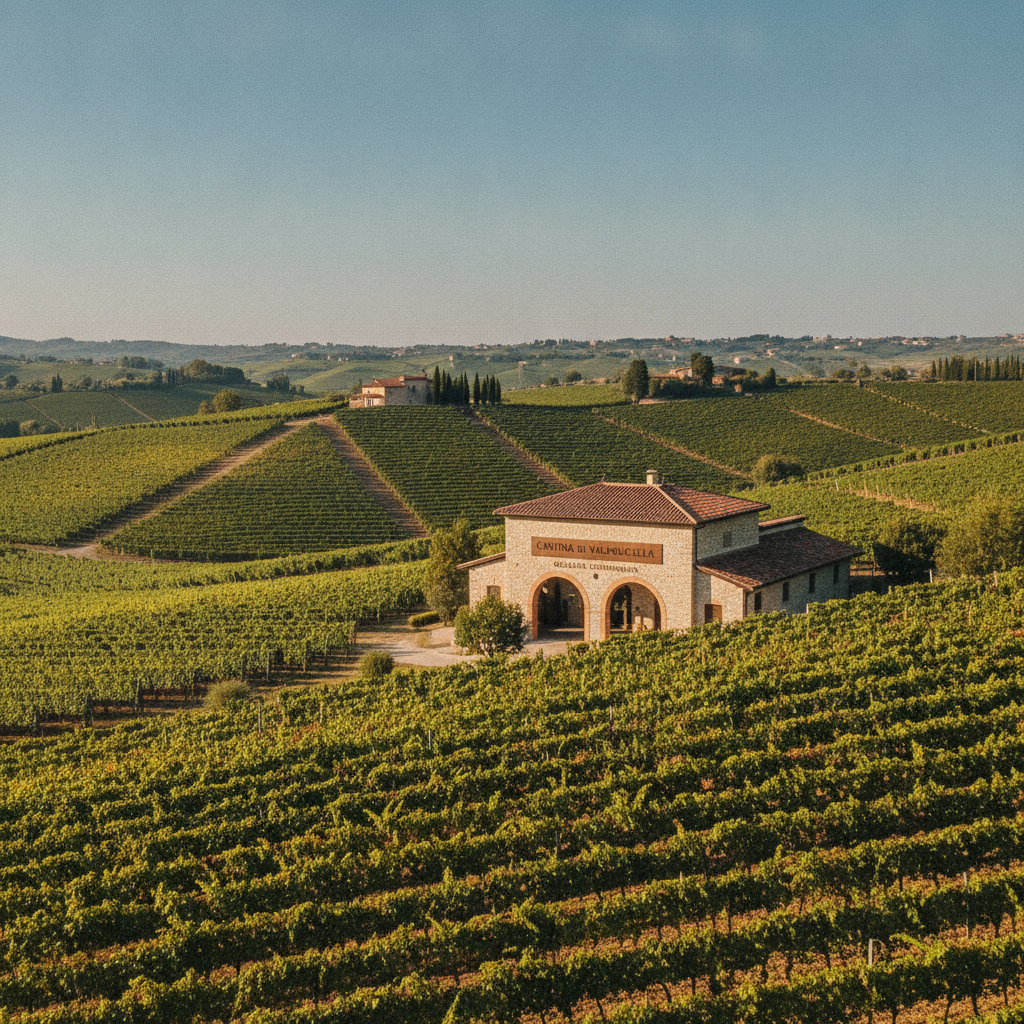
Foreign markets increasingly appreciate wines that faithfully reflect their origin's terroir. Valpolicella Ripasso, with its unique production method and roots in the Veneto region, perfectly meets this demand, allowing buyers to offer wines that evoke the local landscape, culture, and tradition.
Why are consistent quality and reliability prerequisites for international buyers?
Compliance with production regulations is a fundamental prerequisite for international buyers. They expect the wine to adhere to the defined characteristics, ensuring a reliable and consistent product over time. Transparency regarding oenological practices and analytical characteristics is highly appreciated and builds trust.
How does gastronomic versatility make Valpolicella Ripasso attractive for export?
A wine's ability to pair with diverse cuisines is a significant advantage in international markets. Valpolicella Ripasso, thanks to its structure and complexity, lends itself to numerous pairings, making it attractive to importers serving restaurants and markets with varied culinary traditions, thus expanding sales opportunities.
What role do history and innovation play in positioning Valpolicella Ripasso in foreign markets?
While tradition is a pillar, buyers are interested in how wineries innovate while respecting the past. Production containment policies, such as those discussed for Valpolicella, demonstrate strategic management and long-term vision that reassure business partners about the denomination's sustainability and solidity.
How do production containment policies influence the perception of foreign buyers?
Production containment policies, such as reducing yield per hectare and planting freezes, demonstrate strategic management and long-term vision. These measures reassure business partners about the denomination's sustainability and solidity, indicating a commitment to preserving the product's value and quality over time.
Why is data transparency important for international buyers?
The availability of clear data on production, wine characteristics, and regulatory compliance is important. European regulations provide a framework for controls and certification, elements that instill confidence in buyers, enabling them to make informed choices and confidently communicate the product's value.
Frequently Asked Questions
What is the main difference between Valpolicella and Valpolicella Ripasso?
The main difference lies in the production method: Ripasso undergoes a second fermentation on the lees of Amarone or Recioto, giving it greater complexity, structure, and longevity.
Does the Valpolicella Ripasso regulation include specific restrictions for export?
The regulation defines the production rules to ensure authenticity and quality, but amendments are managed to avoid unjustified restrictions on marketing.
What are the market trends favoring Valpolicella Ripasso?
Foreign markets appreciate wines with a strong territorial identity, authenticity, and gastronomic versatility, characteristics that Valpolicella Ripasso possesses due to its unique production method and organoleptic richness.
Wineries looking to expand their international presence should focus on effectively communicating the uniqueness of the Ripasso method, the quality guaranteed by the production regulations, and the strategic adaptability to global market dynamics.