Piedmont Red Wines: Designations, Characteristics, and International Markets
Piedmont offers a universe of red wines with designations and regulations that guarantee their quality and uniqueness, crucial elements for conquering international markets. This article explores the specificities of these oenological excellences, analyzing what foreign buyers are looking for and the export opportunities for Italian wineries. The goal is to provide a clear guide for enhancing and promoting these wines beyond borders, meeting the demands of an increasingly authenticity- and provenance-conscious global market. Learn more: Federdoc — National Confederation of Consortia for the Protection of Italian Wine Designations.
What are the main designations for Piedmont red wines?
Piedmont boasts numerous designations that protect and enhance its red wines. Each designation is defined by specific regulations that guarantee origin, grape varieties, winemaking methods, and organoleptic characteristics. This regulation ensures quality and authenticity, elements sought after globally.
Grignolino del Monferrato Casalese: an example of typicity
Grignolino del Monferrato Casalese is a red wine produced exclusively from Grignolino grapes, with a possible addition of Freisa up to 10%. Originating from the Monferrato Casalese area, in the province of Alessandria, this wine represents a territorial typicality with unique characteristics in the Piedmontese oenological landscape.
Verduno Pelaverga Doc: a distinctive aromatic profile
Verduno Pelaverga Doc is made from Pelaverga piccolo grapes for at least 85%. It is distinguished by an identitary aromatic profile, characterized by a spiciness reminiscent of white and green pepper, with notes of curry, coriander, and cloves. The presence of rotundone, a chemical compound responsible for the peppery note, has been scientifically detected, confirming its peculiarity. On the palate, it exhibits vibrant acidity and unobtrusive tannins, resulting in a medium-bodied and pleasantly drinkable red.
How does European legislation protect designations?
European legislation, through regulations such as CELEX:32013R1308, defines Protected Designations of Origin (PDO) and Protected Geographical Indications (PGI). These establish the basis for wine protection and compliance with production regulations, including product name, wine categories, type of geographical indication, and description of analytical and organoleptic characteristics.

How have the regulations been modified to promote the "Piemonte" mention?
Several Piedmontese designations have modified their regulations to include the broader geographical mention "Piemonte." This strategy aims to strengthen the image of the region as a whole, associating the wine with its territory more immediately and recognizably on an international level. The goal is to make the 19 DOCG and 41 DOC wines of Piedmont ambassadors of the regional name, creating a virtuous cycle for the entire wine sector.
What are the advantages of the "Piemonte" mention for export?
The inclusion of the "Piemonte" mention on labels, such as "Barolo Piemonte" or "Erbaluce di Caluso Piemonte," makes the link between the wine and its region of origin more explicit. This facilitates promotion in markets where knowledge of individual designations might be less widespread, increasing the international recognition and appeal of Piedmontese wines.
What characteristics make Piedmont red wines unique according to the regulations?
Production regulations define a wine's identity by establishing permitted grape varieties, yields per hectare, cultivation methods, enological practices, and minimum aging periods. These "manuals" are fundamental to ensuring the authenticity and quality of the products.
What are the specificities of the Verduno Pelaverga Doc regulation?
The Verduno Pelaverga Doc regulation does not stipulate minimum aging periods or restrictions on the type of container used for maturation. This flexibility allows wineries considerable freedom without compromising the wine's distinctiveness, which retains a well-defined aromatic and territorial profile.
What does the regulation specify for Grignolino del Monferrato Casalese?
The regulation for Grignolino del Monferrato Casalese stipulates that the wine must be obtained from Grignolino grape varieties, with the possibility of adding Freisa up to 10%. The production area is strictly limited to the municipal territories of Monferrato Casalese, in the province of Alessandria.
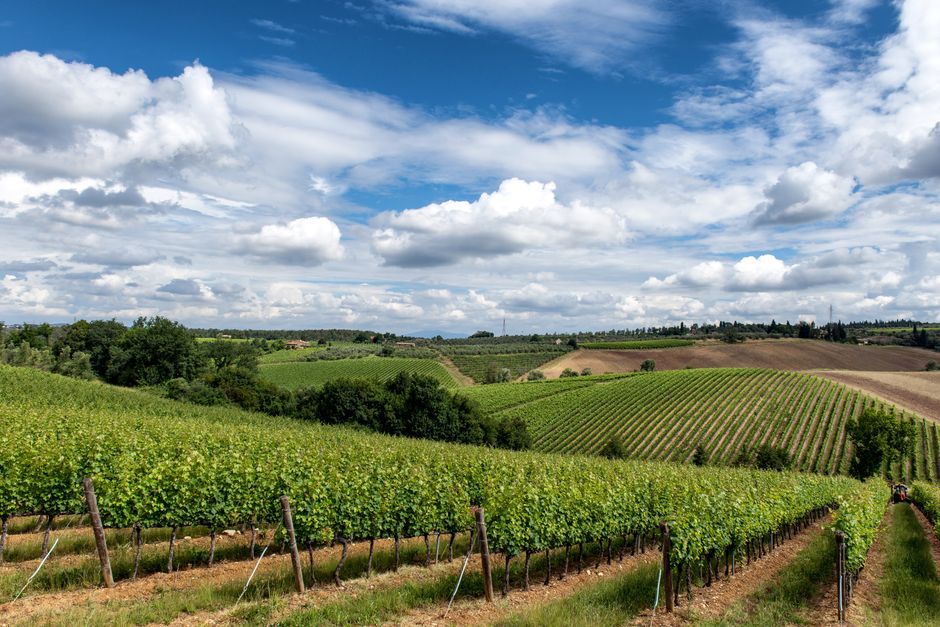
What do foreign buyers look for in Piedmont red wines?
Foreign buyers seek wines that offer quality, authenticity, history, and a strong connection to the territory. Piedmont red wines, with their unique designations, indigenous grape varieties, and rigorous regulations, perfectly meet these demands, representing a highly interesting offering.
What are the attractive factors for international buyers?
International buyers are drawn to indigenous grape varieties and uniqueness, such as those of Pelaverga or Grignolino, which offer a point of differentiation. They appreciate the aging potential and longevity, distinctive aromatic profiles, and the promotional flexibility offered by broader geographical mentions like "Piemonte."
How does Wines Export support Piedmont wineries in export?
Wines Export supports Piedmont wineries in reaching new markets and consolidating their international presence. Our network of foreign buyers is constantly seeking authentic, high-quality products, and Piedmont red wines represent a highly appealing offering for our commercial partners.
Frequently Asked Questions
What are the main grape varieties used for Piedmont red wines?
Piedmont red wines utilize a variety of grapes, including indigenous varieties like Pelaverga and Grignolino, as well as grape varieties historically rooted in the region.
What are the benefits of having production regulations for a wine?
Production regulations guarantee the wine's origin, grape varieties, winemaking methods, and organoleptic characteristics, ensuring quality and authenticity for the consumer.
How does the "Piemonte" mention facilitate wine export?
The "Piemonte" mention makes the wine's connection to its region of origin more explicit, facilitating promotion in international markets where knowledge of individual designations might be less widespread.
Piedmont red wines possess the qualities to conquer international markets thanks to their traditions, rigorous regulations, unique grape varieties, and favorable regulatory evolution. Piedmontese wineries, supported by dedicated export services, have the opportunity to strengthen their global presence, valuing the oenological heritage of this extraordinary region.