Sicilian Red Wine: Denomination, Production Regulations, and Importer Interest
Wines Export Editorial · Last updated:
"Rosso Siciliano" is an authentic expression of Italian territory, capable of captivating international palates. Understanding its denomination, production regulations, and the expectations of foreign buyers is crucial for wineries aiming for export. This article provides a comprehensive overview, focusing on the elements that define this wine and what importers seek to ensure its success in global markets. Learn more: Federdoc — National Confederation of Consortia for the Protection of Italian Wine Denominations.
How is the "Rosso Siciliano" Denomination Defined?
The "Rosso Siciliano" denomination falls under the framework of European Protected Geographical Indications (PGI) and Protected Designations of Origin (PDO). These designations inextricably link a wine to its origin territory, traditions, and specific environmental conditions, guaranteeing authenticity and quality.
What are the Key Elements of a Production Regulation for Wines like "Rosso Siciliano"?
A production regulation, in compliance with European legislation (such as Regulation (EU) No 1308/2013 and subsequent amendments), must include: the name of the denomination/PGI, a description of the analytical and organoleptic characteristics, specific permitted winemaking practices, the defined geographical area of cultivation and production, maximum yields per hectare, and the permitted grape varieties (Vitis vinifera or hybrids with other Vitis species).
What Organoleptic Characteristics Should "Rosso Siciliano" Exhibit?
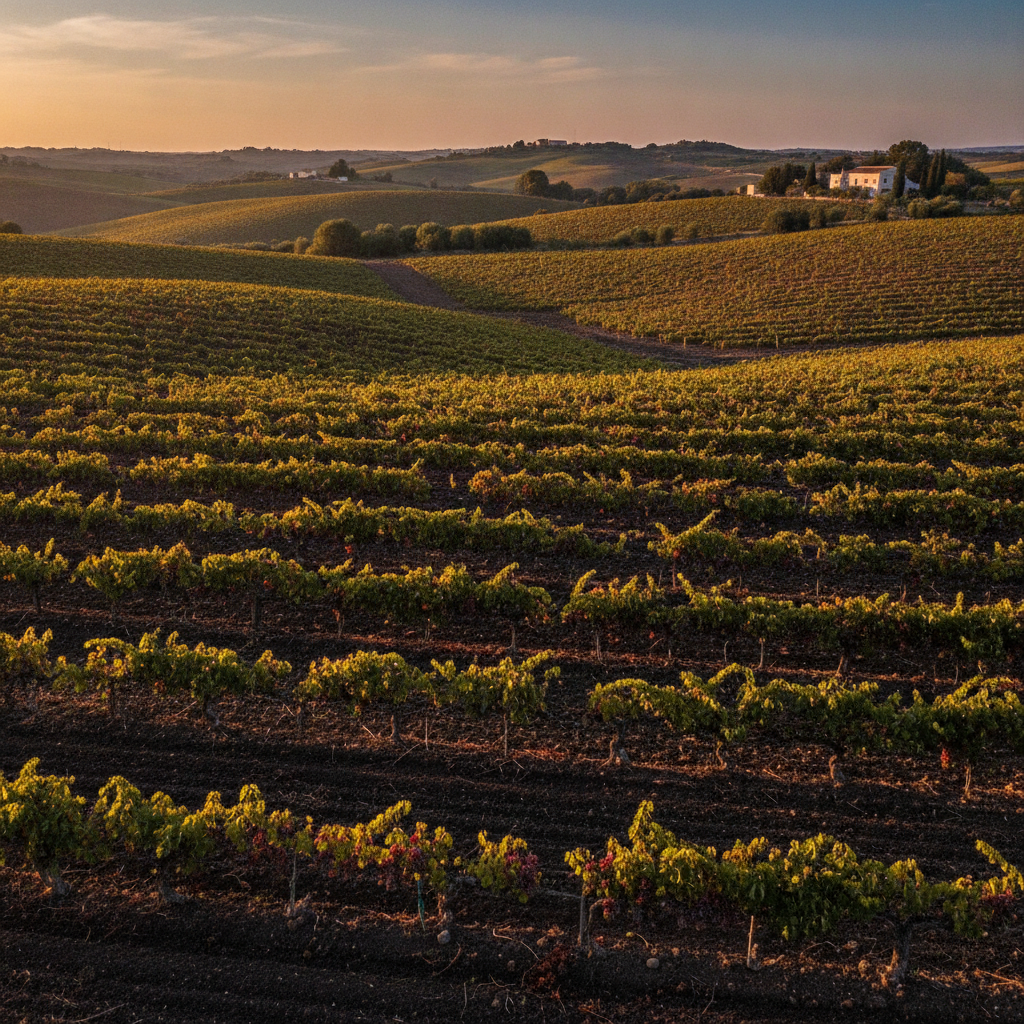
The production regulation must describe the main analytical and organoleptic characteristics of the wine. For geographical indications, an evaluation or indication of organoleptic characteristics is required, ensuring that "Rosso Siciliano" presents a defined profile that reflects the territorial specificities.
Is it Possible to Recognize Sub-zones with Independent Production Regulations for "Rosso Siciliano"?
Yes, in exceptional cases, it is possible to recognize sub-zones with independent and more restrictive production regulations. This is permissible on the condition that these micro-zones possess unique environmental characteristics that impart national value to the product and contribute to promoting the image of Italian wine abroad.
Which Grape Varieties Are Permitted in the Production of "Rosso Siciliano"?
For Sicilian red wines, the production regulation includes indigenous grape varieties such as Nero d'Avola, Nerello Mascalese, and Frappato. International grape varieties that have adapted well to the Sicilian terroir are also permitted, provided they belong to the Vitis vinifera species or are hybrids with other Vitis species.
What Do International Importers Look For When Purchasing "Rosso Siciliano"?
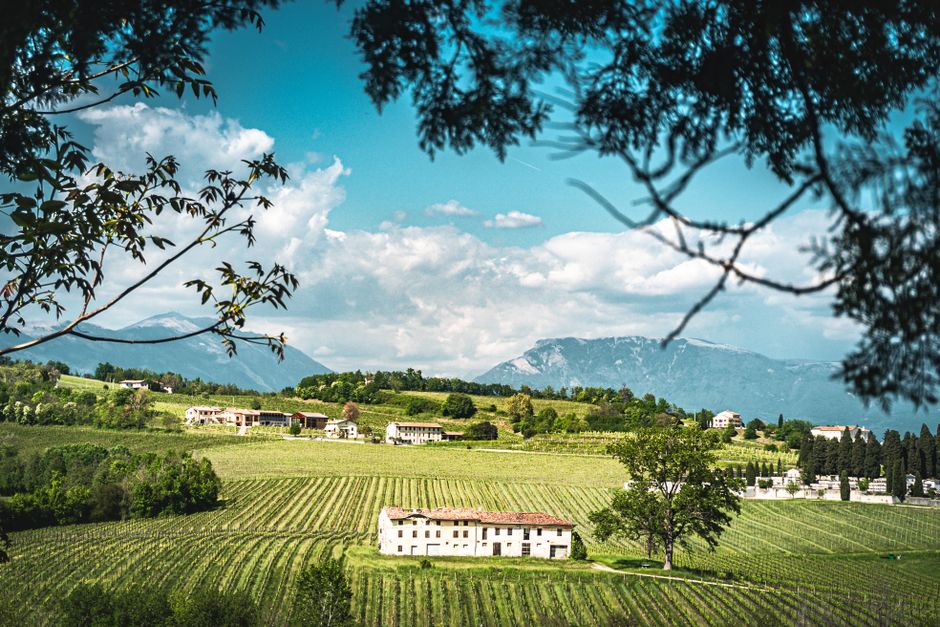
International importers seek territorial authenticity, expressed through indigenous grape varieties like Nero d'Avola. The quality and consistency guaranteed by adherence to the production regulation are paramount, as is the wine's aging potential and a good structure. A competitive quality-price ratio and sustainable practices are increasingly valued.
How Important is Sustainability for Foreign Buyers of "Rosso Siciliano"?
Sustainability is a factor of growing importance. Buyers pay close attention to environmental and social sustainability practices, such as organic or biodynamic cultivation techniques and water resource management. Transparency on these aspects can represent a competitive advantage.
How Does Wines Export Support the Export of "Rosso Siciliano"?
Wines Export collaborates with a pool of selected Italian wineries, including those from Sicily, ensuring that importers have access to high-quality wines ready for export. Our expertise assists wineries in navigating the complexities of foreign markets, from logistics to promotion, ensuring that the value of "Rosso Siciliano" is fully recognized.
"Rosso Siciliano" offers an excellent export opportunity due to its territorial authenticity, quality assured by its production regulation, and market potential. For wineries, understanding and leveraging these aspects, supported by experienced partners, is the key to international success.
Frequently Asked Questions
What are the typical organoleptic characteristics of a PGI "Rosso Siciliano"?
The organoleptic characteristics of a PGI "Rosso Siciliano" are defined by its production regulation, which requires a specific description to ensure the wine reflects the unique qualities of its territory of origin.
How does the production regulation protect the authenticity of "Rosso Siciliano"?
The regulation protects authenticity by defining crucial elements such as permitted grape varieties, winemaking practices, the geographical production area, and maximum yields per hectare, thus ensuring the wine maintains a high standard and is intrinsically linked to its territory.
Which indigenous grape varieties are most sought after by foreign buyers in "Rosso Siciliano"?
Foreign buyers are particularly interested in Sicilian indigenous grape varieties such as Nero d'Avola, Frappato, and Nerello Mascalese, as they offer unique aromatic and gustatory profiles that express the authenticity of the region.