Rosso Veronese: An Export Guide for International Buyers
Wines Export Editorial · Last updated:
For Italian wineries seeking to expand their presence in international markets, a thorough understanding of the Rosso Veronese denomination, its production regulations, and the expectations of foreign buyers is a crucial step. This article provides an essential guide to navigating the complexities of export, highlighting the key elements that make this wine a successful opportunity for global importers. From the guarantee of authenticity offered by the denomination to the sought-after organoleptic quality, every aspect is analyzed to facilitate your internationalization strategy. Learn more: Federdoc — National Confederation of Consortiums for the Protection of Italian Wine Denominations.
How Does the Rosso Veronese Denomination Ensure Authenticity and Territorial Link?
Designations of origin and protected geographical indications are fundamental pillars for the valorization of Italian wines. Rosso Veronese, with its specific regulations, defines authenticity and quality, inextricably linking the wine to a specific territory, its traditions, and enological practices. This technical document is key to verifying production conditions, ensuring that only wines that rigorously adhere to the rules can bear this name.
The legal protection offered by designations of origin (CELEX:32013R1308) is extensive and aims to safeguard wine from any form of usurpation, imitation, or evocation that may mislead consumers. European legislation clearly defines what constitutes a Protected Designation of Origin (PDO) or a Protected Geographical Indication (PGI), specifying that the regulations must include a description of the wine, the enological practices, and the delimitation of the geographical area (CELEX:32024R1143).
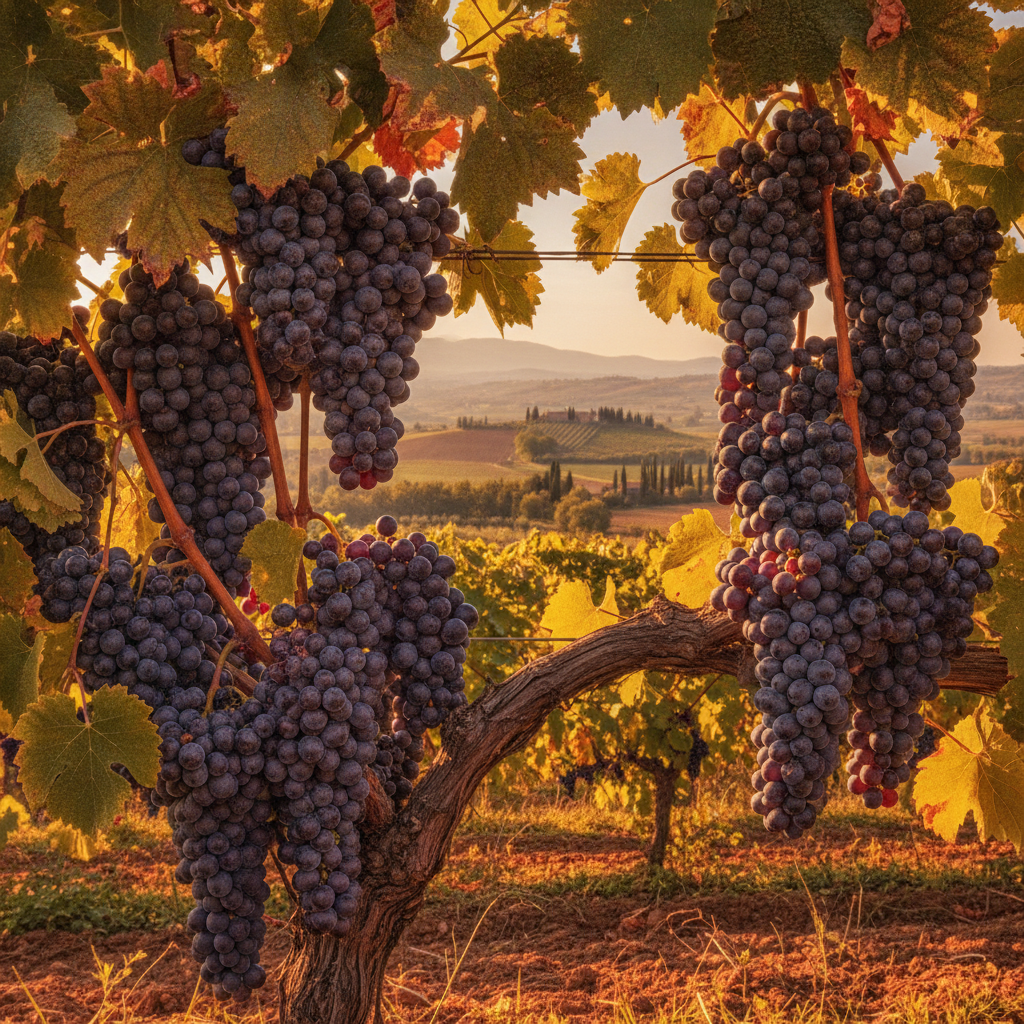
What Do the Rosso Veronese Production Regulations Establish?
The production regulations are at the heart of every denomination, defining the rules that ensure the wine's uniqueness and territorial essence. For Rosso Veronese, this document establishes precise requirements, in line with current regulations (CELEX:32008R0479, CELEX:32013R1308), including a detailed description of the analytical and organoleptic characteristics, the delimitation of the geographical area for grape cultivation, and maximum yields per hectare to ensure quality.
Compliance with the regulations is subject to checks by public authorities or accredited certification bodies (CELEX:32008R0479), ensuring the conformity of the final product. The possibility of modifying the regulations (CELEX:32008R0479) allows for adaptation to scientific and technical advancements while maintaining the link with territorial specificities.
What Characteristics Do International Buyers Look for in Rosso Veronese?
International buyers are attracted to wines that offer authenticity, a strong connection to the territory, and a compelling story. Rosso Veronese, with its well-defined denomination and regulations, already possesses the ingredients to capture their interest. They assess authenticity and origin, organoleptic quality aligned with market expectations, aging potential, excellent value for money, and a convincing marketing narrative based on the wine's and territory's history.
Transparency regarding the production regulations and practices is an added value. The legal protection of designations of origin (CELEX:32013R1308) reassures importers, mitigating the risk of acquiring counterfeit products. The possibility of recognizing sub-zones with more restrictive regulations can further enrich the offering and create interesting market niches.
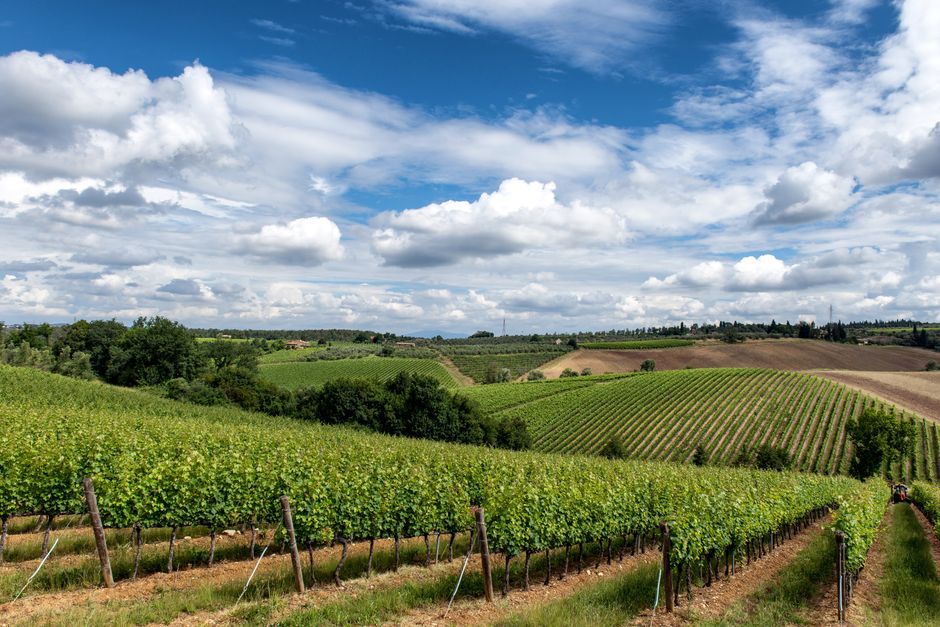
How Does Wines Export Support the Export of Rosso Veronese?
Wines Export supports Italian wineries in exploring new markets, with an expanding network of contacts in the wine import sector. Our pool of buyers covers key markets interested in quality Italian wines, including those specializing in Venetian red wines. Our expertise allows us to identify the most receptive buyers for denominations like Rosso Veronese, facilitating targeted meetings and promoting profitable commercial agreements.
Our mission is to connect Italian producers with foreign importers, offering strategic consulting and commercial promotion to enhance the excellence of Italian wine worldwide.
Frequently Asked Questions
What are the fundamental requirements of production regulations for an Italian wine?
Production regulations establish the description of the wine (analytical and organoleptic characteristics), the delimitation of the geographical area for grape production, and maximum yields per hectare, ensuring the wine's authenticity and quality.
How does European legislation protect wine designations of origin?
European legislation (CELEX:32013R1308) protects designations of origin from usurpation, imitation, or evocation that may mislead consumers, ensuring the product's authenticity and origin.
What factors most influence an international buyer's purchasing decision for an Italian wine?
International buyers are influenced by the wine's authenticity and origin, its organoleptic quality, its value for money, its aging potential, and its ability to tell a compelling story linked to the territory and traditions.
Wines Export is your strategic partner for bringing Rosso Veronese to international markets. Our deep knowledge of Italian denominations and global trade dynamics allows us to create valuable connections.