Selling Your Wine in Australia: The Complete Guide for Wineries
Wines Export Editorial · Last updated:
Australia offers a promising market for Italian wineries aiming for international expansion. Despite the distance, the appreciation for Italian wine and the growing demand for high-quality products make this continent a strategic target. To successfully navigate the complex landscape of Australian exports, it is essential to thoroughly understand regulations, customs procedures, logistics, and market dynamics. This guide provides the essential tools to tackle these challenges and seize opportunities. In-depth Information: ICE Agency — Wines and Alcoholic Beverages.
How Do Wine Import Duties and Taxes Work in Australia?
Wine imported into Australia is subject to a 5% customs duty. It is important to also consider the Wine Equalisation Tax (WET) of 29% and the Goods and Services Tax (GST) of 10%. These taxes are generally borne by the Australian importer.
The Wine Equalisation Tax (WET) is a specific tax for the wine sector, amounting to 29% of the taxable value of the wine. Its calculation is complex and includes value, transport, and duty. The Goods and Services Tax (GST), similar to VAT, is 10% and applies after the WET. It is crucial to contractually clarify that WET and GST are the responsibility of the Australian importer, who must be registered for these taxes and possess an active Australian Business Number (ABN).

What Documents Are Required to Export Wine to Australia?
Standard documents such as a commercial invoice, packing list, and certificate of origin are required for import into Australia. Additionally, an Import Declaration (Form N10) submitted to the Australian Border Force (ABF) is necessary.
The commercial invoice must be in English and detailed. The packing list itemizes the contents of the packages, while the certificate of origin attests to Italian provenance. The Australian importer must have an active ABN and be registered for WET/GST. It is essential to verify these requirements with your local partner before shipping.
What Are the Logistics Times and Costs for Shipping Wine to Australia?
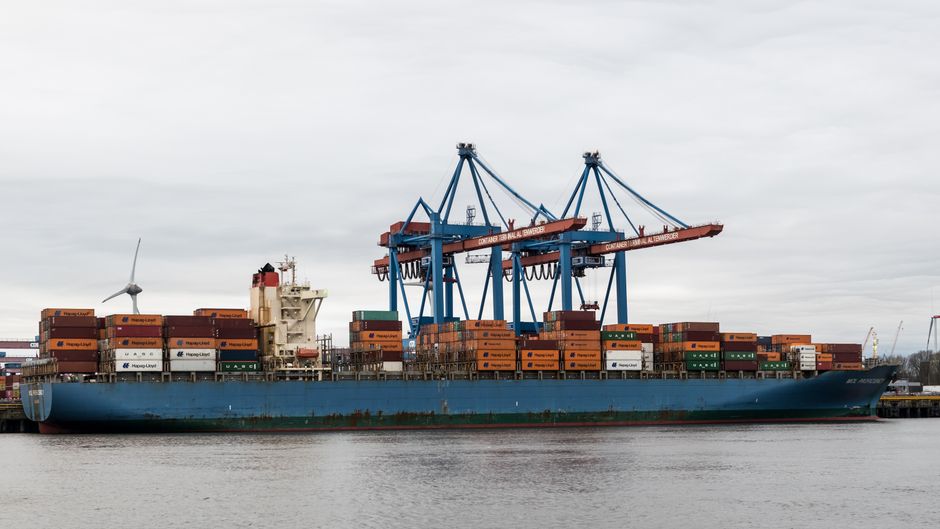
Sea freight from Italy to Australia requires transit times of approximately 40-55 days. The main Italian ports include Genoa, La Spezia, and Naples, while in Australia, goods are commonly discharged in Melbourne, Sydney, Brisbane, or Fremantle.
Departures are regular, typically weekly or bi-weekly. Inventory and sales campaign planning must account for these long transit times. A trusting relationship with the importer is essential for managing logistical and operational complexities.
How to Communicate and Promote Italian Wine in the Australian Market?
The Australian market appreciates the quality, history, and authenticity of Italian products. Communicating the story of the winery's territory and tradition is effective.
All communication, especially technical or contractual, must be in English, preferably with professional translators. It is important to consider the time difference (8-10 hours) when scheduling communications. LinkedIn and specialized importer websites are useful resources for finding partners.
What Are the Market Opportunities for Italian Wineries in Australia?
Australia represents a market of great potential for Italian wineries. The growing demand for quality wines and the appreciation for Italian authenticity create fertile ground for expansion.
Participating in industry trade shows and trade missions organized by entities such as ICE Agency or Unione Italiana Vini can facilitate qualified B2B meetings. Wines Export supports Italian wineries in exploring this market, facilitating targeted connections with a network of verified buyers.
Frequently Asked Questions About Exporting Wine to Australia
What are the specific requirements for importing wine into Australia?
Importing wine into Australia requires a detailed commercial invoice, packing list, certificate of origin, and an Import Declaration. The importer must possess an active ABN and be registered for WET and GST.
How long does a wine shipment from Italy to Australia take?
Direct sea freight transit times range between 40 and 55 days. It is crucial to factor this timeframe into logistics and inventory planning.
Who is responsible for paying import duties and taxes on wine in Australia?
Generally, the Wine Equalisation Tax (WET) and the Goods and Services Tax (GST) are borne by the Australian importer, who must be registered with the Australian Taxation Office (ATO).
How can I find reliable Italian wine buyers in Australia?
Partners can be found through LinkedIn, specialized importer websites, industry trade shows, and trade missions. Wines Export offers a network of verified buyers to facilitate these connections.
To discover how Wines Export can support your winery in exporting wine to Australia through our network of qualified buyers, request a demo.
- Exporting Wine to Ecuador: A Guide for Italian Wineries
- US Customs Documents: A Guide for Italian Wineries
- Exporting Wine to Finland: A Guide for Wineries
- Exporting Wine to Brazil: Essential Customs Documents
- Exporting Wine to Ireland: A Guide for Wineries
- Wine Documentation Australia: Customs Guide for Wineries