Open the Doors to the Irish Market for Your Wine: The Comprehensive Guide
Wines Export Editorial · Last updated:
Ireland presents a market with potential for Italian wineries aiming for international expansion. While not among the traditional markets, consumption dynamics and export data suggest growth opportunities. This comprehensive guide addresses the regulatory, logistical, fiscal, and market aspects essential for Italian companies looking to export wine to Ireland, providing the necessary information to navigate local specificities and position themselves effectively. Deep Dive: ICE Agency — Wines and Alcoholic Beverages.
What are the Wine Export Figures to Ireland?
In 2018, bottled wine (under 2 liters) exports to Ireland reached approximately $10.5 million. Italy exported around $217,623 in that segment. Bulk and sparkling wine recorded lower values.
In 2019, the total value of wine exports to Ireland exceeded $20 million, with Italy exporting approximately $90,064. In 2021, the total value was around $17.4 million, with Italy exporting $357,121, showing a significant increase in unit price. These figures indicate competition dominated by other European countries, but also the presence and potential for Italian wine, especially in higher price classes.
What are the Tax Regulations for Imported Wine in Ireland?
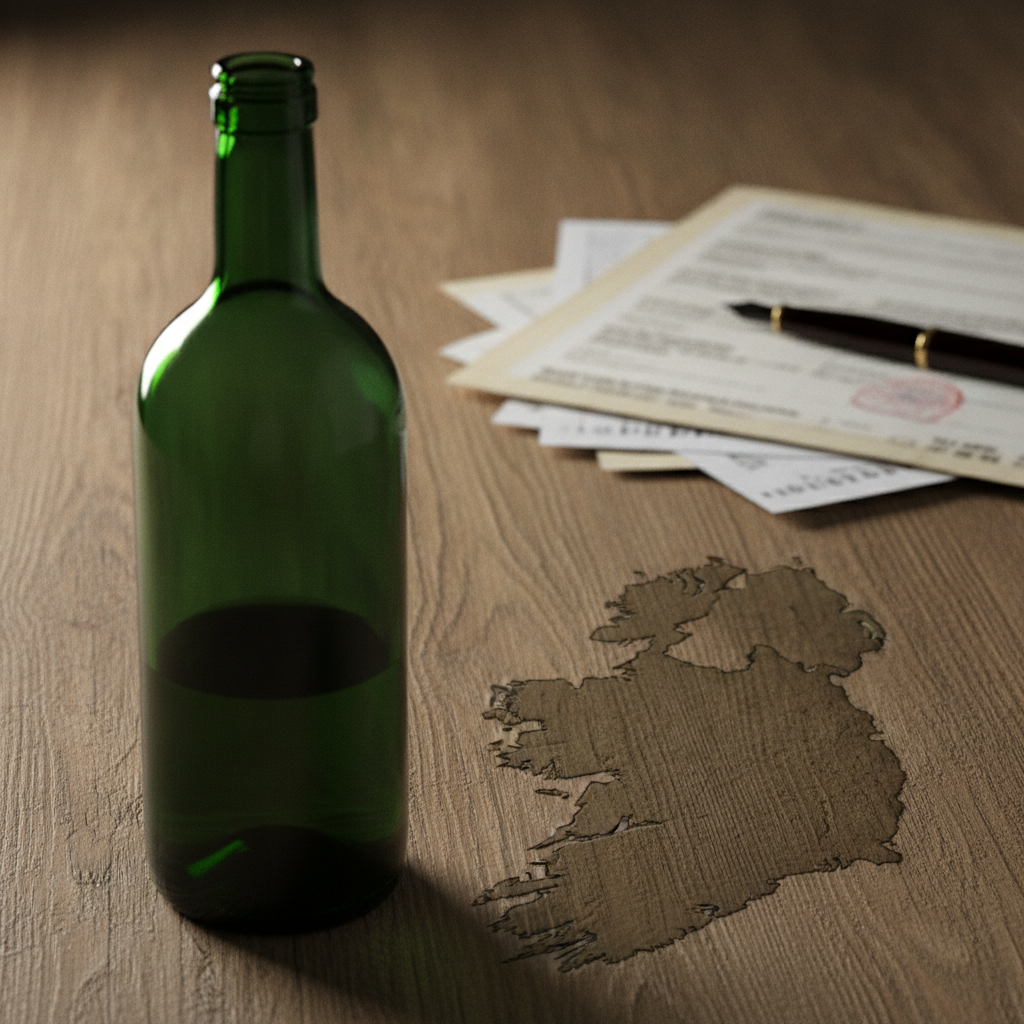
Wine imported into Ireland is subject to Alcohol Products Tax (APT), the national excise duty on alcohol, payable upon release for consumption. Ireland applies one of the highest wine excise duties in Europe; in 2021, an excise duty of €3.19 for a 750ml bottle at 13% was the highest among the compared EU and UK countries.
In addition to APT, Value Added Tax (VAT) applies. For imports from non-EU countries, customs duties apply, but not for Italy as both are EU members.
What Documents and Registrations are Required to Export Wine to Ireland?
To avoid customs issues, the Irish importer must be registered as an "excise trader" with Revenue. If the Italian winery sells directly to an Irish customer without a local intermediary, it is necessary to appoint a fiscal representative established in Ireland for excise duty payment. In their absence, goods risk being held or confiscated.
Logistics and customs operators may request additional documents regarding the origin and production method of the wine, beyond the standard certificate of origin. Correct classification according to CN customs codes and relevant Excise Reference Numbers (Excise Reference Number / AIS Code) is crucial.
How Does Logistics and Shipping to Ireland Work?
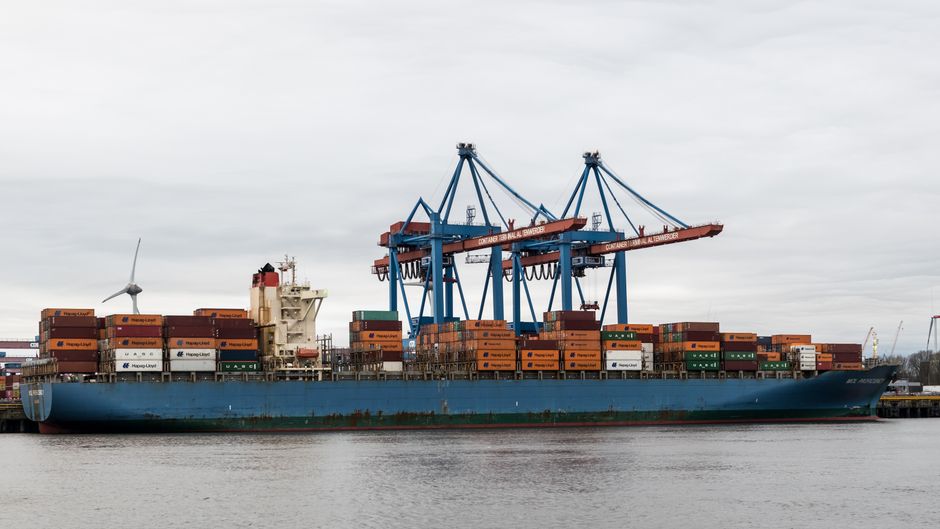
Logistics for Ireland requires attention to the Eircode, the 7-character alphanumeric postal code that uniquely identifies each building, essential for avoiding delivery delays, especially in rural areas.
It is crucial to confirm the route with the forwarder, plan for additional buffer time for destinations outside Dublin, and ensure the destination warehouse in Ireland is an authorized bonded warehouse with adequate temperature control for wine. Verify whether the goods will travel under excise duty suspension via the e-AD/EMCS system or if they will be "duty-paid."
What is the Role of Wines Export in Exporting Wine to Ireland?
Wines Export offers strategic and operational support to Italian wineries exploring the Irish market. We understand export challenges and provide consultancy to navigate regulatory, logistical, and commercial complexities.
Our network includes active buyers in the Irish market, ready to evaluate quality Italian wines. Collaborating with Wines Export means accessing a privileged channel to reach qualified importers, optimize export processes, and reduce risks.
Frequently Asked Questions
What are the main challenges for Italian wineries in exporting wine to Ireland?
The main challenges include navigating complex tax regulations, particularly the high Alcohol Products Tax (APT), the need for a fiscal representative for direct sales, and optimizing logistics that require the use of Eircode and proper management of bonded warehouses.
How can I ensure my wine arrives in Ireland without customs issues?
It is essential that the Irish importer is registered as an "excise trader" and that a fiscal representative is appointed if the sale is direct. Furthermore, correct customs classification (CN codes) and the availability of all required documentation, including any certificates of origin or attestations on the production method, are vital.
What are the market trends for Italian wine in Ireland?
Historical data indicates that the Irish market is dominated by other European countries, but also shows the presence of Italian wine, particularly in higher price segments, as suggested by the increase in unit price in 2021. This indicates potential for quality Italian wines in higher-value market segments.
Exporting wine to Ireland requires meticulous preparation, a deep understanding of local regulations, especially fiscal and customs rules, and careful logistical planning. Although the market is competitive, recent trends indicate potential for quality Italian wines, especially in higher-value segments. With the right approach and the support of expert partners like Wines Export, Italian wineries can overcome obstacles and seize the opportunities offered by the Irish market.
- Exporting Wine to Norway: A Guide for Wineries
- Exporting Wine to Finland: A Guide for Wineries
- Exporting Wine to New Zealand: A Guide for Wineries
- Exporting Wine to Ecuador: A Guide for Italian Wineries
- Exporting Wine to Poland: A Guide for Italian Wineries
- Exporting Wine to Australia: A B2B Guide for Wineries