How to Sell Your Wine in Norway: Requirements and Procedures for Wineries
Exporting wine to Norway presents a growth opportunity for Italian wineries but demands a thorough understanding of local customs regulations, tax laws, and the distribution system. Although Norway is part of the European Economic Area (EEA), it is not part of the European Customs Union. This necessitates specific import procedures, including the application of duties and excise taxes. This guide provides a clear framework of the necessary compliance steps to successfully approach the Norwegian market, focusing on practical aspects for Italian businesses. Learn more: ICE Agency — Wines and Alcoholic Beverages.
How Does the Wine Distribution System Work in Norway?
The Norwegian market for alcoholic beverages with an alcohol content above 4.75% by volume is characterized by a state monopoly. Retail sales are exclusively managed by Vinmonopolet, the designated state entity. Wine importation is not directly monopolized but is strictly regulated and requires the intermediation of licensed Norwegian importers, known as "grossister" (wholesalers).
These importers are key figures in the procurement and sales process. They actively participate in tender processes initiated by Vinmonopolet to select wines for inclusion in their catalog. For an Italian winery, establishing strong relationships with these licensed importers is therefore a fundamental step to access the market. Their registration with the Norwegian Directorate of Customs and Duties and, if they operate with Vinmonopolet, possessing a framework agreement with them, are essential requirements.
What are the Customs Formalities and Documentation Required for Exporting Wine to Norway?
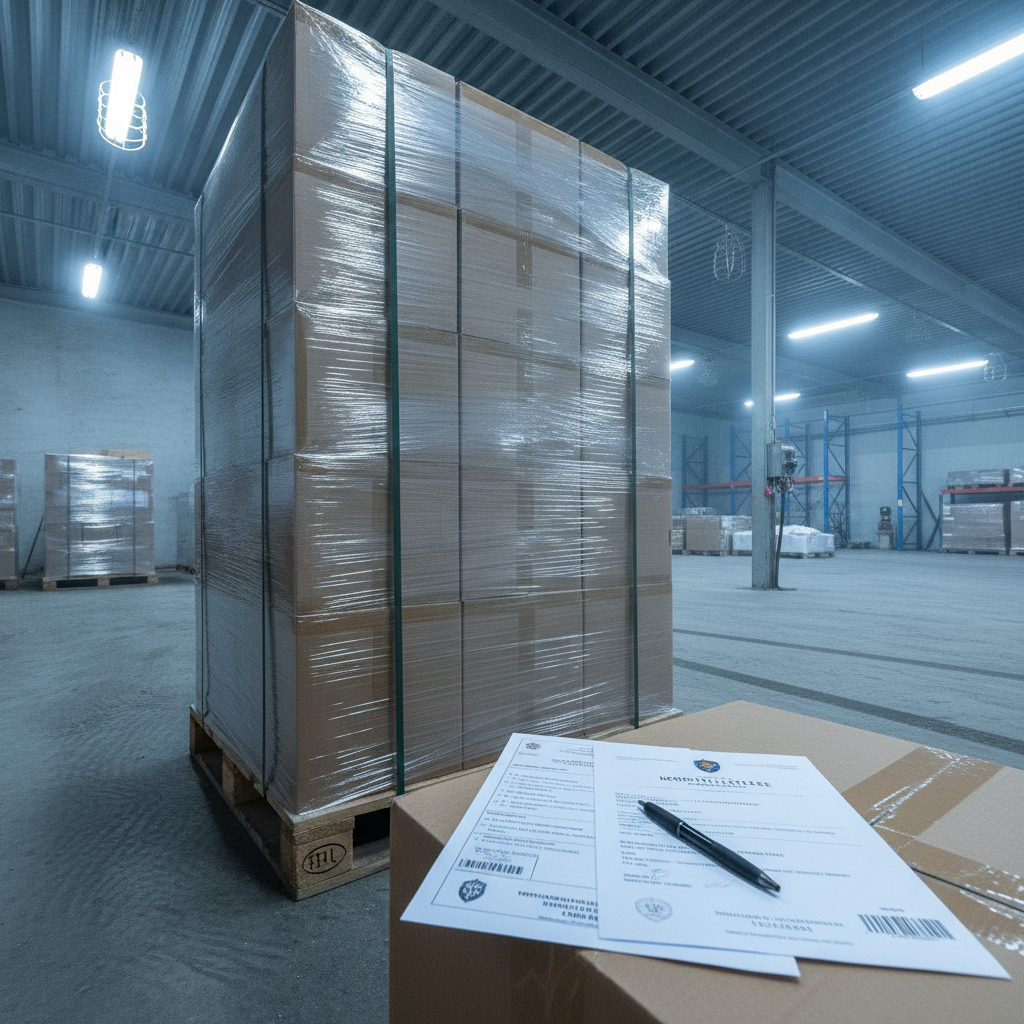
As Norway is outside the European Customs Union, every wine shipment from Italy requires a specific customs declaration. In addition to standard export documentation, the following are required:
- Commercial Invoice: Must include the complete legal details of the seller and buyer, date, number, type, and quantity of products, price, delivery, and payment terms. It is essential to indicate the correct customs code (HS code 22.04 for wines) to facilitate classification by Norwegian customs.
- Packing List: Details of the contents of each package.
- Certificate of Origin: To benefit from preferential tariff treatment under the EEA agreement, proof of preferential origin is necessary. For shipments valued under 6,000 Euros, a declaration of origin stated on the invoice is sufficient. For higher values, the EUR.1 or EUR-MED movement certificate, issued by the Italian Chamber of Commerce or Customs Agency, is required. Without this documentation, the wine will be subject to the full customs tariff.
- Transport Documents: In the Norwegian context, the Excise Duty Accompanying Document (DAA) is particularly important. This document is issued before shipment and indicates the key elements of the transaction. It is part of the transit regime for excise goods between tax warehouses and registered operators.
Complete and consistent documentation is crucial to avoid delays and additional costs at customs. Norwegian customs may request proof of correct valuation, payment of duties/excise taxes, or origin even at a later stage.
How Does Taxation Work for Wine Exports to Norway?
The Norwegian tax system for imported wine includes customs duties, excise duties on alcohol, and VAT. Correct attribution of payment responsibilities between the Italian exporter and the Norwegian importer is essential for the profitability of the operation.
- Customs Duty: Thanks to the EEA Agreement, wines of EU origin accompanied by proof of preferential origin benefit from preferential tariff treatment. The specific rate varies according to the customs code and product type, and should be verified on the Norwegian customs tariff (Tolletaten).
- Excise Duty on Alcohol: This tax applies to all alcoholic beverages with an alcohol content exceeding 0.7% by volume. It is calculated based on the alcohol content and/or volume. Rates for 2026 include, for example, NOK 5.41 per percentage point of alcohol per liter for alcoholic beverages between 4.7% and 22% abv, the category into which most wines fall. The excise duty is payable by the Norwegian importer/wholesaler registered with Skatteetaten (the Norwegian Tax Administration).
- Norwegian VAT: Norwegian Value Added Tax is payable by the importer at customs or through periodic declaration.
The Italian exporter is not subject to these Norwegian taxes, but the accuracy of their documentation directly impacts the customs clearance time and costs for the Norwegian client.
What are the Logistics and Transportation Considerations for Norway?
Norway's geography and customs regime require careful logistical considerations. The dominant mode of transport for shipments from Italy is road transport via ferry from Denmark (Hirtshals, Hanstholm, or Frederikshavn routes) to Oslo. This solution is generally the most economical and efficient, avoiding the long overland journey through Sweden.
Transit times for truck shipments from Italy typically range from 4-5 working days. Added to this is the customs clearance time, which for wine, being an alcoholic beverage subject to excise duty, can vary from 1 to 7 working days. This wider range is due to more frequent documentary or physical checks that Norwegian customs carries out on alcohol, food, and electronics.
The choice of freight forwarder is crucial. Not all logistics operators specializing in Scandinavian routes have specific experience in handling goods subject to excise duty, such as wine. It is advisable to request specific references for the transport of alcoholic beverages to Norway to minimize the risk of errors. Furthermore, it is essential to explicitly verify in the transport contract whether customs clearance in Norway is included in the price or invoiced separately, as electronic customs declaration through the TVINN system is mandatory and often managed by the customs broker.
Are There Sustainability Regulations for Wines Exported to Norway?
Yes, an emerging and relevant aspect for exporting wine to Norway concerns sustainability. As of 2026, wines sold at a retail price below 250 NOK must be packaged with lightweight, recyclable, or eco-sustainable packaging. This initiative, promoted by Vinmonopolet, aims to reduce the environmental impact of packaging. Italian wineries should consider this requirement when choosing packaging materials for wines destined for the Norwegian market.
What are the Promotional Opportunities for Italian Wineries in Norway?
For Italian wineries, participation in targeted promotional events is an effective strategy to penetrate the Norwegian market. The Norway Wine Exchange (Borsa Vini Norvegia), organized by ICE Agency, represents a key opportunity. It is important to monitor the ICE portal for applications to upcoming editions, which typically collect applications in advance.
It is also useful to consider the possibility of combined editions with Sweden, to optimize the costs of a trade mission. Furthermore, initiatives such as "Vinitaly Preview/Around the World" in Oslo, organized by Veronafiere or regional Chambers of Commerce, can offer further visibility opportunities. Unlike large international trade fairs, events in Norway are often more selective and targeted, requiring strategic planning.
What is the Role of Wines Export in the Norwegian Market?
Wines Export has a pool of several active buyers in the Norwegian market. This qualitative data highlights the presence of consolidated interest and established commercial contacts for this market. Knowledge of these buyers and their specific needs can provide a competitive advantage to Italian wineries that rely on our service for export.
Frequently Asked Questions
What are the requirements to become a wine importer in Norway?
To become a wine importer in Norway, you must be a licensed "wholesaler," registered with the Norwegian Directorate of Customs and Duties. If you intend to sell through Vinmonopolet, you must also have a framework agreement with them.
What are the main costs to consider when exporting wine to Norway?
The main costs to consider include customs duties, excise duties on alcohol, Norwegian VAT, transportation and logistics costs, any commissions for importers, and costs related to the necessary documentation.
Is it possible to export wine directly to consumers in Norway?
No, exporting wine to Norway is strictly regulated and requires the intermediation of licensed Norwegian importers ("wholesalers"). The retail sale of alcoholic beverages with an alcohol content above 4.75% vol is exclusively managed by Vinmonopolet.
Exporting wine to Norway requires a meticulous and informed approach. Understanding the distribution system, customs and tax compliance, and logistical and sustainability regulations is fundamental. Establishing strong relationships with licensed importers and ensuring the conformity of all documentation are essential steps. Despite the complexities, the Norwegian market offers concrete opportunities for Italian wineries that are willing to navigate its specific regulatory framework.
To begin your export journey to Norway or to receive personalized advice, request a free demo.