Selling Your Wine in Sweden: Everything Italian Wineries Need to Know
Wines Export Editorial · Last updated:
Exporting Italian wine to Sweden presents a strategic opportunity due to the country's high purchasing power and growing wine culture. However, the market is dominated by the state-owned monopoly, Systembolaget, which manages the entire distribution of alcoholic beverages. Understanding the regulations, documentary requirements, and market dynamics is crucial for successfully navigating this landscape. This guide provides a clear framework of the necessary procedures and strategies for effective market entry into Sweden, making it an essential tool for Italian wineries considering this expansion. Learn more at: ICE Agency — Wines and Alcoholic Beverages.
How Does Systembolaget's Monopoly Work?
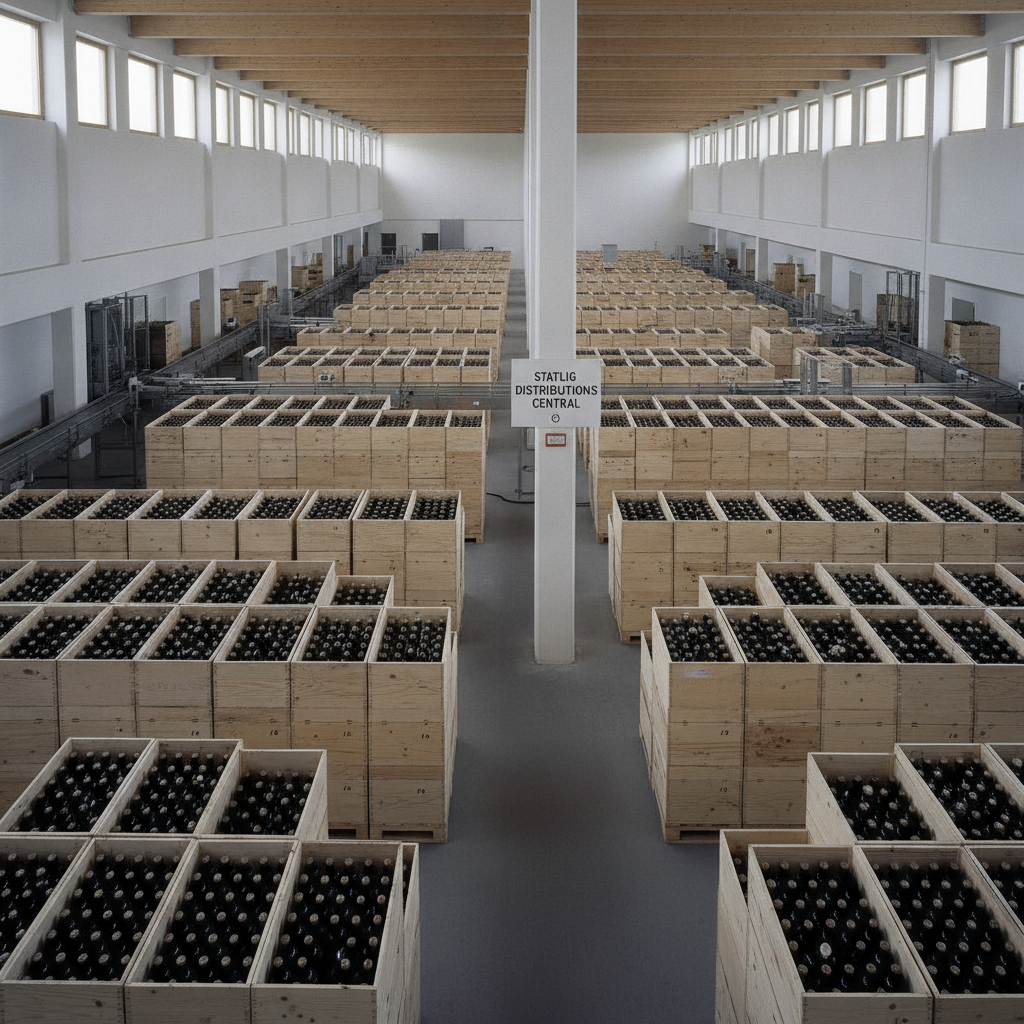
Systembolaget is the Swedish state-owned entity holding a monopoly on the retail sale of alcoholic beverages. All wineries wishing to sell their products in Sweden must go through its channels. Systembolaget is not just a distributor but also a guarantor of product quality and safety, promoting responsible consumption.
To become a supplier, wineries must undergo a rigorous selection process, submitting samples and documentation on production and quality, alongside meeting specific evaluation criteria. Systembolaget assesses products for their organoleptic characteristics and alignment with environmental standards, especially for products intended for the "Fast Sortiment" (fast-moving range) or high-volume segments.
What are the Requirements to Be Included in Systembolaget's Assortment?
Inclusion in Systembolaget's assortment requires careful planning. Wine must meet high-quality standards and align with Swedish market preferences. For high-volume products, Systembolaget pays attention to packaging sustainability. In addition to standard export documentation, specific registrations such as a Global Location Number (GLN) and membership in a packaging consortium may be required.
What Documents Are Needed to Export Wine to Sweden?
Although Sweden is part of the EU, exporting wine requires specific documentary management for excise duties and traceability. The primary system is excise duty suspension, which necessitates the EMCS (Excise Movement and Control System).
How Does the EMCS System Work for Wine Shipments?
Every shipment of alcohol between EU Member States under excise duty suspension must be electronically documented via the e-AD within the EMCS system. This system ensures the fiscal traceability of the product from the producer to the registered recipient. It is essential that the Swedish recipient holds a valid excise number or operates through an authorized fiscal representative; otherwise, a single authorization for the operation may be required.
What Information Must Be Included on the Commercial Invoice?
The commercial invoice for export to Sweden must include standard details for international transactions: seller and buyer details, date, invoice number, type and number of packages, gross weight, product description and quantity, price, discounts, delivery, and payment terms. There are no specific packaging requirements, except for an additional tare count for bulk wine. Certificates of analysis are generally not required for import.
What Are the Labeling Requirements for the Swedish Market?
Labeling of wines intended for the Swedish market requires attention to ensure compliance with local regulations and consumer expectations.
What Mandatory Information Must Be Present on the Label?
The back label must legibly display all mandatory information, except for importer details, batch numbers, and allergen information, which can appear elsewhere. It is crucial to translate at least the sulfite warning into Swedish or English, even if the rest of the label is in Italian.
Is It Necessary to Include Nutritional Information or Specific Allergen Indications?
It is advisable to verify with the local importer the required language for allergen indications and the potential need to include nutritional information. These requirements can vary and may necessitate specific adaptation for the Swedish market. Before producing labels, it is crucial to request written confirmation from the local importer or distributor regarding any specific marks or disclosures required by Swedish customs or health authorities.
Are There Alternative Distribution Channels to Systembolaget?
While Systembolaget is the primary channel, other avenues exist to reach Swedish consumers, though they are more complex and less direct for wineries not yet established.
Is it Possible to Sell Wine Directly to Swedish Consumers Online?
Direct sales to final Swedish consumers through "distance selling" are possible but require the seller to register with Skatteverket (the Swedish Tax Agency) and pay the relevant taxes. This model is more suitable for wineries with an established e-commerce strategy and adequate logistical capacity to handle direct shipments.
How Long Do Shipments from Italy to Sweden Typically Take?
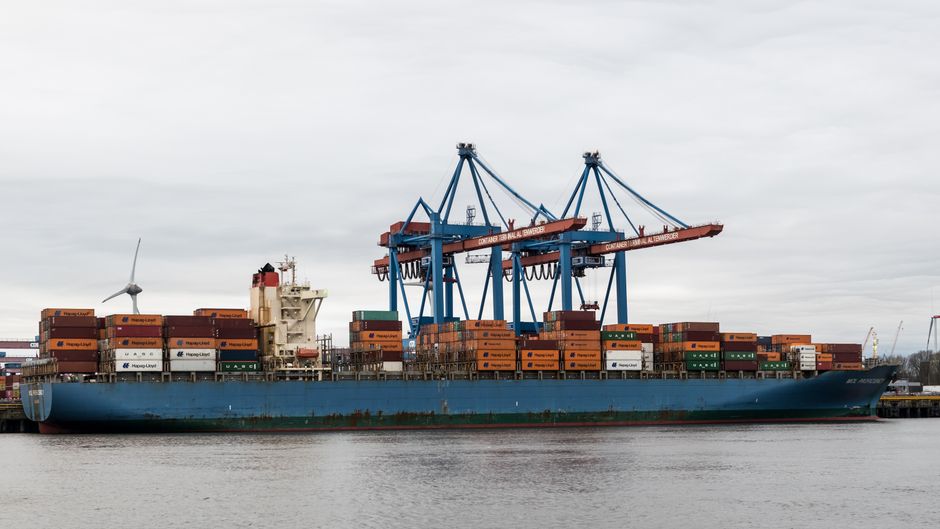
Transit times vary depending on the mode of transport. With express couriers, it takes about 2-5 business days for small quantities or pallets. Dedicated wine shipments require approximately 72-96 business hours from departure. Sea freight (container) has variable times depending on the route and does not include collection and final delivery phases. It is essential to request detailed quotes from freight forwarders.
Who Can Help Italian Wineries Export to Sweden?
Wines Export actively supports Italian wineries in exploring the Swedish market. Currently, our pool for Sweden includes several buyers. These contacts represent a valuable asset for wineries seeking reliable partners interested in importing quality Italian wines. Our network is constantly updated to reflect market dynamics and ensure effective connections between producers and importers.
Frequently Asked Questions
What are the requirements to become a Systembolaget supplier?
To become a Systembolaget supplier, wineries must undergo a rigorous selection process that includes submitting samples and documentation on production and quality, in addition to meeting specific evaluation criteria.
Is a specific document required for moving wine under excise duty suspension between Italy and Sweden?
Yes, every shipment of alcohol between EU Member States under excise duty suspension must be electronically documented via the e-AD within the EMCS system.
What information must be present on the wine label destined for Sweden?
The back label must display mandatory information, with the sulfite warning translated into Swedish or English. It is advisable to verify with the local importer any additional requirements for allergens or nutritional information.
Exporting wine to Sweden requires an informed and strategic approach, with a deep understanding of Systembolaget's role and specific documentation and fiscal requirements. Careful management of labeling, compliance with excise regulations via the EMCS system, and choosing the most appropriate distribution channel are crucial steps for success. Italian wineries willing to invest time and resources in understanding these dynamics will find Sweden to be a receptive and potentially very profitable market. Collaboration with reliable local partners and the use of export support services like Wines Export can significantly simplify the process, opening doors to a high-value market.
- Exporting Wine to Ukraine: A Guide for Wineries
- Exporting Wine to the Czech Republic: A Guide for Italian Wineries
- Exporting Wine to Hungary: A Guide for Wineries
- Exporting Wine to Poland: A Guide for Italian Wineries
- Italian Wine in Australia: Price and Positioning
- Exporting Wine to New Zealand: A Guide for Wineries