Opening Doors to the Ukrainian Wine Market: Regulations and Strategies
Wines Export Editorial · Last updated:
Ukraine represents an emerging market of significant interest for Italian wine, demonstrating remarkable resilience and growing demand even within a complex geopolitical context. Despite logistical and regulatory challenges, Italian wineries can find substantial opportunities by focusing on quality and a well-planned export strategy. This guide provides a comprehensive overview of the requirements, market dynamics, and operational recommendations for successfully navigating wine exports to Ukraine. More information: ICE Agency — Wines and Alcoholic Beverages.
What is the Wine Market in Ukraine Like?
The Ukrainian wine market, while not subject to a state monopoly, features a de facto oligopolistic structure for imports. A few major companies dominate the sector, making market access almost exclusively possible through a local importer or distributor already holding the necessary licenses.
Despite the complexities related to the ongoing conflict, the market has shown surprising absorption capacity. In 2020, Ukraine imported wine worth $180 million, marking a 22% increase from the previous year. Sparkling wines saw even more impressive growth, reaching $54.7 million in 2021, an increase of 44% compared to 2020. This positive trend, confirmed by more recent data on Prosecco DOC which saw a 32.2% growth in 2025, highlights an expanding demand for quality Italian wine.
Italy holds a historical leadership position in the sparkling wine segment in Ukraine, with a market share by value of around 39.1% in 2019/2020 and estimated growth to 46.3% for 2023. For bulk wine, Italy also ranks as the second-largest exporter, immediately after Moldova. This consolidated market position, maintained despite adversities, suggests that quality Italian wine is appreciated and sought after by Ukrainian consumers.
What are Ukrainian Buyers Looking For?
Ukrainian buyers, particularly in the mid-to-high-end segment, are looking for quality wines that offer good value for money. Italy's leadership in sparkling wines indicates a strong preference for effervescence, but quality still wines also find their place. It is crucial that the chosen importer has proven experience in the Horeca channel and a solid distribution network. Before reactivating business relationships interrupted by the conflict, it is essential to verify the importer's current operational status and license validity.
What are the Regulatory and Documentation Requirements for Exporting Wine to Ukraine?
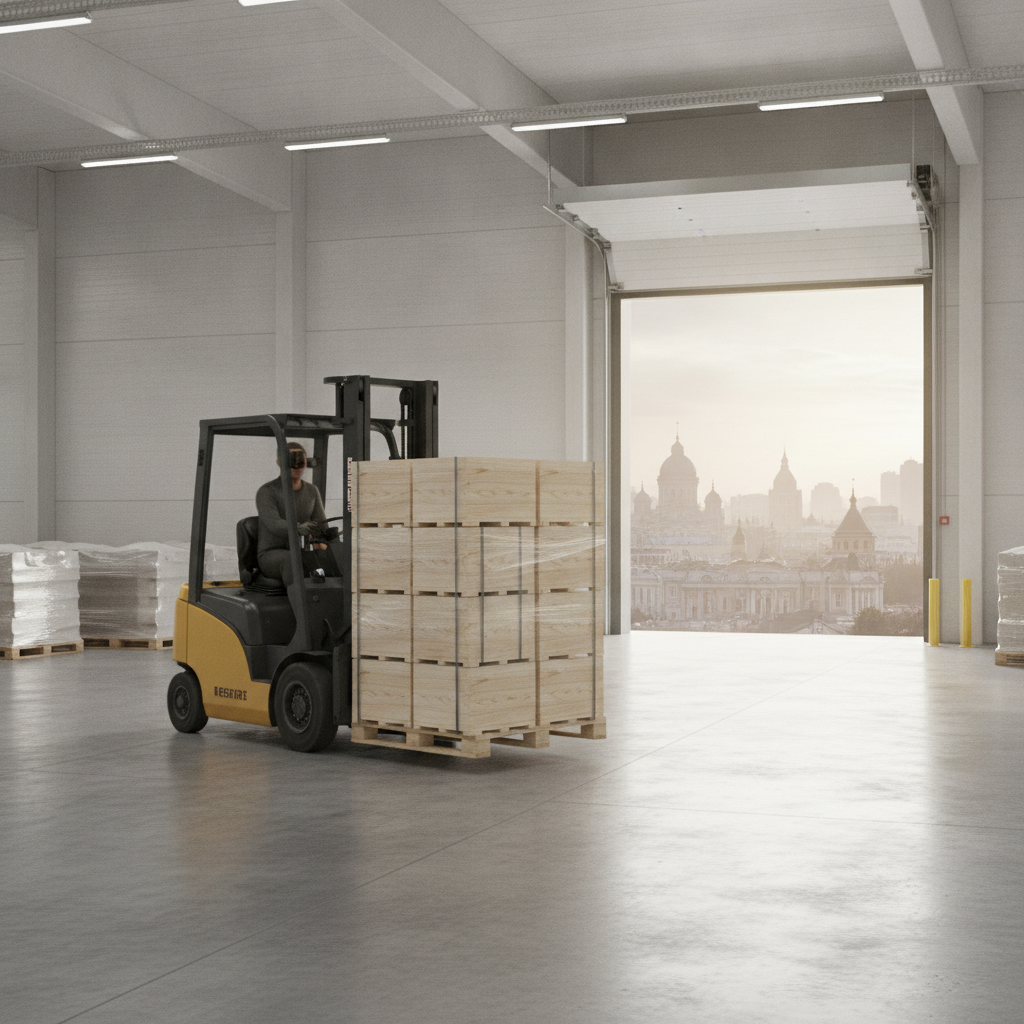
Exporting wine to Ukraine requires meticulous attention to documentation and compliance with customs and sanitary regulations, described as "very complex and variable." The ICE network in Kyiv provides valuable support in tracking these ever-evolving regulations.
What are the Customs Duties and Trade Agreements in Force?
As of January 1, 2021, customs duties on wines of EU origin imported into Ukraine were eliminated, in line with the EU-Ukraine Deep and Comprehensive Free Trade Area (DCFTA) agreement and a resolution by the Ukrainian Fiscal Service dated 06.01.2016. To benefit from this exemption, it is crucial to correctly demonstrate the preferential origin of the goods in the customs documentation.
What is the Essential Documentation for Importing Wine into Ukraine?
In addition to standard documents for every export shipment (EORI, commercial invoice, packing list, certificate of origin), importing wine into Ukraine requires specific steps. The export invoice must be detailed, itemizing each product. The customs declaration is completed by the importer according to Ukrainian regulations (Order of the Ministry of Finance No. 651 dated 30.05.2012).
Transport documents may include Air Way Bill, CMR (international road consignment note), or TIR carnets, depending on the mode of transport. The packing list must be detailed, itemizing each entry. The certificate of origin is issued in the exporting country.
According to Ukrainian law, the importer is responsible for customs clearance and presenting certificates to customs. It is customary for the Italian producer to send the available certificate to the Ukrainian client before importation. Ukrainian Law on Foreign Economic Activity (Article 6) requires that contracts be drawn up in a form valid according to the Ukrainian Ministry of Economy; it is advisable to always include it among the shipping documents.
What Licenses are Necessary for Wholesale Trade of Alcohol in Ukraine?
Wholesale trade of alcoholic beverages in Ukraine requires a specific license, valid for 5 years, issued under the Law "On State Control over the Production and Circulation of Ethyl Alcohol, Cognac and Fruit Alcohol, Alcoholic Beverages and Tobacco Products." Requirements for obtaining it include a registered storage facility and the availability of product samples. It is essential to verify that the importer holds this active and valid license.
How to Manage Logistics and Risks When Exporting to Ukraine?
The current geopolitical situation necessitates particular attention to logistics and risk management.
How to Plan Transportation to Ukraine?
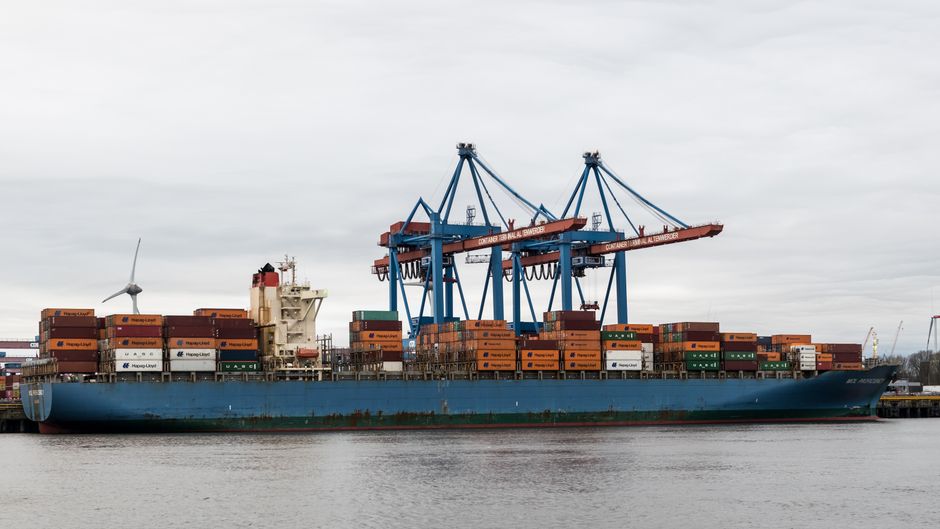
Given the exposure of Ukrainian Black Sea ports to war risks, it is advisable to plan transportation as full truckload shipments, rather than by sea. Relying on logistics operators with decades of experience and specific expertise on the Europe-Ukraine route is crucial. It is also necessary to factor in longer lead times than standard EU practices for customs clearance at the Ukrainian border.
What Insurance Coverage is Recommended for Transit?
It is strongly recommended to take out insurance coverage on the value of the goods for the entire journey, including any prolonged stops at border crossings. Agreeing with the carrier for cargo tracking along the route is good practice for monitoring the shipment.
How to Mitigate Currency and Purchasing Power Risk?
Even when invoicing in euros or USD, the Italian exporter is not entirely immune to risks related to the local currency, the hryvnia (UAH). A depreciation of the Ukrainian currency, coupled with double-digit domestic inflation (as recorded in 2024), can make imported wine more expensive in terms of local purchasing power, with potential impacts on future sales volumes.
Operational Checklist for Currency Risk:
- Always denominate contracts and invoices in Euros or USD, not in Hryvnia, to transfer direct exchange rate risk to the importer.
- Verify the updated NBU currency control regime and realistic fund transfer times with the importer before each supply.
- Monitor EUR/UAH exchange rates and Ukrainian inflation as indirect indicators of price sustainability for the end consumer.
- Consider general macroeconomic indicators (public debt, budget deficit) in the overall country risk assessment.
What are the Support Channels for Initial Commercial Approach?
For an effective initial commercial approach, it is advisable to leverage the Italian institutional channels present in Ukraine.
- Institutional Channels: The Italian-Ukrainian Chamber of Commerce (CCIPU) and the ICE Kyiv network offer free information support and can help identify verified contacts.
- Operational Verification: Before any communication, it is essential to verify the current operational status of the importing company, considering the ongoing conflict.
- Industry Events: Participation in events like Wine & Spirits Ukraine can offer an opportunity for initial direct contact with operators and international wine judges.
Our Support for Exporting to Ukraine
Wines Export has a pool of several qualified buyers in the Ukrainian market, ready to evaluate new import opportunities. Our network allows us to facilitate targeted contacts and provide strategic support to overcome regulatory and logistical complexities.
To explore how we can support your winery in exporting wine to Ukraine, request a personalized demo.
Frequently Asked Questions
What are the main documents required for exporting wine to Ukraine?
For importing wine into Ukraine, standard documents such as a commercial invoice, packing list, and certificate of origin are required, along with a specific customs declaration completed by the importer and, depending on the mode of transport, documents like Air Way Bill, CMR, or TIR carnets.
Does the Ukrainian importer need to possess specific licenses?
Yes, wholesale trade of alcoholic beverages in Ukraine requires a specific license valid for 5 years, issued under the Law "On State Control over the Production and Circulation of Ethyl Alcohol, Cognac and Fruit Alcohol, Alcoholic Beverages and Tobacco Products."
How can I verify the operational status of a potential Ukrainian importer?
It is crucial to verify the current operational status of the importing company, considering the ongoing conflict. The ICE Kyiv network and the Italian-Ukrainian Chamber of Commerce (CCIPU) can offer information support and help identify verified contacts.
- Exporting Wine to Hungary: A Guide for Wineries
- Exporting Wine to Sweden: A Guide for Italian Wineries
- Italian Wine in Australia: Price and Positioning
- Exporting Wine to the Czech Republic: A Guide for Italian Wineries
- Italy-Brazil Wine: Pricing and Export Strategies
- Exporting Wine to Poland: A Guide for Italian Wineries