Wine importers in South Africa: who buys Italian wine, the role of Prosecco and the channels
Wines Export Editorial · Last updated:
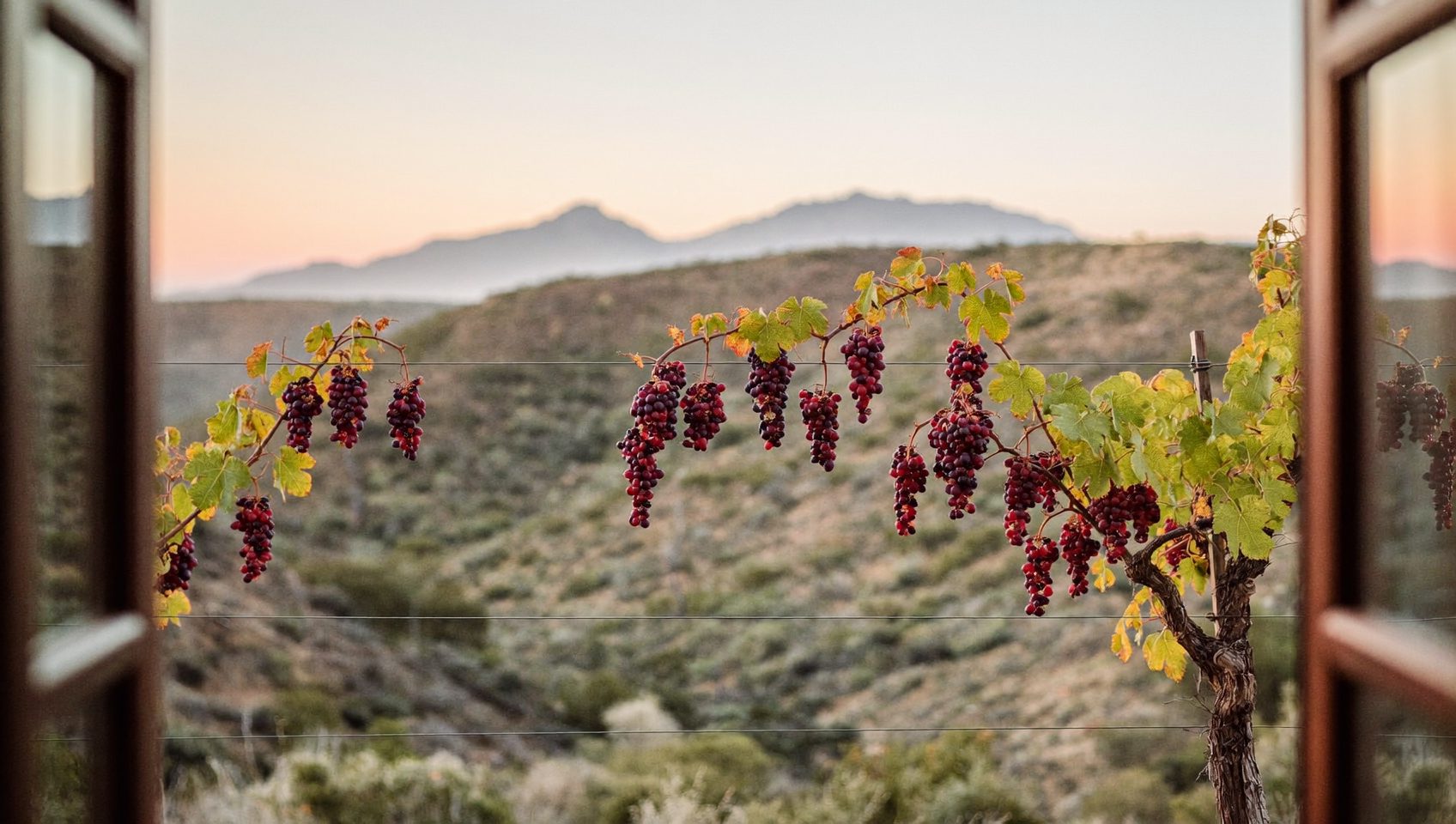
South Africa is a major wine-producing country, but as an import market it carries little weight in the statistics that an Italian buyer consults first. Anyone who wants to sell Italian wine should start with the specialised importers in Johannesburg and Cape Town, who work with restaurants, wine shops and large retail chains on different logics. Sparkling wine is the category with the most to offer on the table, and Prosecco finds its place above all where there is already an Italian restaurant scene to start from. Before choosing a channel, it is worth understanding how the tax system treats wine, because the guide to wine production in South Africa explains the starting framework, while this article focuses on who buys.
How much wine South Africa imports and why the data must be read with caution
The first figure people look for is the import volume, and here caution is essential. The official sources listed below do not publish a verified import figure. The Comtrade series and customs statistics by product code are the right starting point, but they should be downloaded by year and by category before you set a sales target. An entry plan built without that data remains an estimate.
What can be stated with certainty concerns taxation. The Excise page of the South African Revenue Service lists wine and vermouth among the alcoholic products subject to excise duty, applied across the whole SACU area, which comprises South Africa, Botswana, Lesotho, Namibia and Eswatini. The SARS text links this duty mainly to those who produce and handle the products in the country, so for wine arriving from abroad your importer must clarify with customs how the duty applies to your case.
Another useful data point concerns the weight of consumption taxes. According to SARS, excise duties and related levies produce around ten per cent of the agency's total revenue. The figure does not refer to wine alone, but it shows that these categories carry considerable weight in South African tax revenue.
Who the specialised importers of foreign wine are
A South African wine importer is not a generalist wholesaler. It works with licences, bonded warehouses and professional customers, and it must hold a clear position with customs and with excise. For your winery, the first contact should be chosen according to its ability to manage the tax side as well as its commercial relationships, because a documentation error is paid for in price and delivery times.
The SARS text states that relevant entities must obtain a licence from the Excise office before producing or handling products on which the duty has not yet been paid. Ask a potential importer whether it holds this licence or relies on an authorised warehouse, and who handles the periodic declaration. A vague answer on this point is a warning sign not to be underestimated.
There is also a second level of information, one that does not buy the wine but helps you understand who does. Wines of South Africa (WoSA) presents itself as a non-profit organisation responsible for promoting South African wine exports in key markets. The website lists international offices and a series of monthly newsletters on market activity, numbered up to the ninth edition of 2026. The newsletters do not replace an importer, but they show which markets the sector is pushing and through which events.
Chains and liquor stores: Makro, Checkers, Tops
Besides specialised importers, wine reaches the shelves through large retail chains and liquor stores. The chains and liquor stores active in South African retail include Makro, Checkers and Woolworths, with Tops among the liquor stores; how each of them buys wine has to be checked case by case. The official sources listed below do not describe the purchasing policies of these chains, so no shares, listings or payment terms are attributed to them here.
The most prudent method is to verify, before any proposal, who imports for each chain and in what volumes. The most likely route for a medium-sized foreign winery is an importer or distributor that supplies the chain, not direct purchase from the winery. Check this chain by chain, because the rules can change from one chain to another and from one price category to another.
Large-scale retail also requires labelling and documentation that are ready to use. Before proposing the wine, prepare an English technical sheet with the production data, the designation and the alcohol content, so the buyer can assess the product without relying on an improvised translation.
Johannesburg versus Cape Town: two different consumers
Johannesburg and Cape Town do not make up the same market. The Sandton district, home to high-end restaurants and hotels, is the typical setting for business dining and for customers looking for a wine to pair with their meal. For an Italian winery it is an environment to consider when evaluating the restaurant channel.
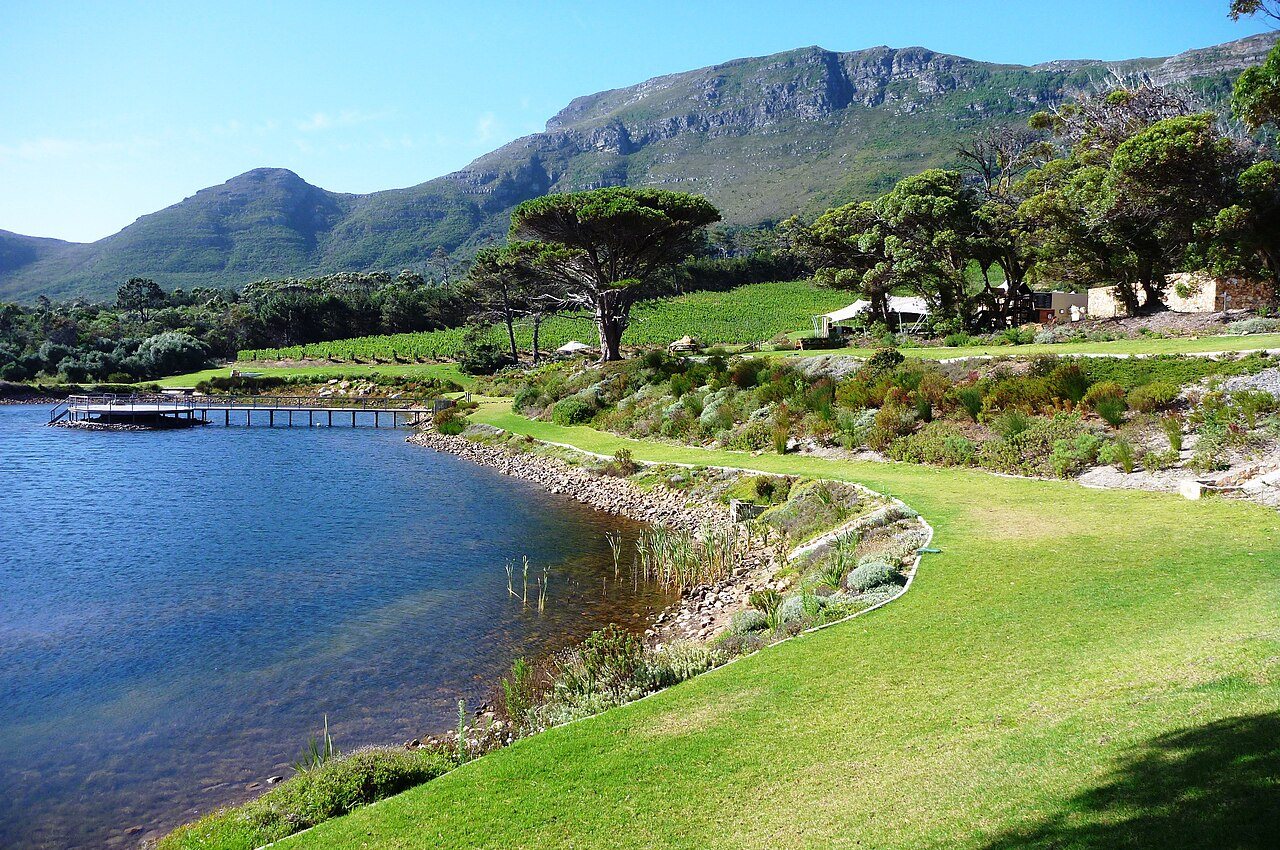
Cape Town, by contrast, has a direct relationship with the wine territory. WoSA devotes sections to wine regions, routes and wine tourism, a sign that in the Cape area local wine is tied to the land and to tourism. To understand the regional picture, you can read the page on the Western Cape regions, which explains where production is concentrated and which areas carry most weight in the domestic market.
For an Italian winery the choice is not obligatory. The two cities should be assessed separately, asking the importer how the on-trade channel and Italian restaurants behave in each. An importer working in both cities must have a distinct strategy for each.
Prosecco versus Cap Classique: where the space lies
Cap Classique is the sparkling wine produced in South Africa using the traditional method, that is, with second fermentation in the bottle, and it competes with Prosecco in the same restaurant and by-the-glass space. The difference lies in the technique and in the history of the designation: Prosecco is an Italian wine with its own production regulations, while Cap Classique is a South African category born in the local context. Anyone proposing Prosecco must therefore explain why their product deserves a place on the menu alongside a well-known local wine.
Room for Prosecco opens where the customer looks for a light sparkling wine that is easy to pair, or where Italian restaurant culture already has a strong identity. In the channel of Italian restaurants abroad, wine is part of the venue's identity, and this makes it easier to introduce a sparkling wine of recognised origin. In retail the comparison turns on shelf price and visibility, and Cap Classique starts with the advantage of proximity.
For Italian red the competition is different. The South African consumer knows local reds well, and an Italian red should be presented through the story of its grape variety and its pairings rather than through the name of the region alone. Sparkling wine remains the simplest entry point, while red requires more time and more tastings in restaurants. The guide to importers of foreign sparkling wine and Prosecco shows how this proposal is built for other markets, with criteria that can be adapted.
How to reach a South African importer
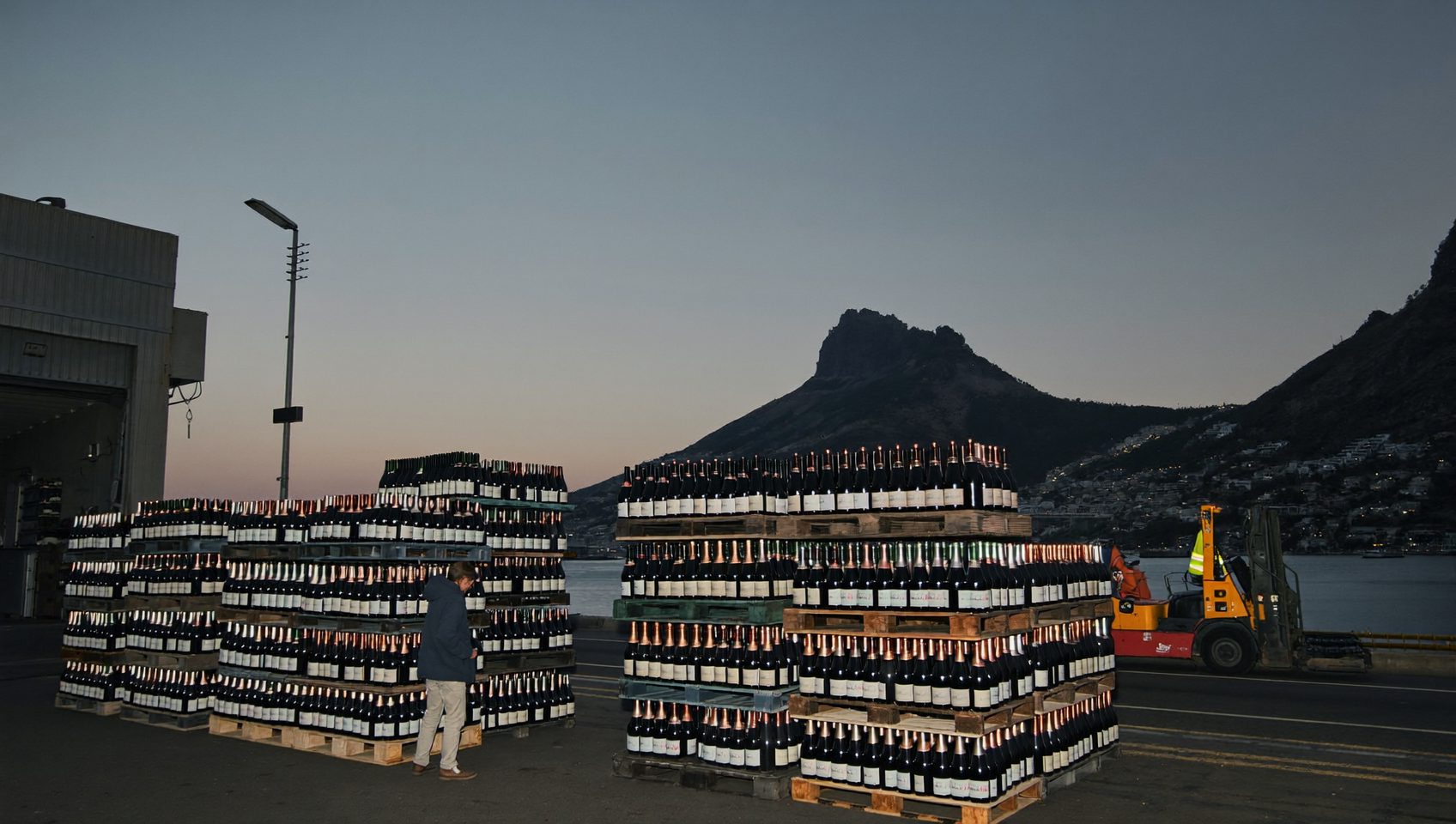
The first step is to prepare a file that an importer can read in ten minutes. It should contain the English technical sheet, a description of the winery, the volumes available, the ex-cellar price in euros and the product category. Without these elements the conversation stops at the first question.
The second step is choosing which importers to write to. It is not advisable to send the same proposal to everyone: it is better to select importers that already work with Italian restaurants or with sparkling wine, because they know how a product of this kind is presented. The Italian restaurant channel abroad explains why this lever matters more than many generic campaigns.
The third step concerns documents. Wine entering South Africa must pass through customs and the excise check, and the importer must know which documents are needed before shipment. Ask in writing which documents your freight forwarder must prepare and which office receives them, so you avoid surprises at the port or airport.
Excise and documents: what SARS says
The table summarises the points of the SARS page that directly affect wine. The information concerns the duty across the SACU area and the payment procedures, and it must be verified with customs for every shipment.
| Element | What the SARS source says |
|---|---|
| Products subject to excise | Wine and Vermouth, together with other alcoholic products |
| Area of application | The whole SACU area: South Africa, Botswana, Lesotho, Namibia and Eswatini |
| Payment | Self-declared by the customer with a periodic declaration, monthly or quarterly depending on the product |
| Licence | To be obtained before producing or handling products on which the duty has not yet been paid |
| Excise offices | 14 offices across the country, with a list and contacts on the SARS website |
The table shows that the duty is managed by period, not per transaction. For an importer this means planning cash flow and declarations regularly, because a late declaration weighs on the relationship with the supplier. The SARS site also states that deadlines are published by year, so it is worth consulting them before setting up a supply contract.
Frequently asked questions
How much Italian wine enters South Africa each year?
This article does not report an import figure, because the figure must be taken from Comtrade series or customs statistics by product code. Download the series for the most recent year before setting a sales target. Without that data, the entry plan remains an estimate.
Is Prosecco found in South African supermarket chains?
The official sources listed below do not describe the chains' product listings. Check with the importer which chains stock Italian sparkling wine and under what conditions. The answer can vary from one chain to another.
Who pays the excise on imported wine?
The SARS text links the duty to producers and provides for periodic declarations with monthly or quarterly payment. For imported wine, ask your importer and your freight forwarder how customs applies the duty in your specific case.
Is Cap Classique in direct competition with Prosecco?
Both are sparkling wines and appear on the same consumption occasions, but Cap Classique is produced locally using the traditional method. Competition is strongest in restaurants and on price by the glass. Ask the importer what positioning its customer seeks before setting up your offer.
Sources
Who buys wine in South Africa? A few names
The Wines Export database covers the whole wine trade in South Africa: importers, distributors, wholesalers, wine shops and online stores, city by city, updated continuously (23 November 2026). The Italian denominations most carried by buyers in South Africa, in order: Prosecco, Sangiovese, Pinot Grigio, Vermentino and Barbera.
Cape Town
Bar Keeper Liquor Store - Cape Town · Maspark Sales and Marketing · Beverage People
Johannesburg
multisnack.co.za · On The Run Marketing · Urban Foods-Fresh Produce Wholesaler
Pretoria
Ocean Breeze Food Merchants cc · JOHHNY'S LIQUOR DISTRIBUTION · Johnny's Liquor
- Japan wine importers: retail, restaurants and who buys
- Wine Importers in Austria: Who Buys and How to Contact Them
- London Wine Fair for Italian wineries: UK duty and samples
- Hong Kong wine importers: zero duty and Asia hub
- Italian wine in Australia: positioning, channels and WET
- French supermarket Italian wine: foire aux vins and buyers