London Wine Fair for Italian wineries: UK excise, samples after Brexit and buyers
Wines Export Editorial · Last updated:
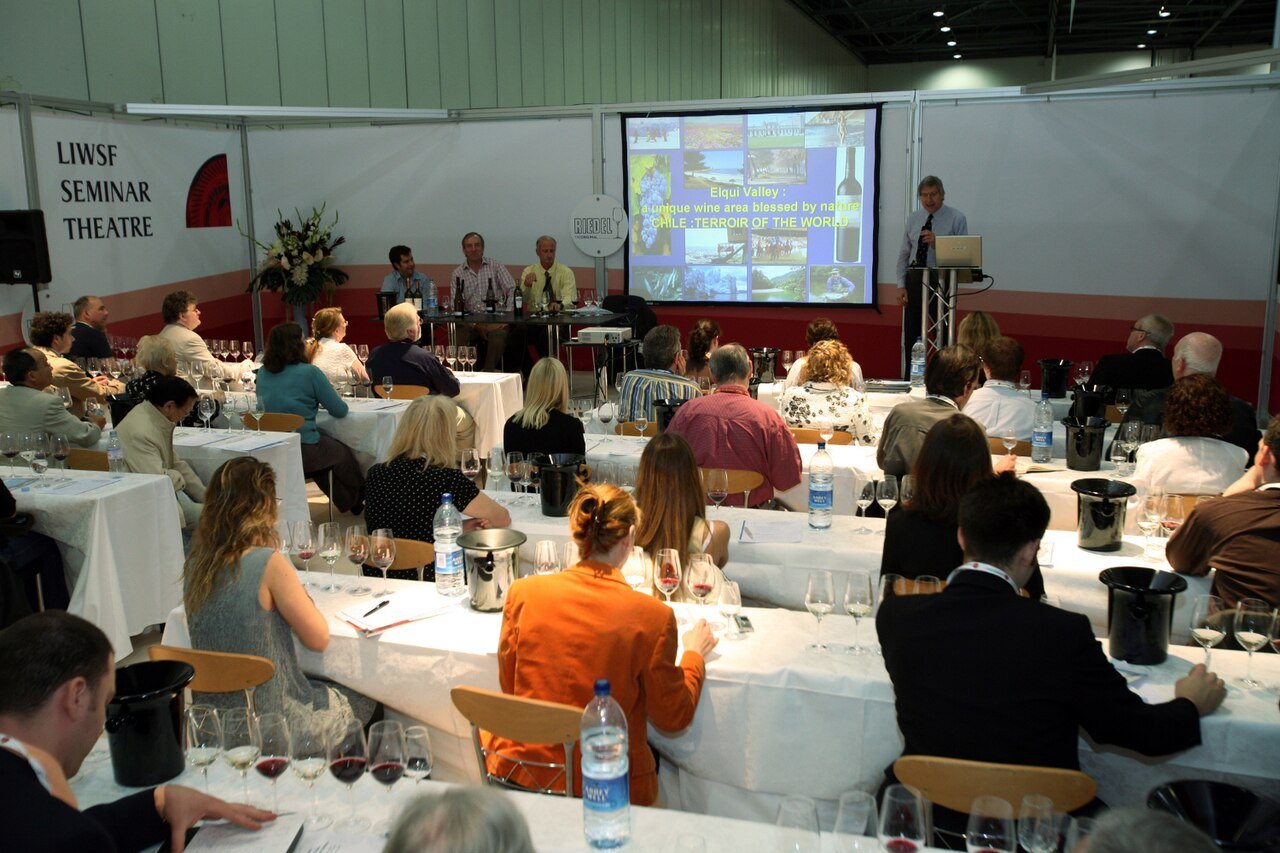
The London Wine Fair is the wine trade fair in London where an Italian winery can meet importers, merchants and on-trade buyers from the United Kingdom in one place. To exhibit or to send samples, you need two pieces of information: how much excise duty wine pays in the United Kingdom and which customs procedures apply after Brexit. This article covers both, using data from the official GOV.UK and ICE pages. It also flags the figures that the official pages do not publish and that you should verify before deciding. For sales channels in the country, see wine importers in the UK: sales channels.
Who visits the London Wine Fair and which data is missing
The fair's audience is made up of wine professionals: importers, distributors, merchants and buyers for restaurants, hotels and pubs. The official sources cited, namely the GOV.UK tariff guide and the ICE page on the United Kingdom, do not report the number of visitors or their breakdown by category. Before booking, read the exhibitor information published by the organiser, which states who enters the fair and with what type of accreditation.
Formats and participation costs: what to ask before booking
Wine fairs of this kind usually offer several options: an individual stand, participation within a national or regional pavilion, and shared spaces for small producers. ICE runs national participations and promotional initiatives in the British capital: its page on the United Kingdom reports a national participation at IFE London 2027 and the Italian Wine Exchange in London in the 2023 and 2024 editions. The cost of a stand and the pavilion fees do not appear in the official sources cited. Ask for the quote in writing and compare what it includes: space, fit-out, tastings, transport and sample management.
Bringing wine and samples into the United Kingdom after Brexit
Since 1 January 2021 the United Kingdom has been outside the European single market, and for wine this means customs declarations and, in most cases, the involvement of a freight forwarder or an authorised express courier. The ICE Brexit archive refers to a GOV.UK list of customs agents and express couriers valid from 1 January 2021: this is the starting point for choosing who handles the import of your samples. Wine enters as a product subject to excise duty, so even the bottle that arrives at the fair must be declared correctly. For the full shipping process, see exporting wine to the United Kingdom.
Check with your forwarder two separate lists of documents: one for the sample intended for the fair and one for the first commercial supply, because the rules change with the purpose of the shipment. Ask in writing which customs code applies to your wine and which alcohol strength is declared, because the strength determines the duty.
How much excise duty imported wine pays in the United Kingdom
The GOV.UK Alcohol Duty guide, updated to 1 February 2026, sets the duty per litre of pure alcohol. For wine, including sparkling wine, the bands are as follows:
| Strength (ABV) | Duty in GBP per litre of pure alcohol | Example: 750 ml bottle |
|---|---|---|
| 0 - 1.2% | 0.00 | 0.5% pays GBP 0.00 |
| 1.3 - 3.4% | 9.96 | 3% pays GBP 0.22 |
| 3.5 - 8.4% | 26.61 | 5% pays GBP 1.00 |
| 8.5 - 22% | 30.62 | 13% pays GBP 2.99 |
| Over 22% | 33.99 | 25% pays GBP 6.37 |
The examples in the third column are calculated as bottle volume in litres, multiplied by the strength, multiplied by the band rate. They do not include VAT or transport. A 13% wine in a 750 ml bottle pays about GBP 2.99 in duty alone; a 5% wine pays about GBP 1.00. The figure that matters to the buyer is therefore the band, that is, the strength you declare on the label. For the detailed calculation with intermediate strengths, see UK excise duty by wine strength.
Which UK buyers you will meet and what they ask about price
A UK buyer thinks in terms of delivered or ex-warehouse prices, not cellar-door prices. When they ask for a price, they want to know how much duty is already included in the figure, because the tax changes with strength and a 5% wine and a 13% wine carry very different duty per bottle. Importers and agency importers also assess the cost of transport and customs clearance, which is added to the starting price. On-trade buyers, that is restaurants, pubs and hotels, instead look at the retail price and the margin left for the wine list.
Therefore prepare a sheet with the strength on the label, the bottle volume and the price in GBP both with and without duty. This way the buyer can compare your offer with the bands in the table without having to rebuild it. To understand how the on-trade channel works, see on-trade in the United Kingdom: restaurants, pubs and Italian wine.
Alternatives to London and side events
If the London fair does not cover your segment, or if the budget does not allow a stand, ICE lists other events in the capital. Among the initiatives on its United Kingdom website are IMBIBE Live in 2023 and 2024, an event dedicated to the drinks sector, and the Italian Wine Exchange in London in the 2023 and 2024 editions. Comparing these events with the wine fair helps you understand which audience you actually reach. For an overview of international wine fairs, see international wine fairs: how to choose them.
Frequently asked questions
How much excise duty does a bottle of wine pay in the United Kingdom?
It depends on the strength, because the rate applies per litre of pure alcohol. For a 750 ml bottle at 13% it comes to about GBP 2.99 in duty alone, according to the GOV.UK table updated to 1 February 2026.
Do I need a customs agent to ship wine samples to London?
After Brexit, shipments to the United Kingdom require customs declarations. The GOV.UK list of customs agents and express couriers, referenced in the ICE Brexit archive, helps you choose an operator. Ask your forwarder which documents are needed for the sample.
How many people visit the London Wine Fair each year?
The official sources cited at the end do not report this figure. Ask the organiser for updated numbers, with the breakdown of visitors by category, before deciding whether to exhibit.
Is a pavilion or your own stand at the London fair the better option?
It depends on the budget and the number of products you want to present. A pavilion shares fit-out costs with other wineries, while your own stand gives you more control over meetings. Compare the quotes in writing, because the fees are not published in the official sources cited at the end.
Sources
Who buys wine in the United Kingdom? A few names
According to the Wines Export Observatory (November 2026), the Italian denomination most carried by wine buyers in the United Kingdom is Prosecco: 41% of those whose Italian range we know carry it, followed by Primitivo (22%) and Montepulciano (18%).
The Wines Export database covers the whole wine trade in the United Kingdom: importers, distributors, wholesalers, wine shops and online stores, city by city, updated continuously (23 November 2026). The Italian denominations most carried by buyers in the United Kingdom, in order: Prosecco, Primitivo, Montepulciano, Pinot Grigio and Barolo.
London
Matthew Clark Bibendum · Ops Wines Ltd · FARR VINTNERS LIMITED
Glasgow
Alchemy Drinks Wholesale · United Wholesale (Scotland) Ltd · The Wine Cru Ltd
Manchester
FOURTH WAVE WINE PARTNERS UK LTD · SKINNY CIDER LIMITED · GLAMORGAN BREWING COMPANY LIMITED
- Italian wine in Australia: positioning, channels and WET
- Japan wine importers: retail, restaurants and who buys
- Italian Wine in Brazil: Positioning, Channels and Taxes
- South Africa wine importers: who buys Italian and Prosecco
- Italian Wine in Ecuador: Pricing and Positioning
- Wine Importers in Austria: Who Buys and How to Contact Them