OCM wine promotion third countries: how the call funds trade fairs and tastings
Wines Export Editorial · Last updated:
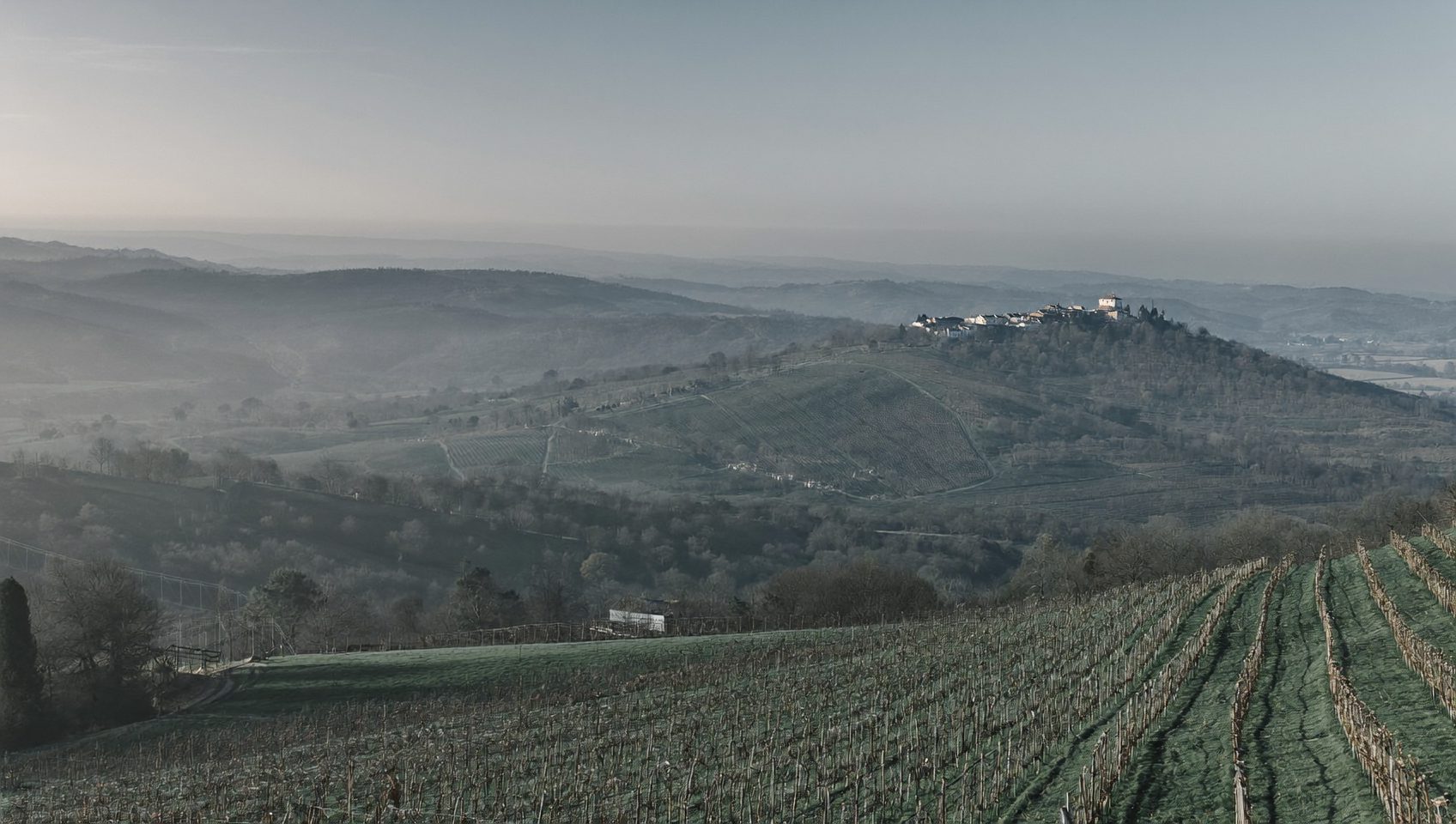
The OCM wine promotion measure co-finances part of the costs you incur to make your wine known in non-EU countries: trade fairs, guided tastings, visits by foreign operators (incoming), informational materials and digital activities. The mechanism is based on European regulations and is implemented in Italy through a national decree and calls that can be national or regional, so the rules change from year to year and from region to region. This article explains who can submit an application, which costs are eligible and which are not, how the project is organised over time, and where reporting most often stalls. To prepare for the fair, see the 90-day budget checklist for a trade fair abroad and the cost items of a first market.
What the OCM wine promotion measure is and which regulations it is based on
The common market organisation (OCM) for wine is the European framework that supports the wine sector, and promotion in third countries is one of its measures. The measure does not apply automatically: a call is needed that defines the eligible countries, the beneficiaries, the fundable actions and the reporting rules. To understand the framework, it is advisable to start from the reference texts listed in the sources, namely Regulation (EU) 2021/2115 and Delegated Regulation (EU) 2022/126, available in the official version on EUR-Lex.
The part that matters to the winery is always the same: the grant covers a share of the eligible and documented costs. For promotion in third countries, Union assistance may not exceed 50% of eligible expenditure (Article 59(7) of Regulation (EU) 2021/2115): the rest is borne by the beneficiary, and the call may set lower rates. The call may provide for an advance payment, usually against a guarantee, while the balance is paid only after reporting. For this reason, the call should be read as a grant conditional on compliance with the project. If the project does not follow the approved plan, the grant may be reduced or not paid out.
Interventions in the wine sector fall within the framework of the common agricultural policy, and the Ministry of Agriculture, Food Sovereignty and Forestry (Masaf) manages the national part of the rules. Regions may publish their own implementing calls, with different priorities and deadlines. For this reason, the rule of one year or one territory cannot be copied to another.
Who can take part: single wineries, ATIs, consortia
The call defines who can submit an application. In general these are wine producers, temporary business associations (ATI) set up for the project, and consortia, but the precise conditions vary. Check in the call the registered office, the registrations required, the type of activity and any minimum or maximum size.
A single winery must demonstrate that it is entitled to promote its own wine. An ATI must name a lead partner and allocate costs among the participants in a way consistent with the project. A consortium can submit collective projects, but it often has to show which members take part and how costs are assigned to each of them.
In practice, the projects that are easiest to report are those of a single company with a few actions. A project shared among several parties requires a written agreement before the application and separate accounting for each participant. An ATI without a clear allocation of costs often discovers the problem only at the reporting stage.
Eligible actions: trade fairs, tastings, incoming, materials, digital
The fundable actions are those listed in the call. Usually included are participation in trade fairs in third countries, tastings organised for operators, hosting of foreign buyers and journalists (incoming), production of promotional materials and certain digital activities. Each item has its own rules on what it includes and what must be kept.
| Action | Typically considered expense examples | What to keep for reporting |
|---|---|---|
| Trade fairs in third countries | Rental of space, stand fitting, shipping of samples | Contract with the fair organiser, invoices, shipping documents |
| Guided tastings | Venue, external staff, wine served | Programme, list of participants, invoices and receipts |
| Incoming | Hosting of foreign buyers or journalists | Invitation, visit programme, travel and accommodation documents |
| Promotional materials | Printing of sheets, catalogues, multilingual materials | Approved drafts, invoices, physical copies of the materials |
| Digital activities | Online campaigns, content for foreign markets | Supplier contracts, results reports, invoices |
Excluded costs are the most frequent sources of challenge. The call usually does not recognise the internal time of winery staff, general overheads not directly linked to the action, and the purchase of durable goods that remain in the company. Costs incurred before the eligibility date also do not enter the project. Before committing an amount, check the item in the call's list and ask the managing body for written confirmation.
For trade fairs, the choice of event matters as much as the cost item. A project that specifies a fair with details on the audience and the operators present is easier to justify than a generic one. The topic is also covered on the page dedicated to international wine fairs.
National call and regional calls: differences and deadlines
The national call sets the general rules and may reserve funds for certain countries, actions or beneficiaries. Regional calls apply the same basic rules but may add territorial priorities, spending limits or different deadlines. A winery operating in several regions should therefore compare the calls before choosing where to submit the project.
Deadlines are the most fragile point. The call sets a window for the application, a start date for eligible activities and a deadline for completing the project. If the fair is scheduled between the application and the end of the eligible period, the margin is tight and requires month-by-month planning. A common mistake is starting to pay the first supplier before the project has been approved.
It is also worth checking whether the call changes the eligible countries. A market that was fundable the previous year may no longer be, or may be supported only with specific actions. Do not assume that a project approved in the past can be replicated without a new check.
Reporting: what AGEA and the regions require
Reporting is the stage at which the grant is recognised or reduced. In general, the winery must submit documentation for every expense, proof of payment and a report on the activities carried out. AGEA, the paying agency for European agricultural funds in Italy, checks the regularity of payments and their consistency with the project, while the regions verify the conditions set in their own calls.
Invoices must be correctly addressed, describe the subject of the expense and show the reference to the project when the call requires it. Payment must be traceable: a bank transfer or another verifiable means, not cash. Expenses partly paid from another source of funding must be separated with precision.
The final report must link each item to the activities carried out: which fair, which tastings, how many participants, which materials were distributed. Photos, press reviews, lists of contacts collected and digital reports are useful evidence, but they do not replace invoices. The four errors that most often block payment are: invoices not referring to the project, untraceable payments, expenses outside the period, and items not included in the approved budget without an authorised variation.
The practical rule is to open a project file from day one, with a folder for each cost item. Those who wait until the end of the event to collect documents often lose some of the ones they need.
When it pays off and when it does not for a small winery
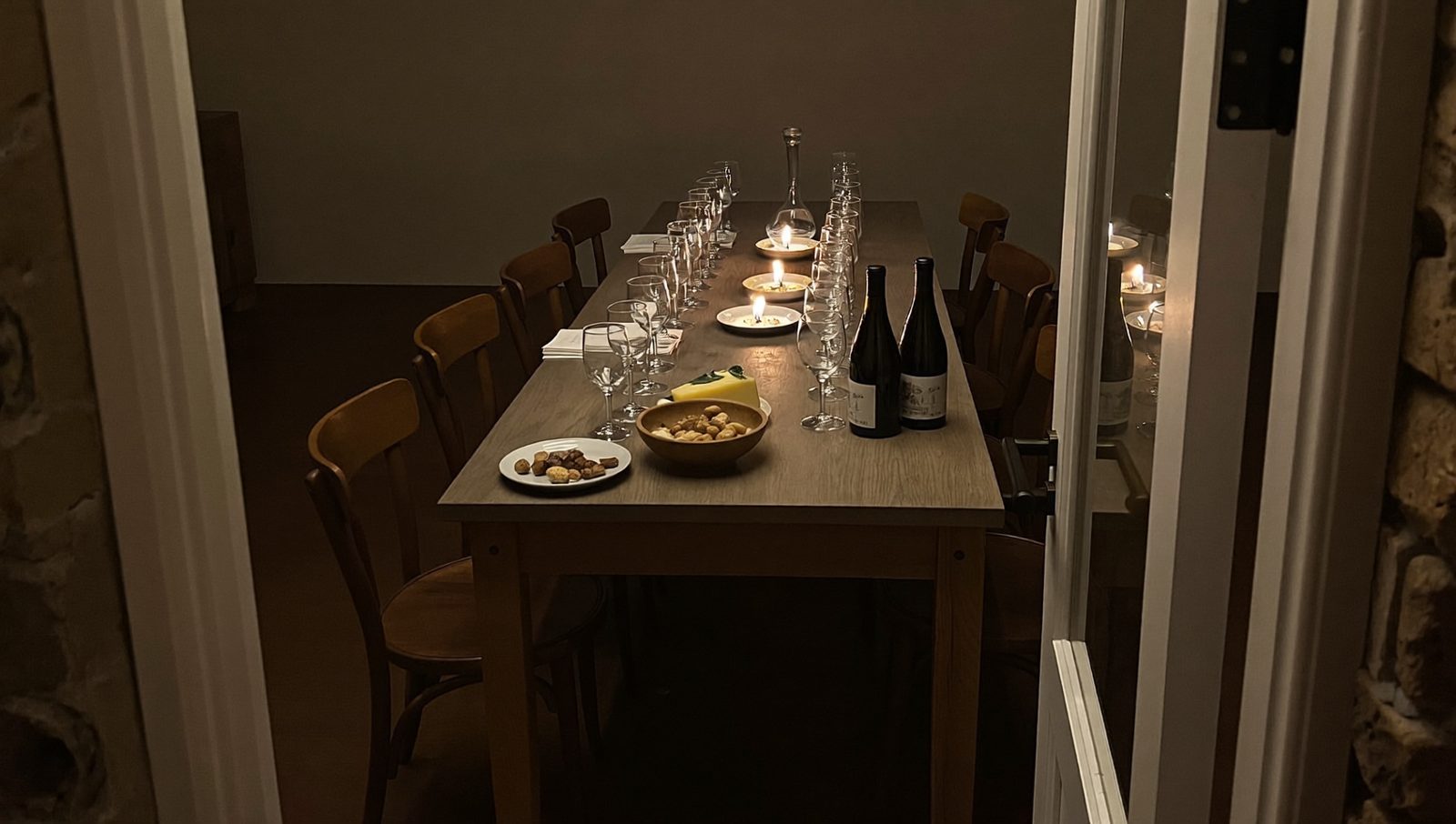
The grant makes sense when the project is already planned and the winery can sustain the expense, or provide the guarantee required for any advance. If the company does not have the liquidity to cover the total cost of the fair or project, the balance arrives after months and can create a cash-flow problem. For a small winery, the first calculation to make is exactly this: how much the whole project costs, how much must be advanced and when the refund will arrive.
The grant is less worthwhile when the country is not a commercial priority. An action funded in a market where no importer or distributor is available produces contacts but rarely sales. It is more worthwhile when the winery already has an export plan and knows which operator it wants to meet. In this case, the page on the six-step export plan helps link the action to the strategy, while the underlying question is summarised on the page on when exporting really pays off.
A final check concerns internal time. The call may not reimburse, or may reimburse only in part, the work of those preparing the project, but that work exists and must be estimated. If preparing the application, following the fair and collecting documents takes one person for weeks, the real cost is higher than the net grant. This calculation is what decides whether to submit the project or postpone it to a later call.
Frequently asked questions
Are the shipping costs for samples eligible under the promotion measure?
It depends on the list of eligible costs in the call in force, which may include or exclude the shipping of samples. Check the item before committing the expense and keep the shipping documents. If the item is not explicitly provided for, request written clarification from the body managing the call.
Can a consortium apply on behalf of its member wineries?
It can, when the call allows it and when the participating wineries are named in the project. Each member must be able to demonstrate the expenses attributed to it. A written agreement between the consortium and the wineries avoids disputes at the reporting stage.
Can a fair be booked before the project is approved?
In general, no, because costs incurred before the eligibility date do not enter the grant. The risk is paying a registration fee or a stand fitting that is then not recognised. Wait for the date indicated in the call and schedule payments accordingly.
Where can I find the call in force for my country?
The national call and the regional calls are published by the respective bodies, while the European texts can be consulted on EUR-Lex. Always check the publication date and the eligible country in the latest version available, because the rules can change from one year to the next.
Sources
- Rectified concentrated must enrichment: EU limits by zone
- MVV and DAS wine documents for small producers in the EU
- Register Your Winery Trademark Abroad Before Export
- Must analysis at harvest: sugar, pH, acidity, YAN
- Registered consignee excise: EU buyer, no bonded warehouse
- Lightweight wine bottle weight limits: monopoly rules, CO2