Enrichment with RCGM, chaptalisation and sweetening: EU limits by vineyard zone
Wines Export Editorial · Last updated:
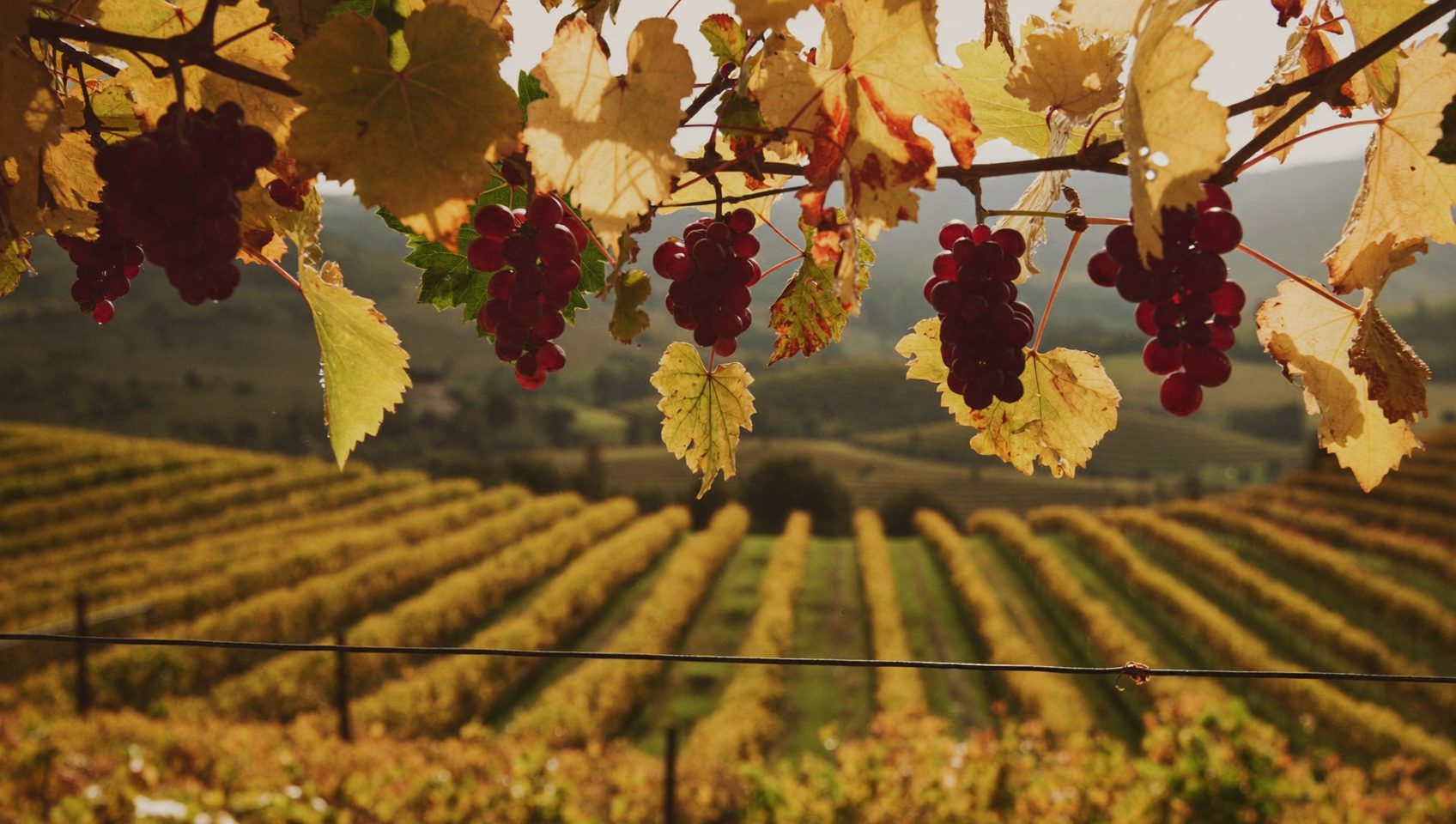
In Italy, the alcoholic strength of a wine may be increased with rectified concentrated grape must, abbreviated RCGM, but not with added sugar. This is the distinction that a foreign importer most often confuses, because in many countries the word "enrichment" refers to the addition of sucrose. The European framework is set out in the regulation on the common organisation of the wine market, while in Italy the general rules on grapevine cultivation and wine production are in Law No. 238 of 12 December 2016. The permitted increase depends on the wine-growing zone in which the vineyard is located, and derogations for difficult vintages must be checked every campaign. The starting point for permitted practices is the page on permitted winemaking practices for export to the USA, Japan and China.
Enrichment, chaptalisation and sweetening: three different operations
The first mistake to avoid is treating three operations with different purposes and rules as if they were the same. Enrichment increases the actual alcoholic strength of the wine, and in Italy it is carried out with concentrated grape must or rectified concentrated grape must. Chaptalisation is the addition of sugar, normally sucrose, to the must or wine in order to obtain more alcohol during fermentation: this practice is not permitted in Italy. Sweetening, finally, acts on the finished wine to leave a higher residual sugar content, and it is governed separately.
The International Code of Oenological Practices of the OIV keeps these items separate. Its list of definitions includes concentrated grape must, caramelised concentrated grape must, sweet wines with residual sugar of grape origin, and mistelle, meaning products obtained by combining must and alcohol. Anyone writing a technical sheet or answering a buyer must use the exact term for the operation performed, because "enriched" and "sweetened" are not synonyms.
| Operation | What is added or done | Where the rule is found |
|---|---|---|
| Enrichment | Concentrated grape must or rectified concentrated grape must | EU regulation on the wine market and Law No. 238/2016 |
| Chaptalisation | Sugar (sucrose) added to the must or wine | Not permitted in Italy |
| Sweetening | Action on the finished wine for residual sugar | Specific rules of the EU regulation and the OIV Code |
EU wine-growing zones and where the Italian winery sits
The European regulation divides the Union's vineyard area into wine-growing zones, indicated by the letters A, B, C I, C II and C III. Each zone has its own limit for increasing alcoholic strength, and the winery does not choose the zone: it follows from the geographic location of the vineyard according to the list annexed to the regulation. For this reason, the first step is to verify the zone of the vineyard before even calculating the possible increase for the wine.
A general indication is also useful for the buyer. A wine produced in zone C III and a wine produced in zone C I do not have the same room for enrichment, even if they share the same designation or the same grape variety. In a technical sheet for export, it is advisable to write the zone of the vineyard next to the designation, so that the reader immediately understands the starting basis.
This article does not reproduce the correspondence between Italian regions and zones, because the table is in the annex to the regulation and must be read in the official, up-to-date text. A producer working in more than one region must check each plot separately, not only the location of the winery.
Alcoholic strength increase limits and derogations
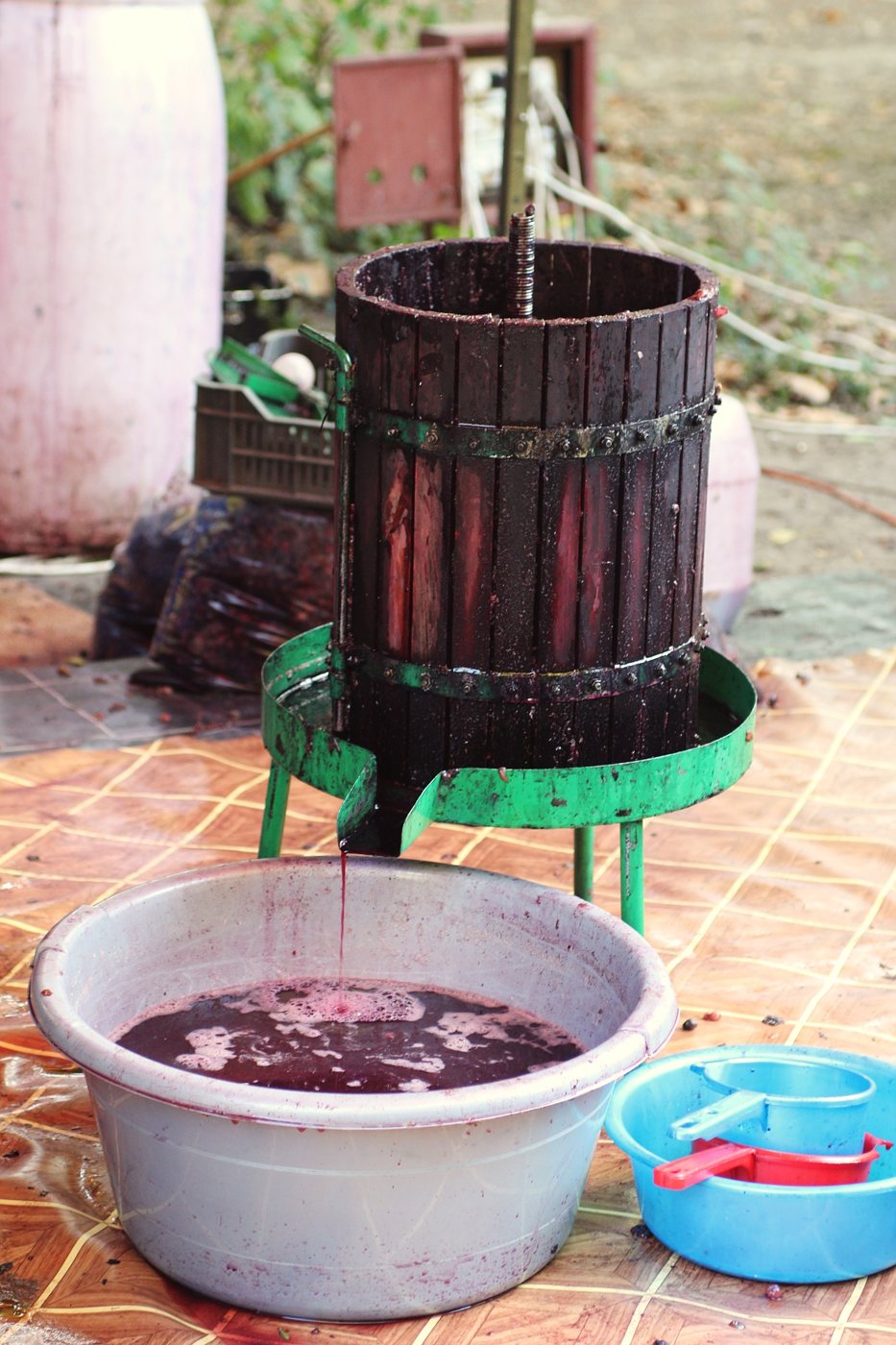
The limits on increase are set by the European regulation and vary by wine-growing zone and, in some cases, by type of wine. This article gives no figures, because the values must be read in the official text in force and not in third-party summaries. Anyone who needs to calculate for a specific lot must start from the vintage's value, the zone of the vineyard and the type of wine, and then compare it with the limit in the regulation.
The regulation also allows derogations in difficult vintages, when climatic conditions significantly reduce grape ripening. Derogations are not automatic: they are decided at national level through specific measures for each campaign. For the current harvest campaign, you must therefore check the vademecum published by ICQRF, which brings together the operational guidance for wineries.
| Item to check | Where it is found | Who checks it |
|---|---|---|
| Vineyard wine-growing zone | Annex to the EU regulation | Winery, with the vineyard register and the Region |
| Limit on alcoholic strength increase | Text of the EU regulation in force | Winery, then ICQRF in case of inspection |
| Derogation for a difficult vintage | National measure for the campaign | Ministry and ICQRF |
A winery that exports must not take a derogation for granted. If an importer asks whether a lot was produced under a derogation, the answer must be verified in the records and documents of the campaign, not reconstructed from memory.
RCGM: what it is, how it is used, what it costs
Rectified concentrated grape must is a concentrated grape must, meaning one from which part of the water has been removed, and then treated to eliminate certain non-sugar components. The result is a liquid product with a high sugar content, used to bring the wine to a higher alcoholic strength after fermentation. The rectification step is what distinguishes it from simple concentrated must and makes it suitable for the oenological use provided for by the rule.
The OIV Code lists the methods by which must may be concentrated: reverse osmosis, partial evaporation under vacuum, partial evaporation at atmospheric pressure, and cold concentration. The method chosen by the winery affects the quality of the final product and its registration, so it must be recorded in the internal documentation.
The cost of RCGM depends on the must market and the season, and it is not given here because we do not have an up-to-date source to cite. When calculating the cost per litre of enriched wine, it is advisable to consider the volume of must required, the yield, and the margin the finished wine must have on the destination market.
Prior notification and recording of the operation
ICQRF, the Central Inspectorate for the Protection of Quality and Repression of Frauds, is the body that controls oenological operations in Italy. The department states that it has 29 offices across the territory and publishes operational documents for every campaign. Among these is the vademecum for the harvest campaign, which sets out the notification and recording obligations to be met before and after operations.
Recording the enrichment takes place in the winery's dematerialised registers, for which ICQRF has published codes and frequently asked questions. An enriched wine travelling abroad must then be accompanied by the documents required for wine products, and ICQRF has published instructions for issuing the electronic accompanying document and for validating it via PEC (certified email).
Prior notification to the competent ICQRF office must be made using the forms and within the timeframes set by the vademecum for the current campaign. The point to remember is that notification does not replace registration: both are required, and in an inspection the inspector compares the two documents. An error in the date or quantity in either one is a problem for the winery even if the wine itself is compliant.
Law No. 238 of 2016 was published in the Official Gazette on 28 December 2016 and entered into force on 12 January 2017. Italian rules for grapevine cultivation and wine production are based on it, including the framework within which enrichment operations fit.
Sweetening the finished wine
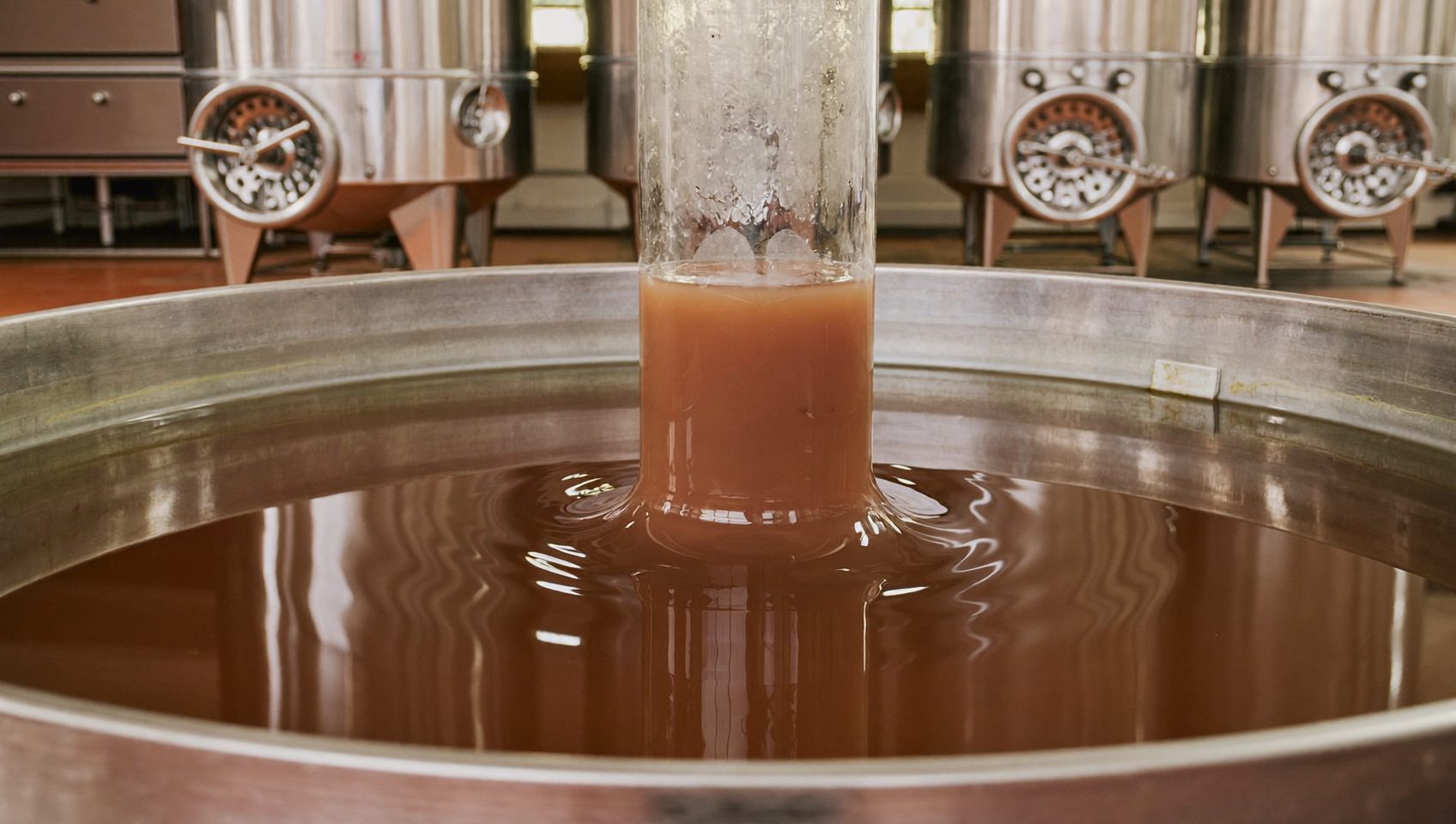
Sweetening is not enrichment. Enrichment raises the alcoholic strength; sweetening leaves a higher residual sugar content in the finished wine. The OIV Code distinguishes sweet wines with residual sugar of grape origin from other wines, and this distinction matters when completing the sheet for the buyer. A sweet wine is not automatically a sweetened wine: it depends on how the residual sugar was obtained.
For the difference between dry and naturally sweet wine, and for how residual sugar is indicated, we refer you to the page on how primitivo, sweet, dry and naturally sweet wines are distinguished. This is the same issue the buyer finds on the label and in the technical sheet, so it is worth clarifying before samples are sent.
The OIV Code also lists the reduction of sugar in musts as a separate treatment. It must not be confused with sweetening: it is an action to lower sugar content, not to increase it in the finished wine.
What to answer a buyer who asks whether the wine is sweetened
The question "is your wine sweetened?" often comes from a German or American buyer, and the correct answer depends on what was done. If the wine received no addition of sugar, the answer is simple: it was not sweetened, and this is demonstrated by the winery's operation records. If instead the wine was enriched with rectified concentrated grape must, the answer must say exactly that, without using the word "sugar".
A useful answer contains three elements: the operation performed, the quantity of must used in relation to the volume, and the final alcoholic strength. The alcoholic strength must be stated in a complete technical sheet, and for the parameters to include you can start from the page on how to complete the wine technical sheet for importers. For the minimum strength required by some Italian designations, the page on alcoholic strength and minimums for DOC and DOCG wines offers a useful comparison.
The case of acidity is different. If the winery corrects the wine's acidity, the operation is not an enrichment and must be described separately, with its own limits. You will find details on this topic on the page about oenological acidifiers: which, when and how much.
Finally, the answer should be given in writing. A buyer who receives a vague phrase such as "no sugar" may ask for a winery declaration or a copy of the records. It is more effective to send a precise statement straight away: the wine was enriched with rectified concentrated grape must in the stated year, with the quantities recorded.
Frequently asked questions
Can sugar be added to wine in Italy?
No. In Italy, the increase in alcoholic strength is carried out with concentrated grape must or rectified concentrated grape must, within the limits of the EU regulation for the wine-growing zone. Chaptalisation with sucrose is not a permitted practice. The term to use with the buyer is enrichment, not chaptalisation.
Is rectified concentrated grape must sugar?
It is a product based on grape must, so grape sugar in concentrated form, and it is different from added sucrose. The OIV Code places it among musts and not among sugar products. In the technical sheet, it is advisable to write it using the exact name of the operation.
Does the foreign buyer need to know whether the wine was enriched?
This depends on the destination country and its labelling and import rules. In any case, it is a frequent question, so it is worth having the operation's record and the final alcoholic strength ready. Check the rules of the country with the importer before shipping.
Where can I find the alcoholic strength increase limit for my zone?
The limit is set in the EU regulation, which assigns each vineyard to a wine-growing zone, and derogations for difficult vintages are decided by national measures. The ICQRF harvest campaign vademecum brings together the operational guidance. For a precise calculation, it is advisable to compare the official text in force with the vineyard's data.
Sources
- Register Your Winery Trademark Abroad Before Export
- OCM wine promotion third countries: fairs and tastings
- Registered consignee excise: EU buyer, no bonded warehouse
- MVV and DAS wine documents for small producers in the EU
- SACE SIMEST wine export financing and credit insurance
- Must analysis at harvest: sugar, pH, acidity, YAN