Wine export from Treviso: Prosecco DOC Treviso, Conegliano Valdobbiadene and Asolo, volumes, markets and how a mid-sized Treviso winery works with importers
Wines Export Editorial · Last updated:
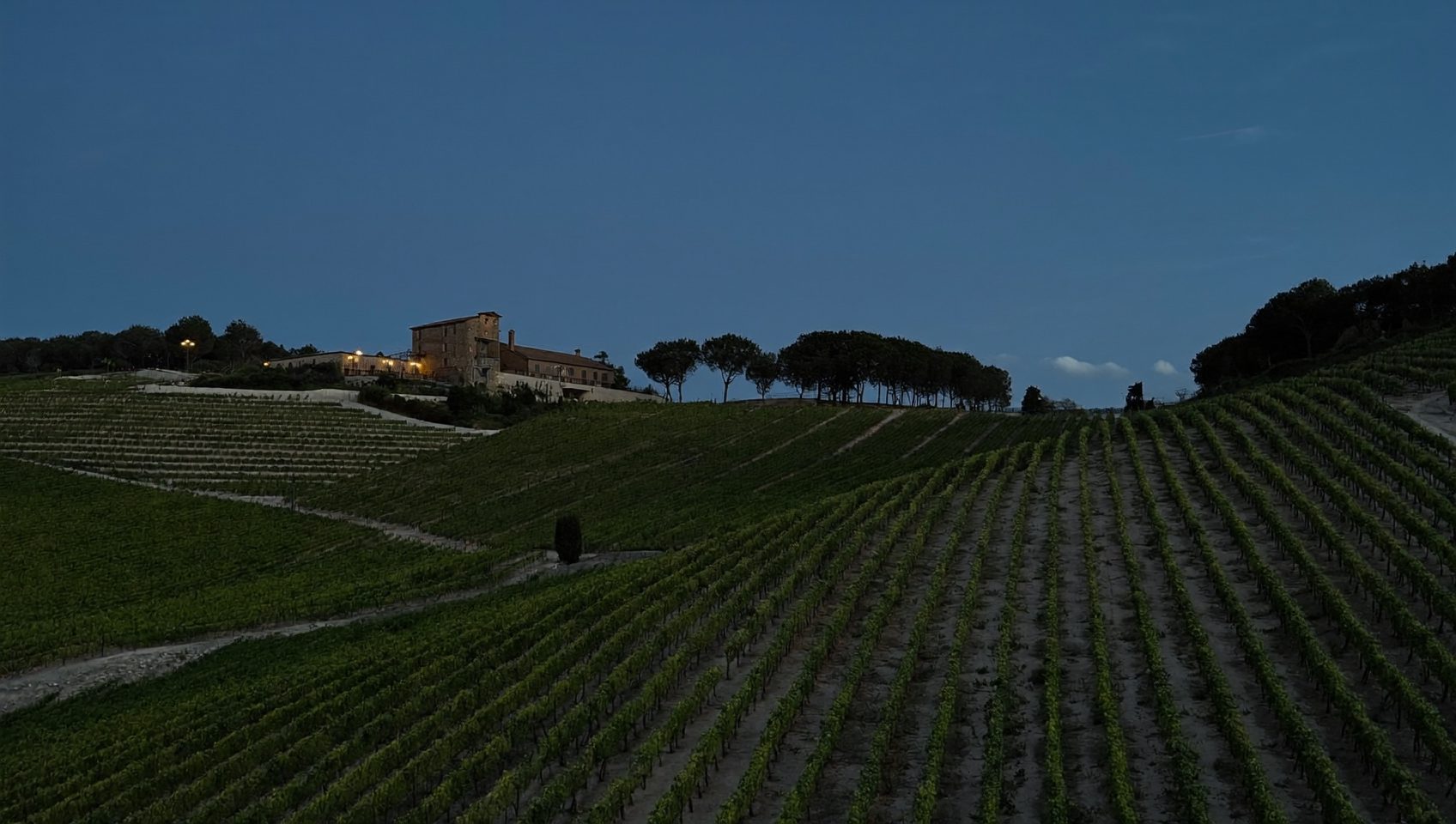
Wine export from Treviso rests on a system that is unique in Italy: within the same province coexist the interregional denomination Prosecco DOC (with the dedicated sub-zone Treviso) and the two hill denominations with Denominazione di Origine Controllata e Garantita status, Conegliano Valdobbiadene Prosecco Superiore and Asolo Prosecco. For a mid-sized winery in Treviso, exporting profitably does not simply mean finding a buyer for its autoclaves, but selecting the right distribution channel to avoid squeezing margins in the price competition of foreign mass retail. Wineries that control the supply chain from vineyard to bottling now have the opportunity to use the provincial geographic designation or DOCG references to enter the catalogues of independent distributors in the HoReCa channel. In this guide we analyse how to structure the commercial offer, which regulatory and production differences weigh in negotiations with international buyers, and how to manage the relationship with importers in mature and emerging markets.
Treviso in figures: Prosecco and the rest of provincial production
The province of Treviso is the historical, technical and productive centre of Italian sparkling wine linked to the Martinotti method. The method, devised by Federico Martinotti at the end of the nineteenth century for natural second fermentation in large sealed vessels (autoclaves), was adopted for the first time precisely in the Treviso area by Antonio Carpenè, one of the founders of the Scuola Enologica di Conegliano in 1876. From this technical transformation emerged a supply chain that today concentrates in the Marca trevigiana the main share of bottlers, pressing centres and sparkling wine houses of the entire North-East.
When you sit down at the table with a foreign importer to set up work on Treviso wineries and export, your counterpart already knows the name Prosecco, but often struggles to read the productive stratification of the province. The ampelographic base of Prosecco rests on the Glera grape, to which the production rules allow the addition of up to a maximum combined 15% of other authorised historical or international varieties: Verdiso, Bianchetta Trevigiana, Perera, Glera lunga, Chardonnay, Pinot Bianco, Pinot Grigio and Pinot Nero vinified as white.
However, the portfolio of a structured winery in the province of Treviso does not end with sparkling wines. To consolidate shipments and optimise logistics cost per pallet, importers regularly ask for still wines from the territory alongside sparklings. In the plain and along the course of the river Piave, wineries produce Pinot Grigio (often claimed under the DOC Venezia or DOC Piave), Chardonnay and easy-drinking or ageing reds such as Merlot, Cabernet Sauvignon and the indigenous Raboso del Piave. In the foothill areas, local white-berried grapes find their place, such as Manzoni Bianco (a cross created precisely in Conegliano) and Verdiso as a single varietal. Offering a foreign distributor a range that combines the steady rotation of sparkling wine with the margin of a still white or a territorial red allows you to occupy more lines on its list, reducing the risk of being replaced at the first change of vintage.
DOC Treviso, DOCG Conegliano Valdobbiadene and Asolo: what changes for export
One of the most frequent commercial mistakes for a mid-sized winery is presenting the different Treviso denominations as mere price tiers of the same wine. A professional buyer needs objective arguments, linked to the production rules and the origin of the grapes, to justify to its own sales force why one bottle costs more than another.
The DOC Prosecco extends over a vast territory of nine provinces between Veneto and Friuli Venezia Giulia: Treviso, Venezia, Vicenza, Padova, Belluno, Gorizia, Pordenone, Trieste and Udine. The soils are predominantly of alluvial origin, with a clay-silt composition, rich in minerals and trace elements, and the maximum yield allowed by the production rules is 180 quintals of grapes per hectare. Within this large basin, however, the wineries of the Marca may claim on the label the geographic sub-zone Prosecco DOC Treviso, provided that the grape harvest, vinification and packaging take place entirely within the boundaries of the province of Treviso. On the international market, the word "Treviso" on the label is not a bureaucratic detail: for many importers it represents a guarantee of a short supply chain and of belonging to the historic district, becoming a tool to differentiate the product from generic Prosecco DOC bottled outside the zone.
Moving up from the plain towards the hill belt between the left bank of the Piave and the Prealps, you enter the territories of the two Denominazioni di Origine Controllata e Garantita:
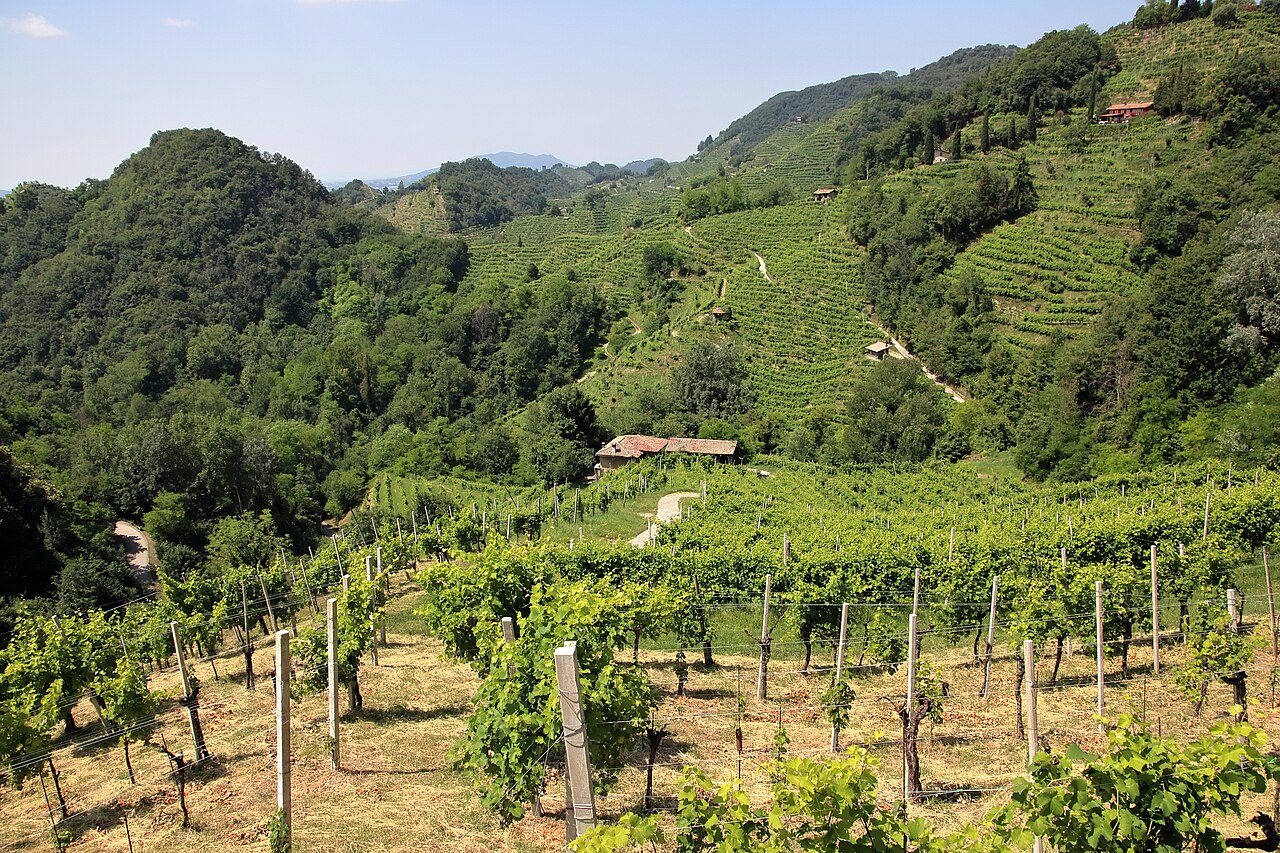
- Conegliano Valdobbiadene Prosecco Superiore DOCG: covers the historic hill ridge between the municipalities of Conegliano and Valdobbiadene, where the steepness of the slopes requires mainly manual vineyard work (including hand harvesting, essential to preserve the integrity of the berries destined for pressing for the mosto fiore or free-run must). It includes the Rive sub-zones, linked to specific municipalities or hamlets, and the qualitative summit of Superiore di Cartizze.
- Asolo Prosecco Superiore DOCG (or Asolo Prosecco DOCG): located on the right bank of the Piave, around the Asolo hills and the slopes of Monte Grappa. It is a denomination with more limited volumes but a strong territorial identity, which in recent years has gained ground on foreign lists also thanks to the Extra Brut version, much in demand by contemporary restaurants. Those operating in this area can explore the production specifics on the page dedicated to Asolo wine and the territory's wineries and in the guide on what a foreign buyer should know about Asolo Prosecco Superiore.
Here is a summary of the operational characteristics to present to your foreign commercial counterparts:
| Denomination | Production area and territorial constraint | Soil characteristics and yield | Commercial positioning abroad |
|---|---|---|---|
| Prosecco DOC | 9 provinces between Veneto (TV, VE, VI, PD, BL) and Friuli Venezia Giulia (GO, PN, TS, UD). | Alluvial origin, predominantly clay-silt; maximum yield 180 q/ha. | Mass retail, restaurant chains, high-rotation by-the-glass, base for mixing. |
| Prosecco DOC Treviso | Entire cycle (grapes, vinification and bottling) restricted to the province of Treviso alone. | Treviso plain and foothills; maximum yield 180 q/ha with provincial traceability. | Wholesalers in HoReCa, specialised retail, importers seeking historic origin at a competitive price. |
| Conegliano Valdobbiadene DOCG | Hill belt of 15 municipalities between Conegliano and Valdobbiadene (province of Treviso). | Steep hills of morainic and sandstone origin; yields lower than the DOC, strong incidence of manual labour. | Upper-mid restaurant segment, independent wine shops, wine lists that highlight the Rive and vintage wines. |
| Asolo Prosecco DOCG | Hill area of the Montello and the Colli Asolani (province of Treviso). | Well-drained hillside soils rich in skeleton; contained yields compared with the plain. | Boutique distributors, gastronomic restaurants, buyers seeking low dosages (Extra Brut). |
All these denominations share the obligation of the State Contrassegno (the numbered strip applied to the neck of the bottle), which certifies compliance with the production rules and guarantees the traceability of every single lot placed on the market.
Where Treviso Prosecco goes: the geography of foreign markets
Export of Prosecco produced in the province of Treviso is divided between long-established traditional markets, where the category has reached capillary penetration, and developing markets where consumption is still driven by international restaurants and the hotel sector.
The traditional reference markets remain the United States, the United Kingdom, Germany and France, alongside the Alpine area countries (Switzerland and Austria), the Benelux and Canada.
- United Kingdom and United States: absorb the largest volumes. In the United Kingdom, price pressure from large supermarket chains and major national beverage distributors is very strong; for a mid-sized Treviso winery, entering this market requires focusing on regional distributors that supply gastropubs, independent wine bars and restaurants outside the London area alone. In the United States, the three-tier system (importer, state distributor, retail outlet) rewards companies able to offer both Prosecco DOC Treviso for by-the-glass service and Asolo or Conegliano Valdobbiadene for shelf positioning in wine shops.
- Germany, Switzerland and Austria: geographical proximity and logistical ease make the DACH area the first testing ground for many companies from the Marca. In Germany and Austria there is a strong presence of importers specialised in Italian cuisine and wines (the Gastronomie channel), which regularly collect mixed pallets directly from the winery's warehouse in Treviso.
- France and Belgium: long considered difficult markets for an Italian sparkling wine, they have recorded steady growth thanks to the spread of aperitif culture and demand for fresh, fruity and immediate sparkling wines, produced with the Martinotti method, which do not compete head-on with local bottle-fermented sparklings.
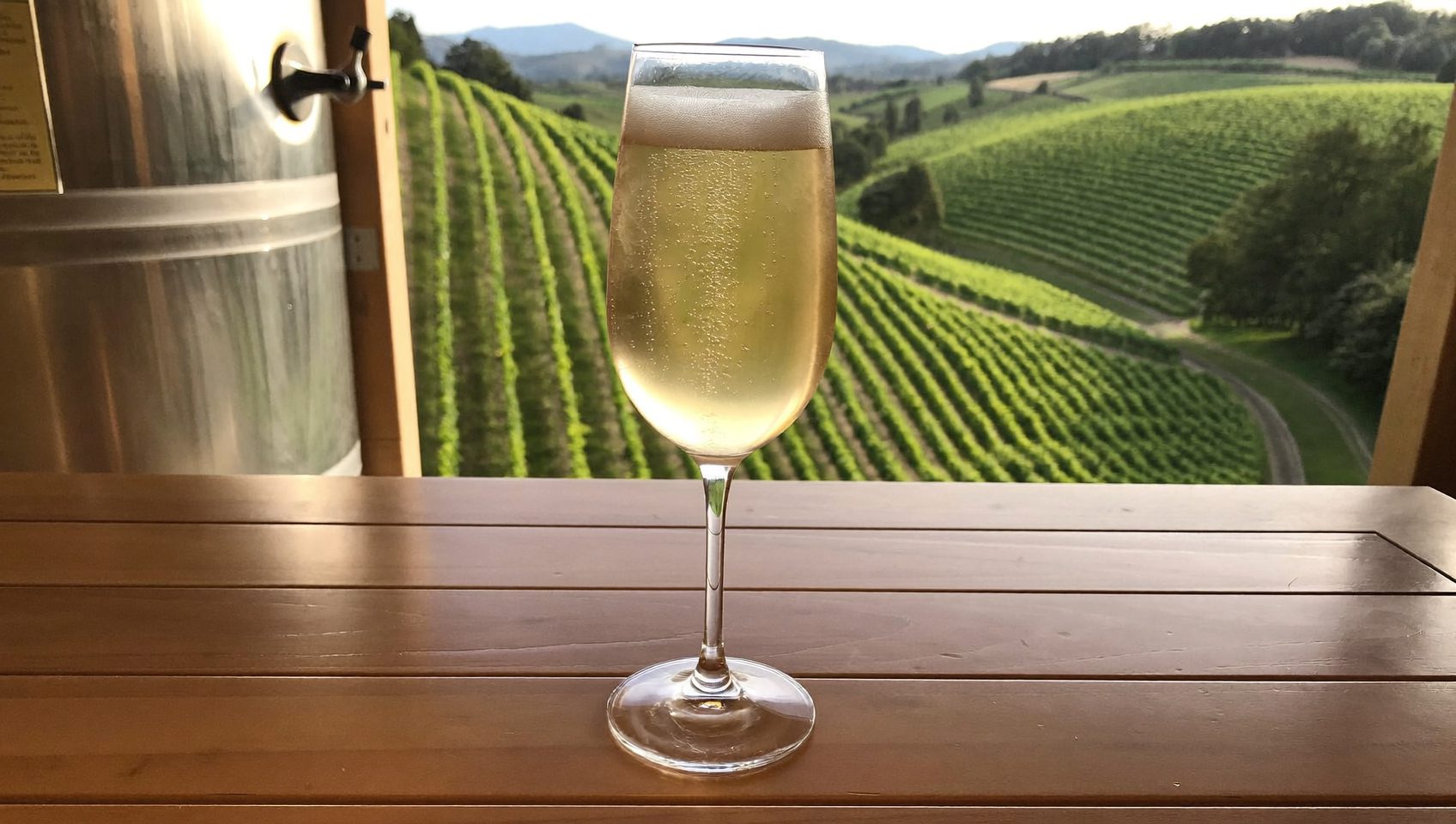
- Central and Eastern Europe and overseas markets: Poland, the Czech Republic and the Baltic countries show lively demand for sparkling wines from Treviso, with dynamic importers seeking brands owned by farm wineries to stand out from industrial labels. Outside Europe, the promotional initiatives of the consortia look with attention to markets such as Brazil, South Korea and Japan, where the pairing of the floral notes of Glera (served between 6 and 8 degrees in a wide tulip glass) with local cuisines is opening new spaces in fine dining.
How mid-sized wineries work with importers
For a Treviso winery producing between 500,000 and 2 million bottles a year, the operational management of export presents needs that differ from those of an estate producing long-ageing red wines. Prosecco is a wine to be drunk young, which shows its aromatic profile at its peak if consumed within the year following the vintage. This technical characteristic is reflected directly in the contract and in the way you work with the importer.
First, the freshness of the sparkling lot matters. A professional importer does not want to buy at the start of the year an enormous stock of bottles that will sit in its warehouse for ten months. Structured Treviso wineries plan their autoclave tirages at a steady pace throughout the year, keeping the base wine (or refrigerated must) at controlled temperature and bottling on order or on a quarterly forecast. When negotiating with a new distributor, highlighting your ability to guarantee bottling lots that are always fresh and consistent in residual sugar and aromatic profile is a decisive commercial argument.
Second, you must manage continuity of supply and stock management. In the sparkling segment, a stock-out (especially during seasonal peaks before summer and before the Christmas holidays) carries the immediate risk that restaurants served by your importer will replace your label by the glass with that of a competitor. The mid-sized winery must therefore agree with its foreign buyers on a forecast schedule of collections (rolling forecast), preparing in advance the packaging materials, labels compliant with the regulations of the destination country (including nutritional and environmental labelling obligations) and the State strips.
To select the right partners and avoid scattering samples without return, you can consult the operational criteria in the guide dedicated to sparkling wine importers abroad between Prosecco and Metodo Classico. The goal for a farm estate or a medium-sized winemaking winery is not to cover an entire country with a single large distribution monopolist, but to build a network of regional or HoReCa-specialised importers for whom your brand represents the main reference of the Prosecco category in their portfolio.
Prices, positioning and retail pressure
The worldwide success of Prosecco has generated a phenomenon that every Treviso export manager faces daily: the commoditisation of the base price on the shelves of foreign mass retail and the use of decoy labels (often private labels bottled on behalf of chains) sold with minimal margins.
A mid-sized winery that owns vineyards in the province of Treviso or that vinifies the grapes of its long-standing growers directly does not have the economies of scale of industrial giants to compete on the entry price of mass retail, and if it tries to do so it ends up eroding its company margin. To defend the ex-cellar (EXW) price list, it is necessary to build a portfolio strategy on several levels. To explore the structure of costs, excise duties and mark-ups along the international supply chain, we refer you to the analysis on the price of Prosecco abroad and where the margin lies.
In practical terms, there are three levers for stepping out of the price war:
- Segmentation by dosage and ageing: do not limit the offer to the classic Extra Dry. Adding a well-balanced Brut, an Extra Brut (much in demand in European and North American gastronomy) or a Sui Lieviti version (bottle-fermented without disgorgement, typical of the hill tradition) allows you to position the wine as a food product and not as a simple aperitif.
- Strategic use of Prosecco DOC Rosé: introduced into the DOC production rules and obtained from the blend of Glera and Pinot Nero vinified as red (with a longer autoclave processing period), the Rosé Millesimato allows you to complete the visual line on shelves and in restaurant menus, offering the importer a complementary reference that does not cannibalise the white.
- Sustainability certifications: in Northern European markets, in Canada and at many international hotel chains, the presence of recognised environmental certifications (such as the sustainability protocol promoted by the consortia, SQNPI or organic certification) is now a prerequisite for taking part in purchasing tenders or for entering the wine lists of structured restaurant groups.
Trade fairs, consortia and tools for market presence
Exporting from the province of Treviso means being able to count on a very active institutional and trade fair ecosystem, which a mid-sized winery must know how to integrate with its direct commercial action.
The three protection consortia of the territory (Consorzio di Tutela del Prosecco DOC, Consorzio di Tutela del Conegliano Valdobbiadene Prosecco Superiore DOCG and Consorzio Vini Asolo Montello) organise masterclasses, tastings for the trade press and collective stands throughout the year at the main world trade fairs: from Vinitaly in Verona to ProWein in Düsseldorf, from Wine Paris in Paris to events dedicated in North America and Asia. Taking part in consortium activities or making use of institutional communication (which links the denominations to major international cultural and sporting events) helps raise the perception of the territory, but it does not replace the B2B research and qualification work that the individual winery must carry out before and after the fairs.
Locally too, tools such as the statistical reports on wine export compiled by the Chamber of Commerce of Treviso-Belluno and the market analyses of Unione Italiana Vini allow the commercial management to monitor the trend of customs flows and to identify which foreign provinces are increasing purchases of Veneto PDO sparkling wines.
The decisive step, however, takes place in the winery and in one-to-one meetings with buyers. When an importer visits the province of Treviso, it often concentrates appointments with five or six different producers into two or three days. Arriving at that meeting with complete technical sheets in English, clear price lists by volume bands, fast loading logistics and samples that exactly reflect the lot that will be shipped is what turns an exploratory tasting into a recurring order.
Frequently asked questions
What is the difference on the label between Prosecco DOC and Prosecco DOC Treviso for a foreign buyer?
Prosecco DOC can be produced and bottled in any of the nine authorised provinces between Veneto and Friuli Venezia Giulia. The geographic designation Prosecco DOC Treviso, on the other hand, is reserved exclusively for lots whose grape harvesting, vinification and bottling take place entirely within the province of Treviso, offering the foreign buyer a certified guarantee of origin in the historic province.
Which grape varieties are permitted for Prosecco intended for export?
The mandatory base grape is Glera, which must make up at least 85% of the blend. For the remaining maximum 15% combined, the production rules allow the use of local historical varieties (Verdiso, Bianchetta Trevigiana, Perera, Glera lunga) or international varieties (Chardonnay, Pinot Bianco, Pinot Grigio and Pinot Nero vinified as white), in addition to Pinot Nero vinified as red for the DOC Rosé type.
How are the shelf life and stock rotation of Prosecco managed in foreign importers' warehouses?
Prosecco is a sparkling wine produced with the Martinotti method that shows its fresh, floral and fruity notes at their peak when consumed young, preferably within the year following the vintage. For this reason, Treviso wineries do not ship a single large annual stock, but schedule autoclave tirages throughout the year to guarantee importers split supplies with bottling lots that are always fresh.
Is it worthwhile for a mid-sized Treviso winery to export both Prosecco DOC and DOCG?
Yes, provided the two lines are directed to clearly distinct channels or price segments within the importer's portfolio. Prosecco DOC Treviso serves to guarantee steady volumes and rotation in by-the-glass service and in the everyday HoReCa channel, while Conegliano Valdobbiadene DOCG or Asolo DOCG allow you to cover gastronomic restaurants and independent wine shops with higher margins per bottle.
Sources
- US wine wholesalers: how they work and how to get in
- Secondary wine market: Liv-ex, auctions and Italian wines
- Wine buyer: who they are and the types that exist
- Prosecco in Sweden and Nordic Monopolies: Quotas and Tenders
- Wine competitions for export: which medals matter to buyers
- OIV 2025 wine sector report: what it means for Italy