Prosecco and Italian Sparkling Wine in Nordic Monopolies: Quotas, Prices and Tenders
Wines Export Editorial · Last updated:
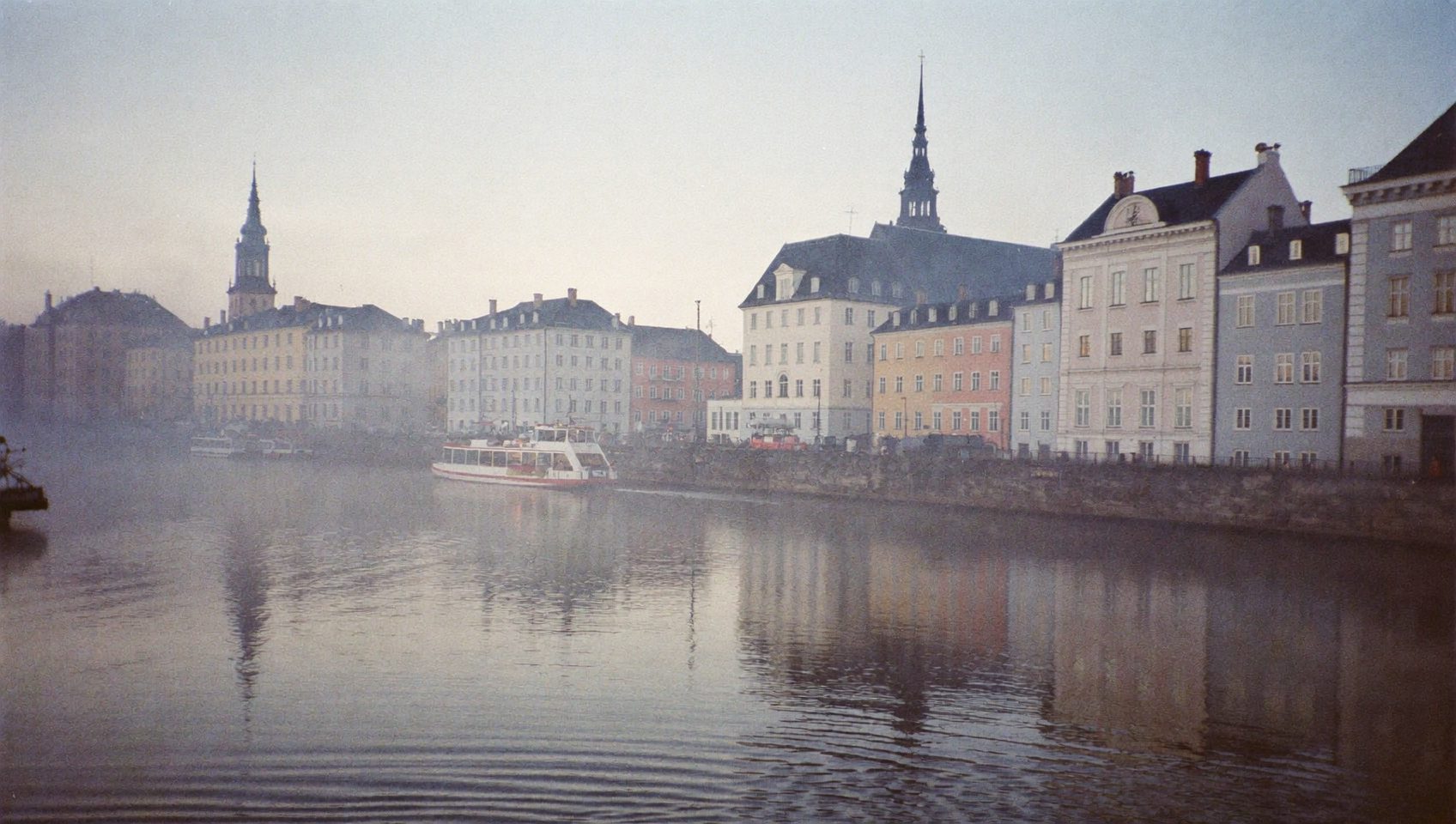
To understand how much Prosecco the Nordic monopolies sell, you should start from the annual archives that each monopoly publishes, not from producers' estimates. Vinmonopolet, in Norway, makes sales data available year by year, from 2026 back to 2015 and earlier years. Italian sparkling wine must be read within its own category, then compared with Cava and Champagne on the shelf, and finally you should check whether the tender specification asks for a specific style. The method for calculating the price is described in shelf price in the Nordic monopolies: how it is calculated, while the tender procedure is covered in Nordic monopolies and tenders: Systembolaget, Vinmonopolet and Alko.
How much Italian sparkling wine the monopolies sell: where to find the data
The first step is to read the monopoly's statistics page. The Vinmonopolet page dedicated to sales data lists an annual archive with one entry for each year, from 2026 back to 2015 and earlier years. The useful figure for you is the sparkling wine category, broken down by country of origin, because Prosecco competes with other Italian sparkling wines, with Spanish Cava and French Champagne within the same product family.
When you open an archive of this kind, check four elements before drawing any conclusions. The first is the year, because a decline between two vintages may depend on a different classification. The second is the exact category, which may or may not include frizzante wines. The third is the designation, because Prosecco DOC and Prosecco DOCG should not be added together without a methodological note. The fourth is the currency: the monopoly's figure is in local currency and must be converted at a declared exchange rate.
| Element to check | Why it matters | Where to find it |
|---|---|---|
| Year of sale | Comparing years requires a consistent classification | Monopoly's annual archive |
| Category | Sparkling and frizzante wines may sit in different entries | Category table on the statistics page |
| Designation | Prosecco DOC and DOCG should not be combined without distinction | Methodological note or consortium source |
| Country of origin | Italian sparkling wine must be separated from Cava and Champagne | Country table |
| Currency | Comparing with the euro requires a declared exchange rate | Monopoly data and official exchange rate |
This article does not give quota amounts, because the detailed figures are in the individual annual files published by each monopoly. If you need them, download the table for the most recent year and calculate the share of the sparkling wine category over the total. For Systembolaget in Sweden and Alko in Finland, the same checks on category and designation apply, with the difference that each monopoly organises its archives in its own way.
Shelf prices: Prosecco against Cava and Champagne
The price the consumer sees on the shelf is not the price your importer pays the monopoly. The difference reflects excise duty, VAT and the margin of the monopoly and, in some cases, that of distribution. To compare Prosecco with Cava and Champagne, you need three prices for the same bottle: the monopoly's list price, the shelf price and the ex-warehouse price you have proposed. Only then does the comparison say something about positioning, and the logic of margins is explained in Prosecco price abroad: where the margin sits.
The comparison should be made on equal terms. Compare products in the same 75 cl format, with the same alcohol content and the same style, that is extra dry against extra dry and brut against brut. A 75 cl Prosecco placed next to a 75 cl Champagne tells you more than a national average, which mixes different price bands.
The most useful check is the ratio between shelf price and ex-warehouse price. If the monopoly's markup is high, your bottle stays competitive only with a low starting price, and this reduces the importer's margin. Whoever prepares the offer must have these figures ready before responding to the tender.
What tenders ask for: style, dosage, format
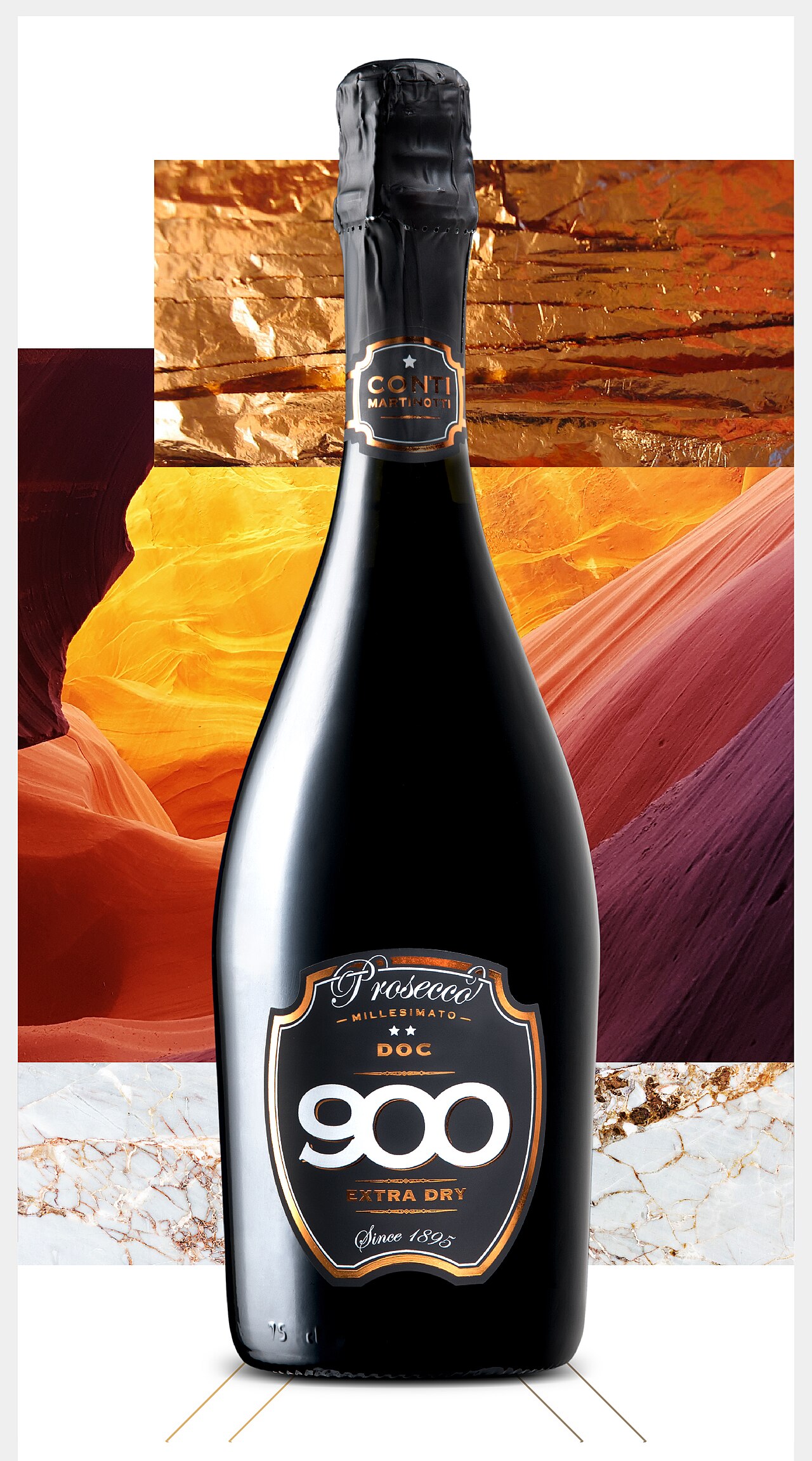
A tender is a purchase competition: the monopoly publishes a call for a category or a lot, and producers submit samples and offers. For sparkling wines, the call often specifies the style, the sugar dosage, the bottle format and the designation. Before preparing a sample, read the whole call and note three points: the required style, the format, and whether a rosé category is included.
Prosecco is available both in extra dry style and in brut, which is drier, and the two styles may appear in separate lots. Rosé is not an automatic alternative: it should be submitted only if the call explicitly provides for it. If the call is unclear on these points, the question should be put to the monopoly before the deadline, not after the award. The complete application sequence is explained in Nordic monopolies and tenders: Systembolaget, Vinmonopolet and Alko.
The sample must be delivered under the conditions set out in the call, with the bottle sealed and the label in the required language. A sample that is correct in style but wrong in format risks exclusion before evaluation, so checking the format is the first control to carry out.
DOC, DOCG, Asolo: what the Nordic consumer understands
The label matters, because consumers and buyers read the designation on the back of the bottle. The Prosecco DOC Consortium explains that the guarantee comes from compliance with the production rules and from the State Contrassegno, that is the neck strip, and that the designation covers the provinces of Treviso, Venice, Vicenza, Padua, Belluno, Gorizia, Pordenone, Trieste and Udine. The minimum alcohol content of each type is another figure to check in the production rules, and we cover it in Prosecco alcohol content: DOC and DOCG minimums.
Within the DOC, Glera is the base grape variety. The Consortium specifies that other grapes may also be used, up to a total maximum of 15 per cent, including Verdiso, Bianchetta Trevigiana, Perera, Chardonnay, Pinot Bianco, Pinot Grigio and white-vinified Pinot Noir. For the tender, the sample must declare the varietal composition precisely, because a call may request one explicitly.
The DOCG Conegliano Valdobbiadene Prosecco Superiore and Asolo Prosecco are not interchangeable with the DOC. The call may ask for one of these designations, and in that case the sample must comply with the specific production rules. Check the designation in the monopoly's official document, not in the commercial name on the bottle.
The production method helps explain the wine's profile. The Consortium notes that the Martinotti method, with second fermentation in large pressure-tight tanks called autoclaves, produces sparkling wines with floral and fruity notes. This information should be included in the technical sheet of the sample, because the buyer uses it to understand the style.
The on-trade channel and aperitifs
In the on-trade, Prosecco often enters the menu as an aperitif wine, and front-of-house staff must serve it correctly. The Consortium indicates that Prosecco should be served cold, at around 6-8 degrees, in a fairly large tulip glass. These are simple guidelines, but they should be included in the wine's sheet, because the restaurateur checks them first.
The format matters more for the on-trade than for retail. A 75 cl bottle serves the table well, while a smaller format may be easier to offer by the glass. The choice should be made together with the importer, who knows local distributors and their needs.
The Consortium also stresses that Prosecco is a wine to drink young, with consumption preferably within the year following the harvest. This guideline matters for the restaurateur's stock, which must rotate the cellar without keeping old bottles on the list. For strategies of entry into the sparkling wine channel, it is also useful to read importers for foreign sparkling wine: Prosecco and traditional method.
Seasonality: Christmas and New Year in tenders
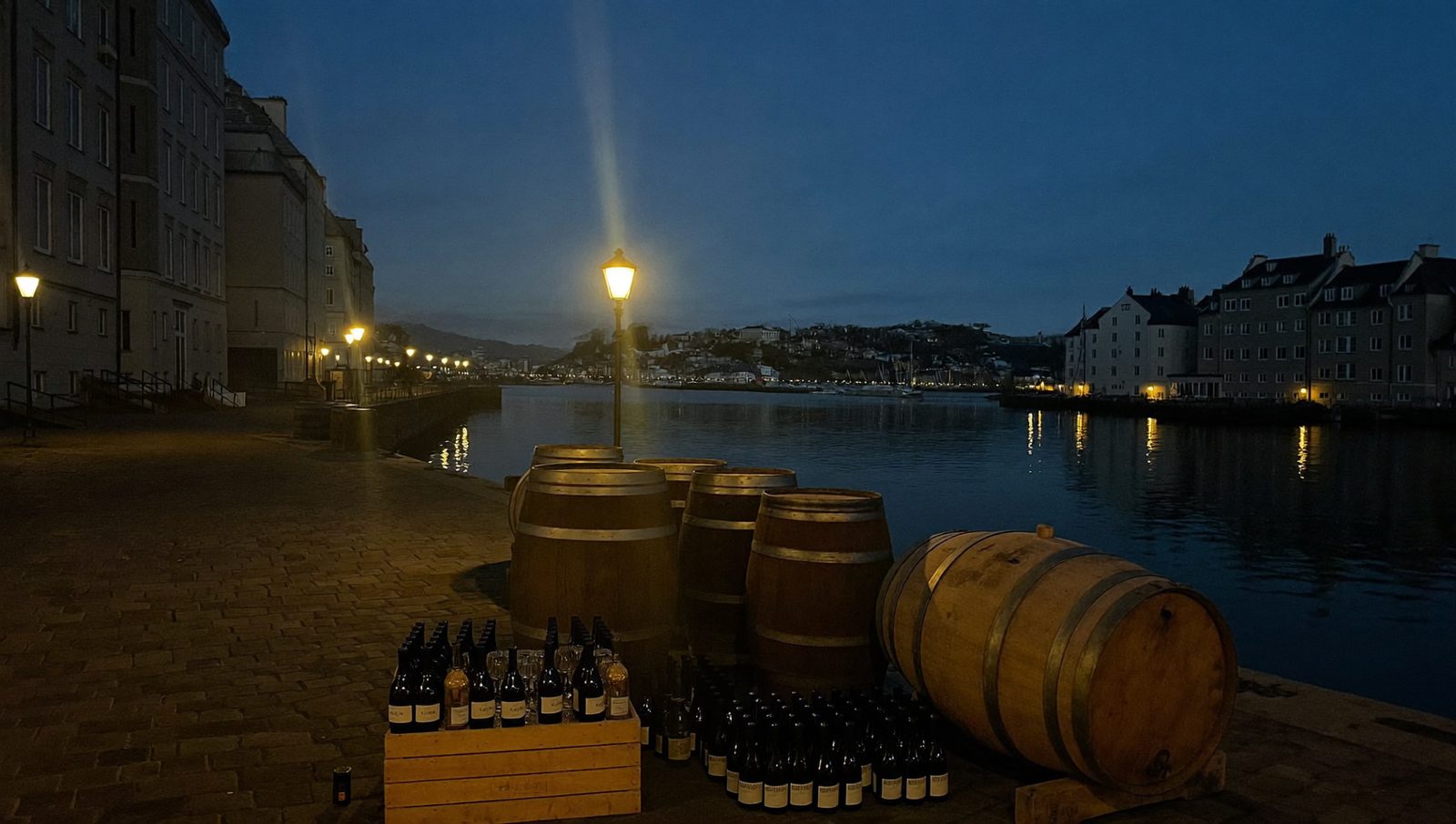
The year-end holidays are the period when the buyer most needs sparkling wines ready, so planning must be done months in advance. Tenders for holiday lines are published many months ahead, and a delay in delivery can cause you to miss the holiday window. For this reason, samples and documentation must be ready before the call opens.
Each monopoly's calendar changes from one year to the next, so dates must be checked against the official communications of the individual monopoly and not inferred from the previous year. In the supply plan, it is advisable to indicate a backup delivery date and a minimum quantity per lot, so that the importer can decide in time whether to accept or decline.
Frequently asked questions
Is Prosecco sold in the Nordic monopolies as a generic sparkling wine?
It depends on the monopoly and the classification used. The useful figure is the sparkling wine category entry, broken down by country of origin, which you read in the individual monopoly's annual archive. DOC and DOCG designations must be distinguished before making comparisons.
What style of Prosecco do tenders ask for?
The call specifies the required style, for example extra dry or brut. The style must be respected in the sample and in the technical sheet. If the call does not say, the question should be put to the monopoly before the deadline.
Is Prosecco DOC the same as Prosecco DOCG?
No. The two designations have different areas and production rules, and the call may request one of them explicitly. Check the designation in the official document, not in the commercial name on the bottle.
At what temperature should Prosecco be served in restaurants?
The Consortium indicates a serving temperature of around 6-8 degrees, in a fairly large tulip glass. Include these guidelines in the wine's sheet and in the service instructions for staff.
Sources
- Secondary wine market: Liv-ex, auctions and Italian wines
- OIV 2025 wine sector report: what it means for Italy
- Treviso Prosecco DOC wine export: how wineries work
- Most searched Italian wines on Google worldwide in 2026
- US wine wholesalers: how they work and how to get in
- Wine Export Guide for Italian Wineries: Partners & Documents