Wine importers in the UAE: licensed distributors, Dubai and Abu Dhabi hotels, and who buys Italian wine
Wines Export Editorial · Last updated:
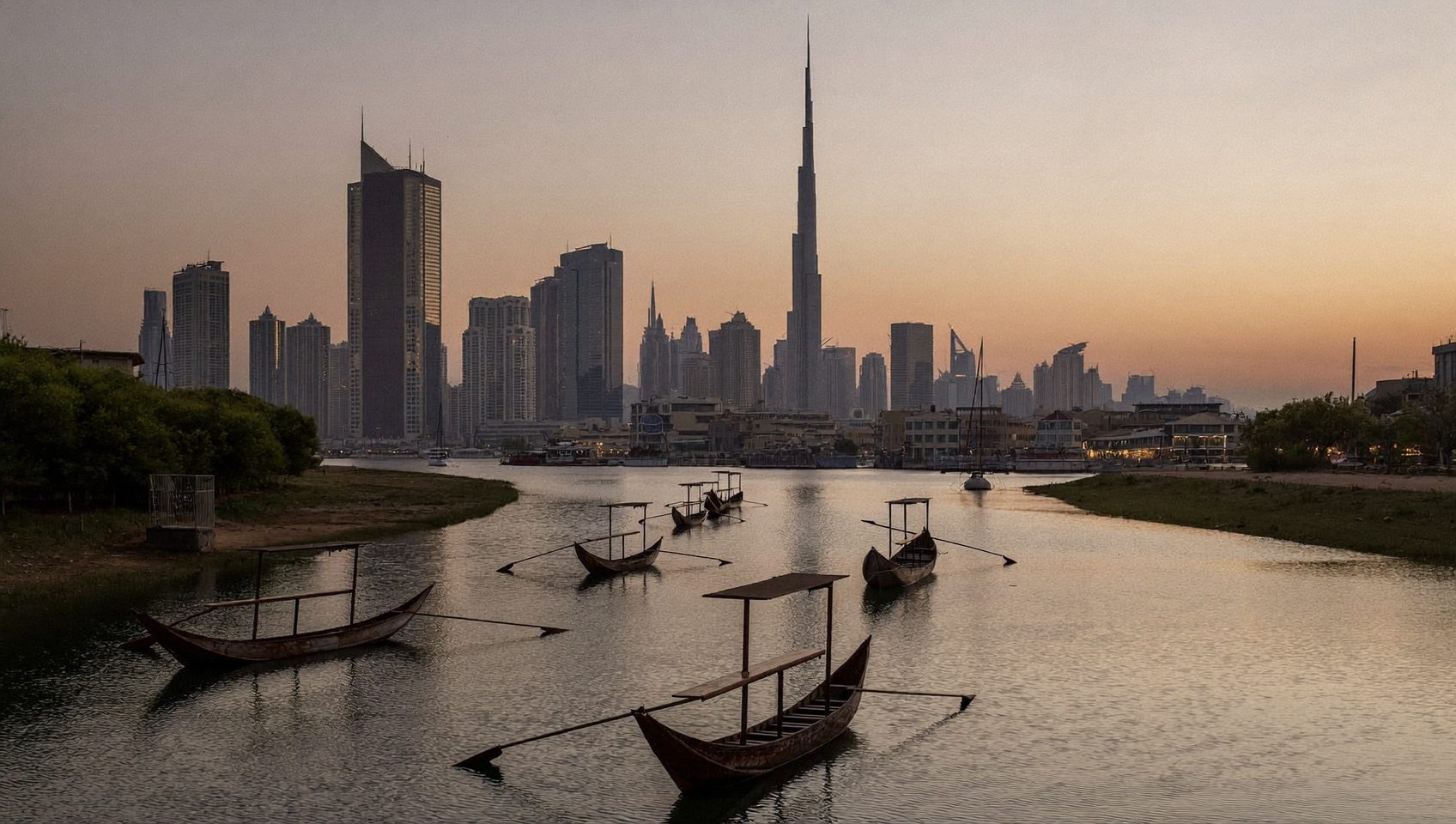
You cannot ship wine directly to restaurants or hotel chains in the United Arab Emirates: local law requires you to go through the small number of importers holding a government license for alcohol. In Dubai and Abu Dhabi, the market revolves around high-end hospitality, international resorts and beach clubs, where sommeliers build the wine lists but delegate customs clearance and logistics to authorized distributors. Understanding this two-track structure is the first step toward placing your labels in one of the wealthiest trade hubs in the Middle East.
How alcohol imports work in the UAE
The United Arab Emirates is a federation in which each emirate retains its own jurisdiction over the trade, consumption and distribution of alcoholic beverages. This means there is no open market where any logistics operator or food wholesaler can decide to open a wine division overnight. The entry of goods into the country (as well as their storage and transport to the final customer) is reserved exclusively for companies holding a specific alcohol import license issued by the police authorities and economic departments of the individual emirate.
If you manage exports for an Italian winery, this regulatory barrier changes your commercial approach compared with Europe or North America. While in other countries you can look for small regional importers specialized in artisanal niches, in the UAE the bottleneck is very tight. A hotel or restaurant with a license to serve alcohol cannot under any circumstances clear a pallet of wine from Italy on its own, not even for exclusive internal use. It must buy the products from authorized distributors operating in its own emirate.
There is a clear operational distinction between the domestic customs territory (the so-called mainland) and free zones (free zones), such as the port of Jebel Ali or the airport hubs. In the free zones, trading companies operate that buy Italian wine to re-export it to other markets in the Gulf, East Africa or Asia, or to supply airlines, cruise ships and duty-free shops. However, as soon as a bottle has to leave the free zone to enter a restaurant dining room in Downtown Dubai or on Yas Island in Abu Dhabi, it must pass through the hands and bonded warehouses of a locally licensed distributor. For those seeking to position themselves in emerging markets across Latin America, Africa and the Middle East, understanding the line between simple customs transit and domestic distribution prevents you from signing contracts with intermediaries who have no right to serve local restaurants.
Dubai and Abu Dhabi: licensed distributors
The vast majority of wine consumption in the UAE is concentrated in Dubai and Abu Dhabi, followed at a distance by the northern emirates such as Ras Al Khaimah and Fujairah, which are developing their beach tourism sectors. By contrast, the emirate of Sharjah has a total ban on the sale, transport and possession of alcoholic beverages.
In Dubai and Abu Dhabi, the import market has historically been in the hands of a very small number of large, well-structured operators. These companies are not simple couriers: they run huge temperature-controlled warehouses, fleets of refrigerated vans essential for coping with the desert climate, networks of authorized retail stores (where non-Muslim residents and tourists can buy after registering) and divisions dedicated exclusively to the on-trade channel.
| Channel or Jurisdiction | Who can buy your wine | Destination of the bottles | What the Italian winery needs |
|---|---|---|---|
| Mainland Distributors (Dubai / Abu Dhabi) | Companies with a government license to import alcohol | Hotels, restaurants, clubs, authorized retail within the emirate | Distribution agreement or listing requested by a hotel group |
| Free Zone and Duty-Free Operators | Free zone trading companies, airlines, shipping operators | Re-export, airport duty-free, onboard supplies | Direct B2B contract, competitive foreign-currency price lists, steady volumes |
| Northern Emirates (e.g. Ras Al Khaimah) | Importers and holders of local licenses | Local tourist resorts and authorized outlets | Direct contact with resort buyers or emirate concessionaires |
| Sharjah | None (total ban) | Closed market | No operations possible for alcoholic beverages |
Because licensed distributors in Dubai and Abu Dhabi can be counted on one hand and receive hundreds of proposals every week from wineries around the world, their portfolios are already saturated with the most famous Italian appellations. Cold-approaching the purchasing office of one of these giants with a generic list of Prosecco, Pinot Grigio, Chianti or Barolo almost always leads to a refusal or silence. Buyers at these companies add a new Italian producer for only two reasons: to replace a supplier that has caused problems with volumes and price lists, or to respond to an explicit request from an important hospitality client who wants that specific winery on its list.

Hotels and restaurants: the channel that buys
In the United Arab Emirates, the sale of wine by the table is closely tied to hotel properties. For decades, licenses to serve alcohol were granted almost exclusively to restaurants, bars and lounges located physically inside four- or five-star hotels, as well as to sports clubs (such as golf clubs and yacht clubs). In recent years, the authorities have started issuing licenses also to high-end independent restaurants located in specific districts with a strong tourist or financial vocation (such as the Dubai International Financial Centre or the Downtown area), but the link with the luxury hospitality world remains the backbone of the market.
For you as a wine producer in Italy, this setup has an immediate practical consequence: the real purchasing decision-maker is not always the importer, but the Head Sommelier, the Wine Director or the Food & Beverage Manager of the individual restaurant or hotel chain. Dubai hosts dozens of high-end Italian restaurant brands, branches of European starred restaurants and international formats where many sommeliers and dining room managers are Italian or trained in Europe.
These professionals know Italy's appellations well, look for labels that stand out from standardized offerings, and have the bargaining power to ask their local distributor to import a particular winery. The mechanism works in the reverse of traditional markets:
- Present your wines and have the sommelier or purchasing manager of the restaurant group in Dubai taste the samples directly.
- The restaurant decides to list three or four of your references, guaranteeing the importer a minimum annual purchase commitment (often measured in cases or pallets).
- At that point, the restaurant tells its trusted distributor to contact your winery to handle the order, payment, shipping and customs clearance.
This market dynamic closely resembles how other trade hubs based on licenses and international fine dining work, as is the case when you work with wine importers in Singapore and Southeast Asia, where hotel restaurants drive distributors' choices. Italian wines that find the most room on Dubai wine lists are sparkling wines for beach clubs and weekend brunches, fresh and mineral whites suited to high temperatures (from northern to southern Italy, with strong demand for the islands and coastal areas), and great aged reds from Tuscany and Piedmont, requested in steakhouses and fine dining restaurants for an international clientele with high spending power.
Taxes and duties: what has changed
The final price of a bottle of wine on a table in Dubai or Abu Dhabi carries a significant markup along the supply chain, due not only to distribution margins and cold-chain costs but also to local and federal taxation. As documented by the portal of the UAE Federal Tax Authority, value added tax (VAT) with a standard rate of 5% is in force in the country, alongside the selective tax system (Excise Tax) that applies to specific categories of goods, as well as the customs duties on entry applied to alcoholic beverages.
In addition to federal and customs taxes, each emirate applies its own license fees and municipal taxes on alcohol sales. The official sources listed do not publish the current rate of the municipal tax on alcohol sales in Dubai and Abu Dhabi: check it with the importer before setting the price.
For your winery, it is essential to understand how local taxes affect commercial negotiations. The level of the municipal tax weighs on retail prices and on the margins of hotels and distributors, but it does not change import duties or the fixed costs of customs clearance and storage. When you prepare an ex-works offer for an Emirati operator, bear in mind that your starting price will be multiplied several times before it reaches the wine list. Having a range of products with a balanced cellar price allows the sommelier to use your wine for serving by the glass (by the glass), which is the real driver of volumes in Dubai's restaurants and hotels.
Documents and certificates required at a glance
Shipping wine to the United Arab Emirates requires rigorous documentation: customs at Emirati ports and airports block any shipment that shows discrepancies between paper documents, digital records and the actual contents of the pallets. As indicated in the services of the Dubai Chamber of Commerce and on the European Access2Markets portal for trade with third countries, the cornerstone of every shipment is the Certificate of Origin, accompanied by commercial invoices and packing lists.
Before loading goods at the winery, your export office must coordinate with the importer's logistics office to verify every single requirement:
- Advance registration of products and labels: each reference must be registered with the competent municipal authorities before the arrival of the ship or aircraft. Labels must clearly show the mandatory information (alcohol content, volume, batch, origin, health warnings if required by the current rules of the destination emirate) in English and, where required for the retail channel, in Arabic.
- Certificate of Origin and commercial invoice: the Certificate of Origin, issued by the Italian Chamber of Commerce competent for the territory, certifies the wine's provenance and is used by customs to calculate tariffs. The commercial invoice must be drafted in English, showing the Harmonized System codes (HS Code), the exact description of the bottles, the vintage and the transaction value.
- Health certificates and analyses: customs authorities require health documentation certifying the product's fitness for human consumption and the absence of contaminants, issued by the bodies responsible in Italy.
- Shipping samples for trade fairs: if you take part in an exhibition in Dubai or bring samples for B2B events, the Dubai Chamber points to the use of the ATA Carnet for the temporary import of goods intended for fairs and exhibitions. However, for perishable products subject to restrictions such as alcoholic beverages, the entry of tasting samples follows dedicated customs procedures, handled through the official forwarders of the fair or by relying on the license of a local importer.
A practical tip on logistics: never ship wine to the Persian Gulf in standard (dry) containers without thermal insulation, especially between April and October. Temperatures on port yards can ruin wine within a few hours. Always require your buyer to use temperature-controlled refrigerated containers (reefers), or arrange air freight if you are dealing with small lots of high-value bottles.
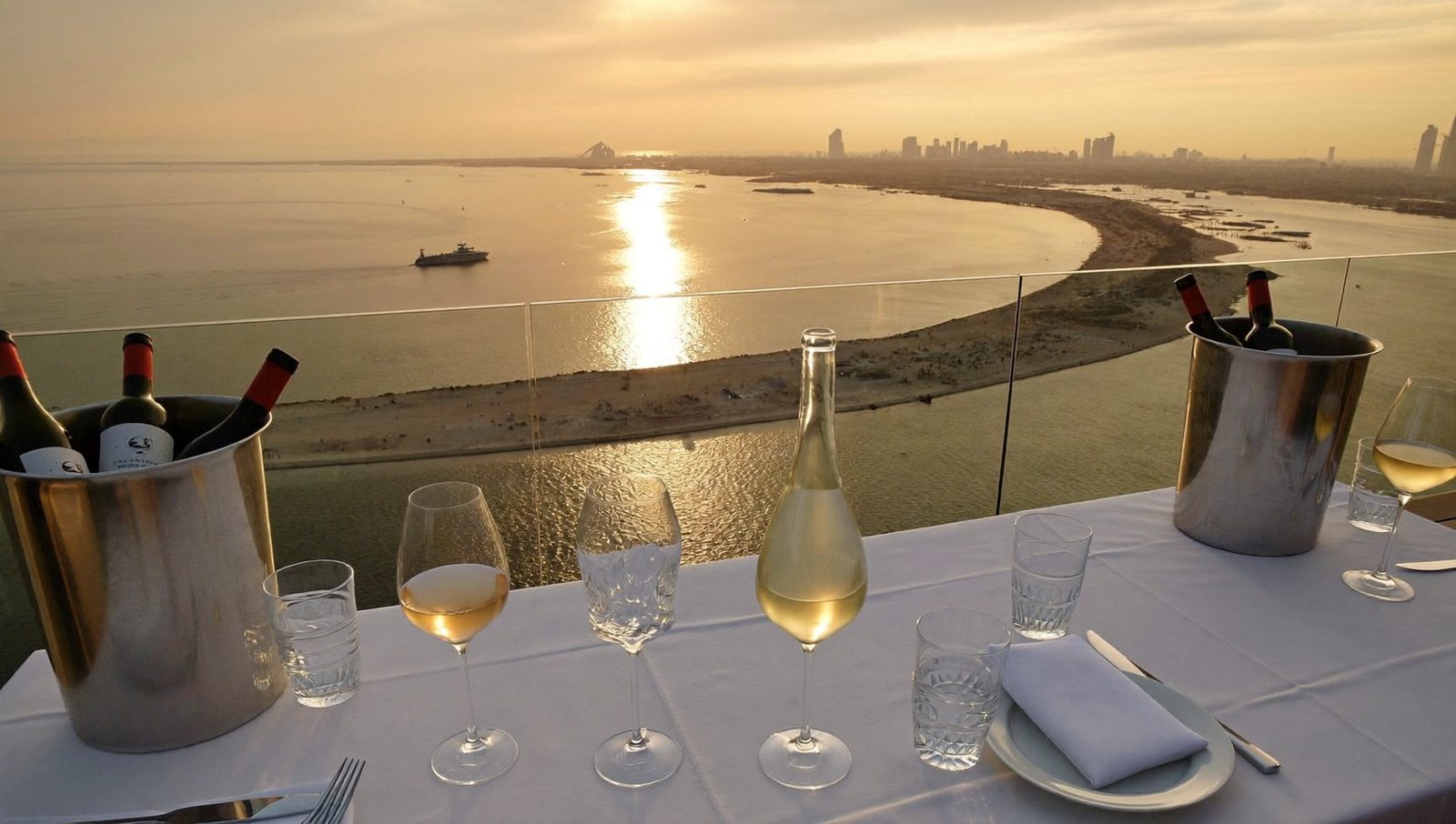
How to contact an Emirati distributor
Given the closed structure of the market, how can you actually get in touch with the buyers of wine in Dubai and Abu Dhabi? The most effective route is a combined strategy that pairs physical presence at industry events with targeted work on hospitality managers.
The first step is to check the calendar of international wine fairs: many Wine Directors and buyers for Emirati distributors regularly travel to Europe to visit events such as Vinitaly in Verona, ProWein in Düsseldorf or Wine Paris. Booking an appointment at your stand during these fairs lets you have wines tasted without facing the customs complexities of sending samples to the UAE. In addition, Dubai regularly hosts trade shows dedicated to the hospitality, restaurant and beverage industry that attract operators from across the MENA (Middle East and North Africa) region.
If instead you are planning a business trip directly to Dubai, structure your method for finding wine importers abroad starting from the bottom, that is, from the restaurant trade:
- Map authentic Italian restaurants, high-end beach clubs and five-star hotels in Dubai and Abu Dhabi, identifying the names of Head Sommeliers and Beverage Managers on LinkedIn.
- Contact them before you travel to request a brief introductory meeting on site during closing hours to the public (usually mid-afternoon, between lunch and dinner service).
- During the meeting, always ask which distributors they usually work with and which gaps they currently have in their Italian wine list (for example: they may be looking for an alternative classic method sparkling wine, a structured rosé for the poolside, or an indigenous white from central-southern Italy to serve by the glass).
- If the sommelier shows concrete interest after tasting your samples, ask to be introduced directly to the portfolio manager of the distributor with which the hotel already has an open account. Presenting yourself to the distributor with a potential hotel order already on the table turns a cold call into an immediate commercial negotiation.
From the outset, prepare clear, concise technical sheets in English, backed by international critics' scores (highly valued in English-speaking and Asian markets to justify prices on the list) and the immediate availability to train floor staff, including remotely through video sessions, to help waiters present your territory at the table.
Further reading: South Africa wine importers: who buys Italian and Prosecco.
Frequently asked questions
Can a restaurant in Dubai buy wine directly from our winery in Italy?
No. Restaurants and hotels in the United Arab Emirates hold a license to serve alcohol to their customers, but they do not have the license to import and clear goods from abroad. They can, however, choose your wines, agree volumes with you and ask one of the emirate's official distributors to handle the purchase, transport and customs clearance on their behalf.
How do we send wine samples to a buyer in Dubai?
You cannot send wine bottles through a regular express courier directly to a restaurant or a private address, because customs would block and confiscate the parcel. Samples must be sent exclusively to a company holding an active alcohol import license, agreeing in advance with their logistics office on the wording to be shown on the proforma invoice and on the package label, or carried in person within the customs limits allowed to incoming travelers.
Which Italian wines are in greatest demand in the UAE market?
The hot climate and the strong presence of international tourists favor the consumption of sparkling wines (Prosecco and classic method) and fresh, savory, aromatic white wines, as well as light-colored rosés that are much sought after in beach clubs. In fine dining restaurants and steakhouses in luxury hotels, there is instead steady demand for large, structured and prestigious reds from Tuscany, Piedmont and Veneto.
Do we need to translate labels into Arabic to sell wine in Dubai?
For wines intended exclusively for the hotel and restaurant channel (on-trade), mandatory information in English is generally sufficient, provided the product has been properly registered in the municipal system before shipment. However, requirements for health warnings and labeling can differ between the retail and restaurant channels: always have the artwork of your back label checked by the importer's compliance office before going to print or labeling the batch.
Sources
Who buys wine in the United Arab Emirates? A few names
The Wines Export database covers the whole wine trade in the United Arab Emirates: importers, distributors, wholesalers, wine shops and online stores, city by city, updated continuously (23 November 2026). The Italian denominations most carried by buyers in the United Arab Emirates, in order: Prosecco, Gavi, Pinot Grigio, Moscato and Barolo.
Dubai
Italian Food Masters Dubai U.A.E. · Emirates Snack Foods Llc · GFC General Trading LLC
Abu Dhabi
Hamna General Trading · Ibn albahr · Jarrah Foodstuff Trading - شركة جارا للمواد الغذائية
- UK Wine Importers: Agents, Merchants and Supermarkets
- Wine consumption in Hungary: data, imports, Italy's share
- US tariffs on Italian wine: how much and who pays
- Ukraine Wine Market: Trends and Openings for Italian Wines
- US wine excise tax by state: federal and state rates
- Wine consumption in Sweden: sales, organic, Italy's share