Barbaresco DOCG: Discover Piedmont's Esteemed Wine and its Market Opportunities
Wines Export Editorial · Last updated:
Barbaresco DOCG wine is an Italian enological excellence, appreciated internationally for its elegance and complexity. Produced in a limited area of the province of Cuneo, in Piedmont, this wine is rooted in centuries of history and a terroir ideally suited for its cultivation. For Italian wineries looking to expand internationally, understanding the specificities of Barbaresco, from its appellation to its market potential, is crucial for seizing export opportunities. This article explores the key aspects for those wishing to bring this red nectar to global markets. Learn more at Federdoc — National Confederation of Italian Wine Denomination Protection Consortia.
Where is Barbaresco DOCG Produced?
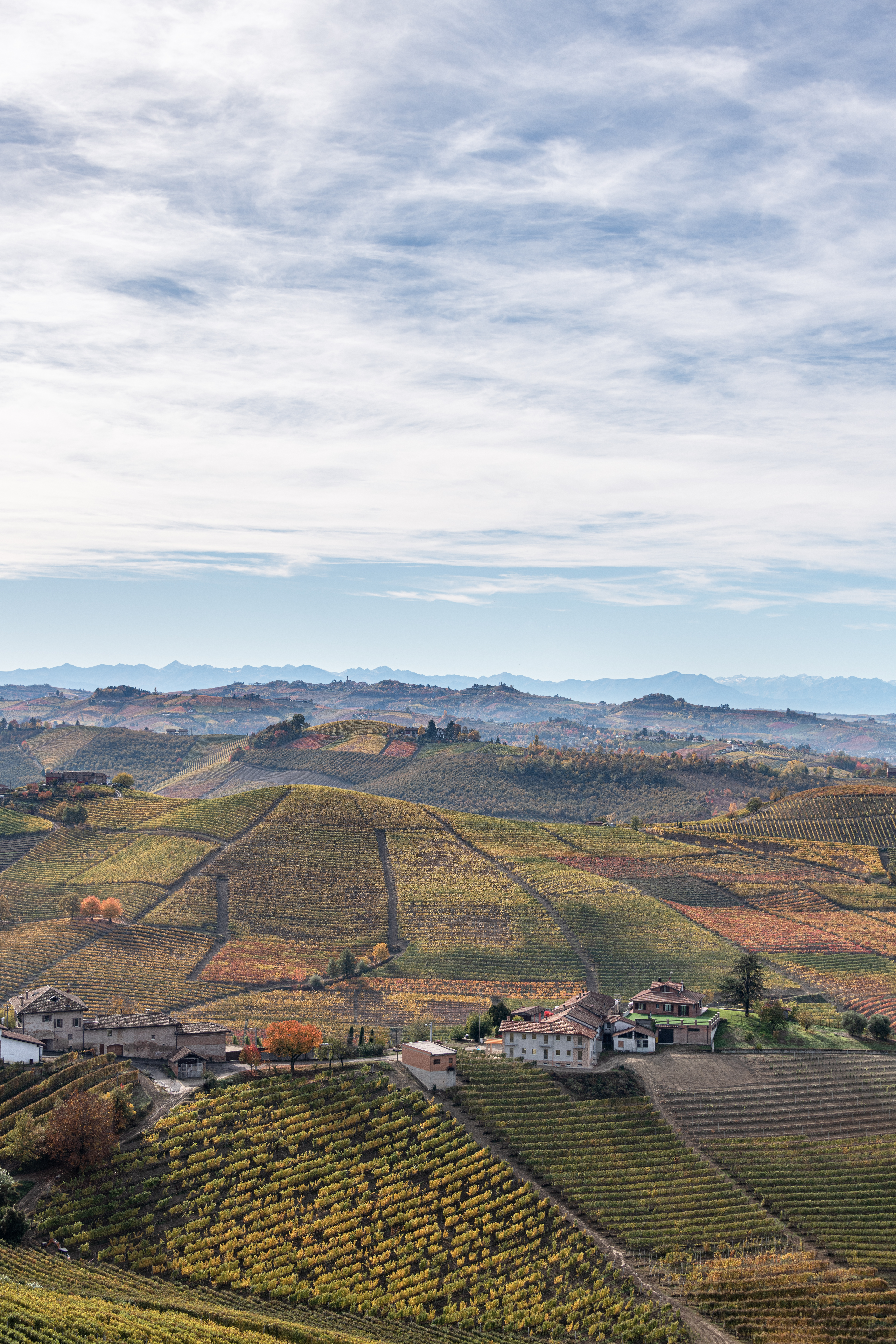
Barbaresco DOCG is produced exclusively in a precisely defined geographical area. This zone encompasses the entire territory of the municipalities of Barbaresco, Neive, and Treiso, as well as a portion of the San Rocco Seno d'Elvio hamlet within the municipality of Alba, all located in the province of Cuneo, Piedmont. This small hilly area is the cradle of a wine that, while sharing the Nebbiolo grape variety with Barolo, possesses its own distinct identity.
What is the History of the Barbaresco DOCG Appellation?
The Barbaresco appellation boasts a significant recognition journey. It obtained DOC recognition in 1966 and subsequently DOCG status in 1980, with subsequent modifications over the years. This process of protection and valorization has significantly contributed to consolidating Barbaresco's international reputation, establishing it as a wine of high quality and tradition.
What are the Characteristics of the Nebbiolo Grape in Barbaresco?
The Nebbiolo grape is the heart of Barbaresco, present in the "Michet," "Lampia," and "Rosè" varieties. This noble grape imparts the wine its intense garnet red color, with hues that evolve towards orange tones with aging. On the nose, Barbaresco offers a complex bouquet ranging from floral and fruity notes to hints of spice. On the palate, it is powerful, with an acid-alcoholic structure that balances magnificently with aging.
How Did the Tradition of Barbaresco Wine Originate?
The origins of Nebbiolo cultivation in this area are ancient. The recognized date for the birth of modern Barbaresco wine is 1894, with the founding of the Cantina Sociale di Barbaresco. Key figures such as General Paolo Francesco Staglieno and Domizio Cavazza contributed to the wine's development. Even French oenologist Louis Oudart played an important role in producing a dry and stable wine from Nebbiolo grapes, which achieved international recognition as early as 1862. After a period of difficulty, Barbaresco regained its fame thanks to producers like Bruno Giacosa and Angelo Gaja, and the establishment of the cooperative winery Produttori del Barbaresco.
What are the Production Techniques and Regulations of Barbaresco DOCG?
The production regulations for Barbaresco DOCG impose precise rules to ensure quality. The cultivation method is Guyot pruning on a trellised system, and any forcing practices are prohibited. All operations of drying, vinification, aging, and bottling must occur within the delimited zone.
The regulations mandate a mandatory aging period of 26 months for base Barbaresco, with at least 9 months in barrel. For the "Riserva" type, the aging period extends to 50 months, also with a minimum of 9 months in barrel. The maximum vineyard yield is 52 hectoliters per hectare. The minimum alcohol content is 12.5% vol., with a minimum total acidity of 5 g/L and a minimum dry extract of 23 g/L.
What are the Additional Geographical Mentions in Barbaresco?
The regulations allow for the inclusion of additional geographical mentions on the label, identifying specific cru or particularly suitable sub-zones. Among these are well-known names such as Albesani, Asili, Basarin, Bricco di Neive, Gallina, Giacosa, Martinenga, Montestefano, Ovello, Paje', Rabaja', Roccalini, and many others. The mention "vigna" (vineyard) may be used, with a maximum grape production limit of 7.2 metric tons per hectare.
What is Barbaresco's Export Potential for Italian Wineries?
Barbaresco represents an excellent opportunity for Italian wineries aiming to expand their presence in foreign markets. Its international reputation, solidified by accolades such as the inclusion of Produttori del Barbaresco's 2021 Barbaresco in Wine Spectator's Top 100 list, facilitates its entry into demanding markets. Wineries that invest in building strong relationships with reliable local importers can benefit from a market with interesting growth potential.
Frequently Asked Questions
How can I promote my Barbaresco in international markets?
To promote your Barbaresco in international markets, it is essential to highlight its history, its connection to the territory, traditional production techniques, and aging process. Participation in international wine fairs and collaboration with specialized distributors are crucial steps for global establishment.
What are the aging requirements for Barbaresco DOCG?
The regulations mandate a mandatory aging period of 26 months for base Barbaresco, with at least 9 months in barrel. For the "Riserva" type, the aging period extends to 50 months, also with a minimum of 9 months in barrel.
What are the main organoleptic characteristics of Barbaresco?
Barbaresco is distinguished by its intense garnet red color, with hues that evolve towards orange tones with aging. On the nose, it offers a complex bouquet ranging from floral and fruity notes to hints of spice. On the palate, it is powerful, with an acid-alcoholic structure balanced by its aging.
Barbaresco is not just a wine of great prestige, but also a powerful promotional tool.