Barolo DOCG: The King of Italian Wines and its Export Prospects
Wines Export Editorial · Last updated:
Barolo, acclaimed as the "king of wines, wine of kings," is an Italian enological excellence from the heart of Piedmont. Originating from the municipality of the same name in the province of Cuneo, this prestigious wine is born from the Nebbiolo grape, bestowing upon it complexity, longevity, and an unmistakable aromatic profile. If your winery aims to conquer international markets with a high-end product, understanding Barolo's specificities and its export potential is fundamental for defining successful strategies and reaching a connoisseur audience. In-depth information: Federdoc — National Confederation of Italian Wine Denomination Protection Consortia.
What is Barolo's Designation and Where is it Produced?
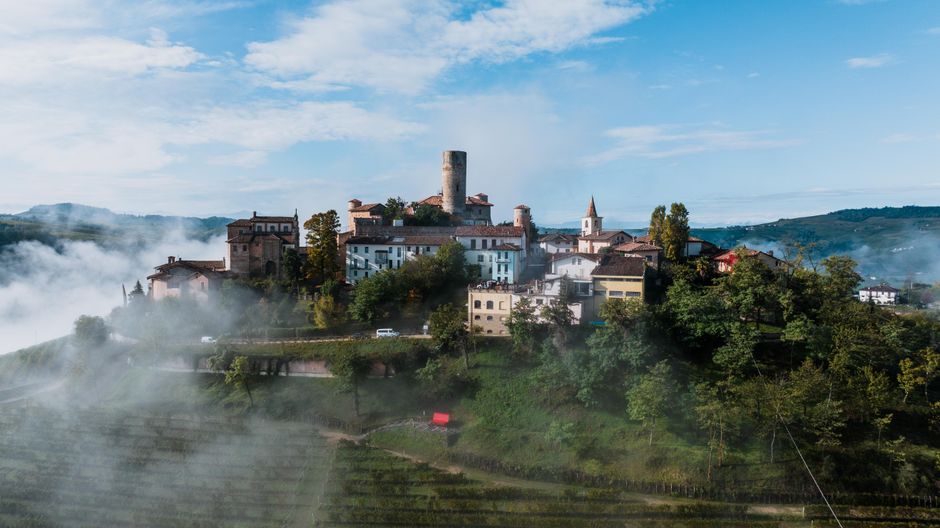
Barolo is a Denominazione di Origine Controllata e Garantita (DOCG), the highest recognition for Italian wines. Its production area is well-defined in the province of Cuneo, in Piedmont, and includes renowned municipalities such as Barolo, La Morra, Monforte d'Alba, Castiglione Falletto, and Serralunga d'Alba, each with unique characteristics.
The cultivation of vines for Barolo DOCG is rigorously regulated, favoring hilly slopes with excellent sun exposure to ensure optimal ripening of Nebbiolo grapes. This territory, rich in history and viticultural vocation, is the foundation of its excellence.
What are the Distinctive Characteristics of Barolo Wine?
Barolo is a dry red wine, celebrated for its imposing structure, robust tannins, and exceptional aging potential. On the nose, it offers intense floral notes of violet that evolve into hints of rose, licorice, tobacco, and earthy notes. On the palate, it is full-bodied, velvety, and persistent, with a remarkable balance between acidity, tannins, and alcohol.
Winemaking involves a minimum aging period of 38 months, with at least 18 months spent in wood, essential for softening the tannins and developing its complexity. Chemically, it presents a total acidity between 6-7 g/l and a dry extract between 25-30 g/l, with an alcohol content generally between 13-14% by volume.
What is Barolo's Export Potential for Italian Wineries?
Barolo is one of the most prestigious and sought-after Italian wines globally, representing a product of great interest to importers and enthusiasts. Its production, though significant, is relatively limited (approximately 1,200 winegrowers over 2,100 hectares), which preserves its value and exclusivity, making it ideal for a targeted export strategy.
Wineries producing Barolo can find market opportunities in various countries, with exports constituting an important share for many companies, sometimes reaching 60-70% towards European and international markets.
What Do Foreign Buyers Look for When Purchasing Barolo?
International buyers are attracted to Barolo for its prestige and global recognition as a synonym for Italian excellence. They appreciate its aging potential, which makes it an interesting investment, and its unique aromatic and gustatory complexity, derived from the Nebbiolo grape and different crus.
Furthermore, its strong authenticity and connection to the Piedmontese territory, particularly the municipality of Barolo, give the wine a distinct identity, highly sought after by discerning consumers.
What are the Challenges and Opportunities in Exporting Barolo?
Challenges in exporting Barolo include competition with other great international red wines and the need to educate less mature markets about its specificities. Managing logistics for a wine that requires particular care is another aspect to consider.
However, opportunities are significant, especially in growing markets for high-quality wines. Italian wineries should emphasize Barolo's history, tradition, and uniqueness, supported by concrete data on its quality and aging potential, to establish themselves successfully in foreign markets.
Frequently Asked Questions About Barolo Export
What are the main production areas of Barolo DOCG?
The main production areas of Barolo DOCG include the municipalities of Barolo, La Morra, Monforte d'Alba, Castiglione Falletto, and Serralunga d'Alba, each with pedoclimatic characteristics that influence the wine's profile.
How long must Barolo age before being commercialized?
Barolo DOCG requires a minimum aging of 38 months, with at least 18 months spent in wood, to develop its complexity and soften its tannins.
What is the vineyard area dedicated to Barolo production?
Barolo DOCG is produced on an area of approximately 2,100 hectares, managed by about 1,200 winegrowers.
Barolo, an expression of the Piedmontese territory and Italian winemaking mastery, represents a strategic opportunity for wineries aiming for excellence in international markets. Its DOCG denomination, Nebbiolo grape, and unique characteristics make it an exceptional ambassador of Made in Italy.
For wineries interested in exploring export opportunities for high-end wines like Barolo, Wines Export offers personalized consulting and support.