Bardolino DOC/DOCG: Discover the Characteristics and Market Potential of this Veronese Wine
Wines Export Editorial · Last updated:
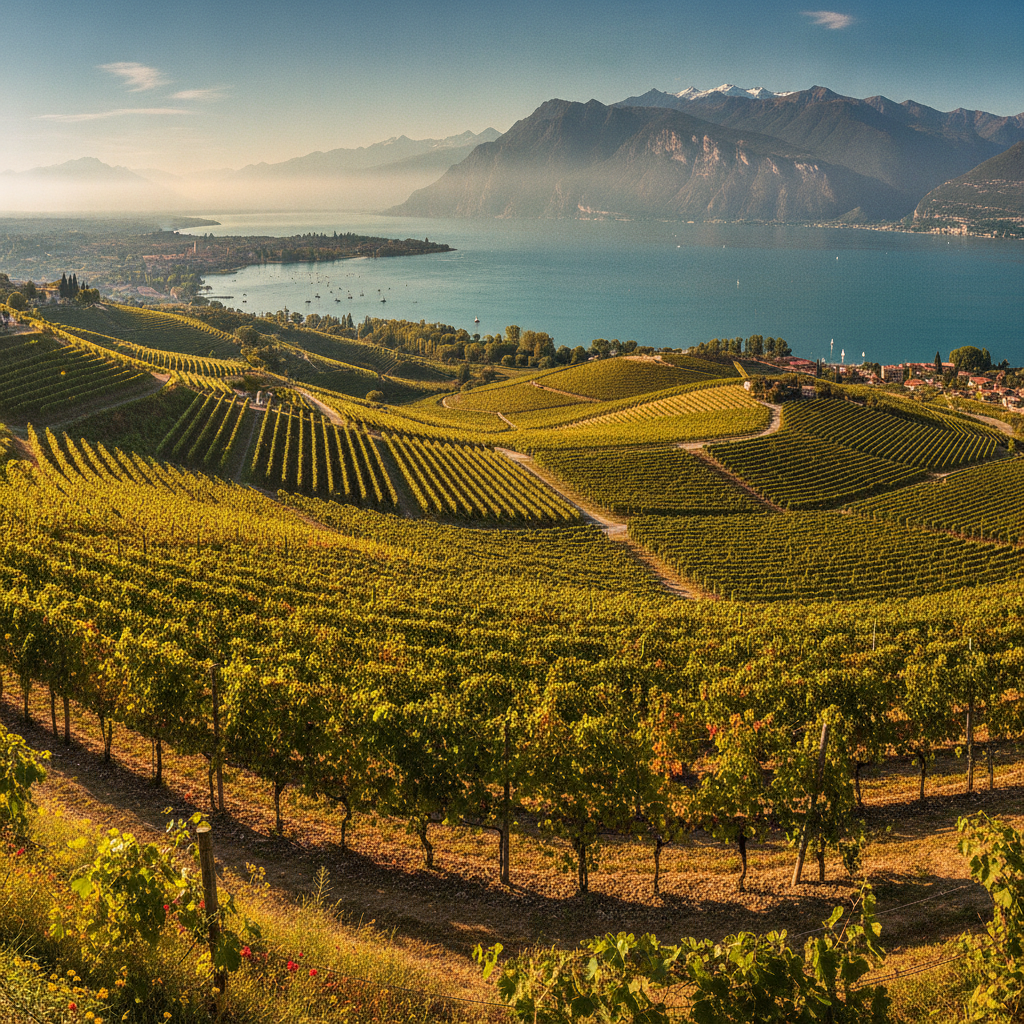
Bardolino DOC and DOCG wines, produced in the province of Verona between the morainic hills and Lake Garda, represent a concrete export opportunity for Italian wineries. This wine, with its deep-rooted history and clear territorial identity, possesses the qualities of excellence, versatility, and value for money that appeal to importers and consumers in international markets. From the base version to more refined expressions like the Superiore DOCG, Bardolino offers a distinctive organoleptic profile, ideal for capturing new global market share. In-depth information: Federdoc — National Confederation of Italian Wine Denomination Protection Consortia.
What is the Production Area for Bardolino DOC and DOCG?
The Bardolino DOC designation extends across a well-defined area in the province of Verona, between the Adige River and the southeastern shore of Lake Garda. The included municipalities are numerous, among them Bardolino, Garda, Lazise, Affi, Cavaion Veronese, and others, creating a territorial unit managed by the Consorzio Tutela Vino Bardolino D.O.C.
Bardolino Superiore DOCG, a recognition obtained in 2001, further refines production criteria, focusing on higher quality and aging potential to satisfy the most demanding markets.
What are the Different Types of Bardolino Wine?
The Bardolino DOC designation includes several expressions: Bardolino base (light ruby red, vinous aroma, dry and harmonious taste), Bardolino Classico (produced in the oldest origin areas), Bardolino Chiaretto (fresh and drinkable rosé wine, also available as sparkling), and Bardolino Novello (young, for immediate consumption).
Bardolino Superiore DOCG represents excellence, with greater structure, complexity, and aging potential, offering a deeper expression of the terroir and grape varietals.
What Grape Varietals Make Up Bardolino Wine?
The production regulations for Bardolino DOC predominantly use Corvina Veronese (35-65%) and Rondinella (10-40%). Other grape varietals such as Molinara, Rossignola, Barbera, Sangiovese, Marzemino, Merlot, and Cabernet Sauvignon may also be present in limited percentages, adding aromatic and tannic complexity.
The maximum yield of grapes into wine is set at 70%, with specific tolerances. Sparkling winemaking operations for "Chiaretto Spumante" are confined to specific provinces.
What are the Organoleptic Characteristics of Bardolino?
Bardolino is distinguished by its light ruby red color, a vinous nose with a light, delicate perfume, and a dry, sapid, slightly bitter, harmonious, and subtle taste. These characteristics make it a versatile wine.
It is ideal for accompanying soups, pasta dishes, fried foods, poultry, and snails, but also pairs well with aged and blue cheeses. The recommended serving temperature is between 16°C and 18°C.
What is the Export Potential for Bardolino Wine?
Bardolino wine possesses significant export potential due to its authenticity, territorial connection, good quality, and pleasant drinkability – elements sought after by international markets. Its various labels (Classico, Chiaretto, Novello, Superiore) and versatility in food pairings favor its global diffusion.
For wineries looking to expand their presence in foreign markets, Wines Export offers strategic support to identify buyers and build effective distribution networks, leveraging the well-defined identity and recognized quality of Bardolino.
Frequently Asked Questions
What are the main destination markets for Bardolino wine?
The original text does not specify the main destination markets for Bardolino wine.
What are the requirements to obtain DOCG certification for Bardolino Superiore?
The requirements for Bardolino Superiore DOCG include stricter criteria in terms of yield per hectare, alcohol content, and aging, compared to the DOC version.
How does Bardolino Classico differ from other DOC versions?
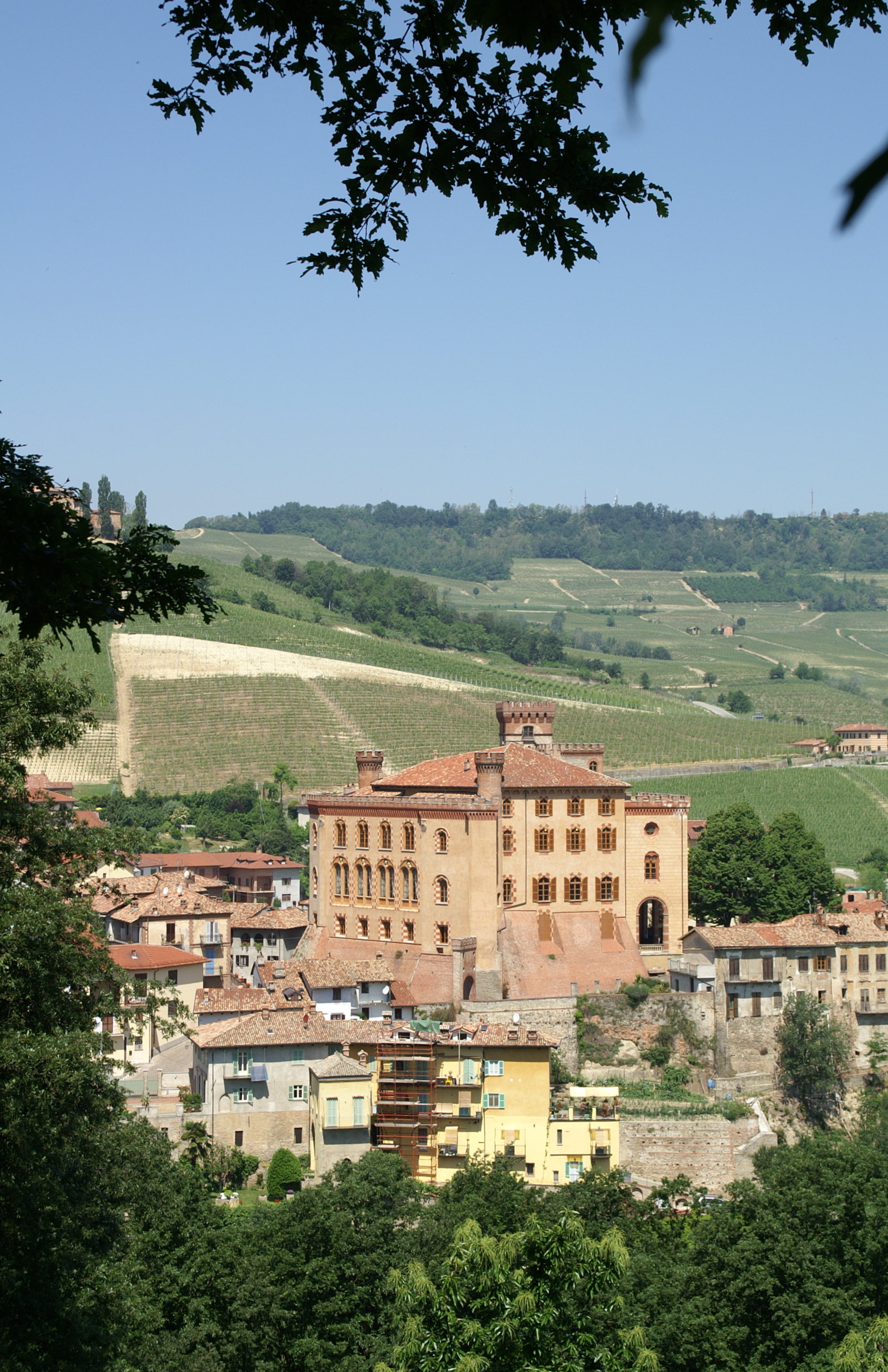
Bardolino Classico is produced in the oldest origin areas, among the municipalities of Bardolino, Lazise, Affi, Garda, Costermano, and Cavaion Veronese, presenting even more marked characteristics and a deep connection to the territory.
Several wineries from the Bardolino area are part of our producer pool, offering a direct perspective on production dynamics and export opportunities for this denomination.