Crotone Wines: Overseas Sales Opportunities for Calabrian Wineries
Wines Export Editorial · Last updated:
Wineries in the province of Crotone have a concrete opportunity for expansion into international markets. The authenticity, quality, and unique stories tied to the Calabrian territory are elements increasingly sought after by foreign consumers. This article provides an operational guide for Crotone wineries, outlining strategies, documentary requirements, and essential steps to successfully tackle exports, enhancing the peculiarities of their wines and building lasting global commercial relationships. Learn more: Federdoc — National Confederation of Italian Wine Protection Consortia.
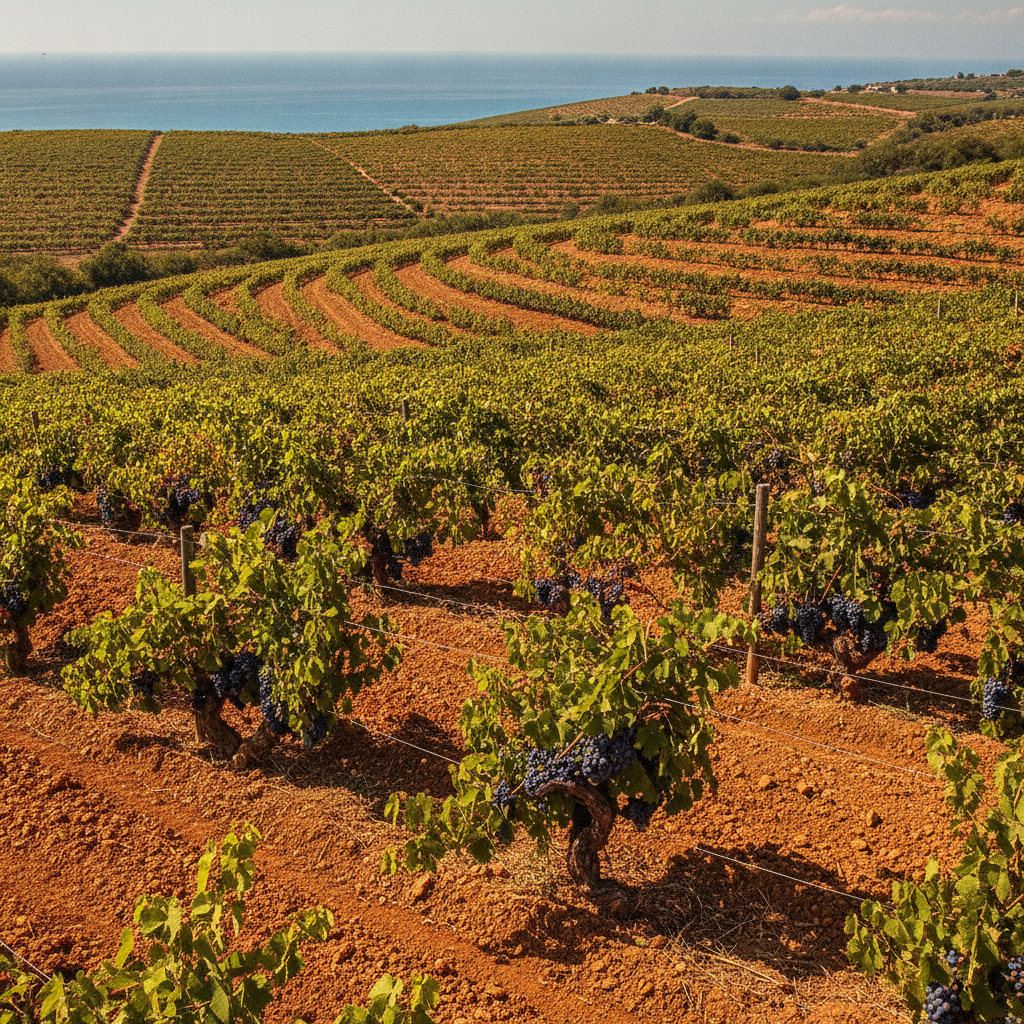
Why Can Crotone Wine Succeed Abroad?
The territory of the province of Crotone, with its native grape varieties and distinctive terroir, offers wines a unique identity. The global interest in niche oenological products that tell an authentic story linked to local traditions represents a significant growth opportunity for Crotone wineries. Markets in Northern Europe, North America, and Asia are particularly receptive to wines that diverge from traditional circuits, favoring territorial uniqueness.
Wineries from the Crotone area collaborating with Wines Export demonstrate a strong propensity for export, with an already established presence in various geographical regions. This testifies to the capability and willingness of local producers to compete effectively in the global market, leveraging their specificities.
What Are Foreign Buyers Looking for in Italian Wine?
International importers and buyers seek products that offer excellent value for money, but most importantly, possess distinctive characteristics and an authentic narrative. For wines from the province of Crotone, these elements include:
- Native Grape Varieties: Highlighting local varieties such as Gaglioppo or Greco Nero can represent a strong differentiating factor in the international market, setting the offering apart from other regions.
- Terroir and History: The narrative linked to the territory, agricultural traditions, and the winery's history is fundamental to creating an emotional connection with the end consumer, thereby increasing the perceived value of the product.
- Quality and Sustainability Certifications: Adherence to recognized quality standards and the adoption of sustainable viticultural practices are increasingly sought-after requirements in foreign markets, indicating a commitment to excellence and environmental responsibility.
- Reliability and Consistency: The ability to guarantee constant, high-quality supplies is an indispensable requirement for building lasting and trusting commercial relationships with international partners.
How to Export Wine from the Province of Crotone?
Exporting wine requires meticulous preparation, from buyer qualification to logistics and documentation management. The key phases of the operational process include vetting the commercial partner, defining the offer, and managing complex international shipping documentation.
Phase 1: Buyer Contact and Qualification
It is essential to verify the solidity and reliability of a potential foreign buyer before entering into negotiations. This includes checking their commercial registration in the destination country, any licenses for importing alcoholic beverages, and securing banking or commercial references. A preliminary credit risk analysis, potentially supported by credit insurance, can prevent problems related to buyer insolvency.
Phase 2: Commercial Offer and Negotiation
Once the buyer is qualified, the winery must prepare a detailed commercial offer, typically in the form of a proforma invoice. This document must include an accurate description of the products, minimum order quantities (MOQ), unit price and agreed currency, proposed Incoterm, and required payment terms. The proforma invoice is crucial for defining the terms
Frequently Asked Questions
What characteristics make wines from the province of Crotone attractive to foreign markets?
Wines from the province of Crotone are attractive to foreign markets due to their unique identity stemming from native grape varieties and a distinctive terroir. International consumers seek niche oenological products that tell an authentic story linked to local traditions and the territory.
What are the key elements that international buyers seek in Italian wine, particularly from Crotone?
International buyers look for Italian wines that offer excellent value for money, but above all, possess distinctive characteristics and an authentic narrative. For Crotone wine, these include native grape varieties, the story linked to the territory, quality and sustainability certifications, and the guarantee of reliability and consistency in supply.
What are the fundamental steps for a winery in Crotone wishing to export its products?
Exporting requires meticulous preparation, starting with qualifying the foreign buyer by verifying their solidity and reliability through checks on commercial registration, licenses, and references. Subsequently, it is necessary to define a detailed commercial offer, usually via a proforma invoice, including product descriptions, quantities, prices, Incoterm, and payment terms.