Selling Sicilian Wines from Enna Abroad: Opportunities and Strategies
Wines Export Editorial · Last updated:
The province of Enna, located in the heart of Sicily, offers an as-yet-unexplored potential for the export of quality wines. Its wineries represent a unique opportunity for importers seeking authenticity and distinctive products, capable of enhancing a terroir with unique characteristics. This article explores the peculiarities of the Enna territory, the operational and documentary requirements for export, and strategies for wineries looking to expand into foreign markets, providing a clear guide to navigating the complexities of international wine trade.
What are the winemaking characteristics of the province of Enna?
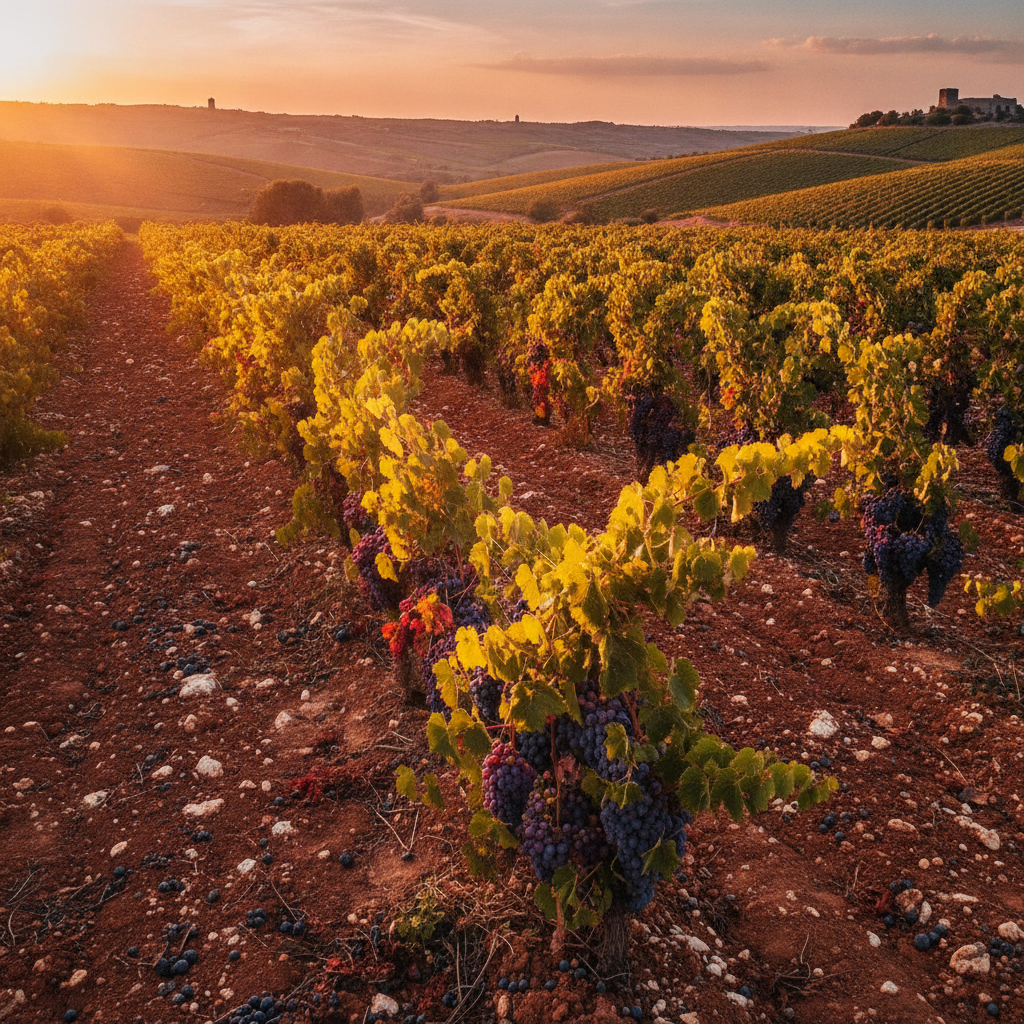
The province of Enna, though a consortium of municipalities, boasts a distinctive wine heritage. The mitigated continental climate, combined with mineral-rich soils, favors the cultivation of both indigenous and international grape varietals. Local wineries combine tradition and innovation, aiming to enhance the terroir with wines linked to varietals such as Nero d'Avola and Grillo, but also embracing experimentation.
Wineries in the area are distinguished by an approach that often blends tradition and innovation, aiming to highlight the peculiarities of the terroir. Export managers approaching this region will find production realities capable of offering wines with a strong identity, often linked to varietals like Nero d'Avola, Nerello Mascalese, Grillo, and Inzolia, but also experimenting with less common varieties. The often artisanal size of many wineries allows for a high level of attention to detail and a flexibility that can be a competitive advantage in the global market.
How is the operational process for wine export managed?
Wine export follows a defined operational flow, from initial negotiation to delivery. It is crucial to carefully vet potential buyers, checking their solvency, import licenses, references, and import history. A preliminary credit risk assessment, supported by services like SACE, can prevent insolvency issues.
Once the buyer is qualified, the winery sends a proforma invoice, which serves as the basis for negotiation. This document must include detailed information on products, Minimum Order Quantities (MOQ), unit price, currency, and the proposed Incoterm. Negotiation focuses on these elements to reach an agreement satisfactory to both parties.
What documents are essential for international wine shipments?
Every wine shipment abroad requires a specific set of documents to facilitate customs clearance and certify regulatory compliance. Among the most common documents are the Commercial Invoice, Packing List, Transport Documents (such as the Bill of Lading), Certificate of Origin, and sometimes Health Certificates or Label Conformity Certificates, depending on the target market.
The exact combination of required documents varies significantly from market to market. It is essential to consult country-specific ICE guides or rely on an experienced customs broker to obtain an updated list before each shipment to a new market. Access2Markets and Shipping Solutions offer useful resources for understanding documentation needs.
What are the specific requirements for different target markets?
Each importing country has its own regulations affecting labeling, excise duties, and customs procedures. For example, for Estonia, it is necessary to verify label compliance with local requirements, including any "health warnings." For Denmark, it is crucial to confirm the importer's active EMCS authorization. In the United States, label compliance with TTB (Alcohol and Tobacco Tax and Trade Bureau) requirements is an indispensable preliminary step.
It is essential to consult country-specific guides, such as those provided by ICE for Albania (ICE Wine Export Guide - Albania), Denmark (ICE Wine Export Guide - Denmark), and Estonia (ICE Wine Export Guide - Estonia), and specific guides for markets like the USA (ExportUSA — 2025 Guide to Exporting and Selling Wine in the American Market).
How can Enna's wineries stand out in international markets?
Wineries in the province of Enna have the opportunity to distinguish themselves by focusing on quality, authenticity, and the narrative of their territory. Offering unique products, linked to indigenous grape varietals and traditional winemaking practices, can attract importers seeking wines that deviate from mass production.
Exportation requires a strategic approach, from understanding market dynamics to meticulous preparation of documentation and the selection of reliable commercial partners. Enna wineries, with the support of tools like ICE guides and expert advice, can build a successful export path, enhancing the enological heritage of their province.
Frequently Asked Questions
What are the most representative indigenous grape varietals from Enna's wineries?
Wineries in the province of Enna highlight indigenous grape varietals such as Nero d'Avola, Nerello Mascalese, Grillo, and Inzolia, alongside international varieties.
Is an EORI number required to export wine from Italy?
Yes, an EORI (Economic Operators Registration and Identification) number is required to operate with customs authorities within the European Union.
Where can I find specific information on labeling requirements for different markets?
It is advisable to consult ICE country guides or rely on experienced customs brokers, as well as resources such as Access2Markets and trade.gov.
Wineries in the province of Enna have significant export potential, thanks to the quality of their wines and the authenticity of their territory. A strategic approach, accurate documentation, and the selection of reliable partners are fundamental for success in international markets.